Trees
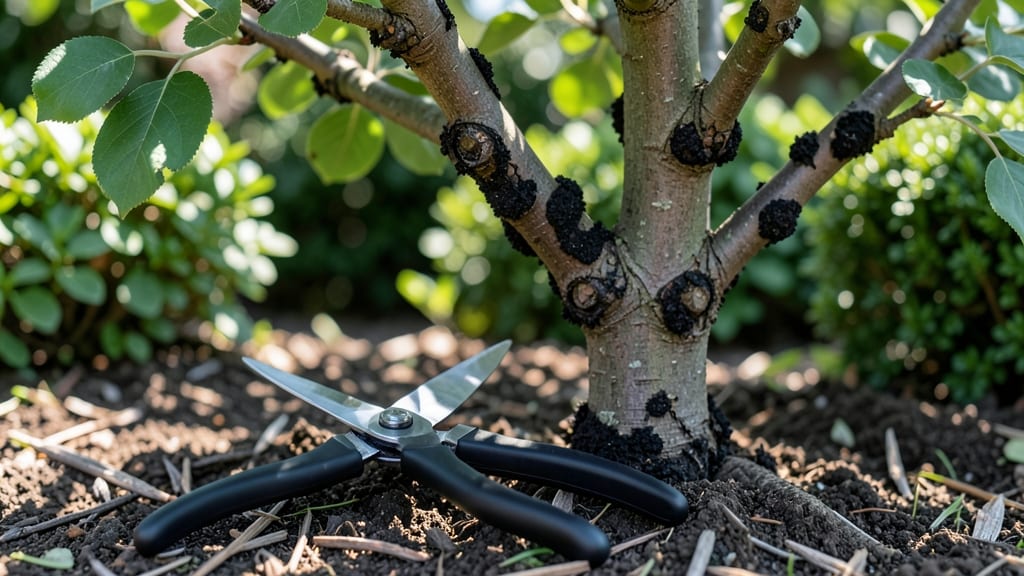
Black knot fungus on plum trees turns branches into twisted, blackened knots that choke growth—and the good news is you can prune and spray your way to recovery in just a few steps. I’ve seen this ugly fungus strangle even healthy trees, but aggressive action in early spring stops it dead.
The key is catching it before it spreads beyond the first year’s growth, when those dark, rough galls are still small and manageable.
Start by grabbing sharp pruners and rubbing alcohol—you’ll need to cut out infected branches at least 6 inches below the visible knot, then sterilize your tools between cuts. Organic gardeners swear by copper fungicide sprays in late winter, while chemical options like myclobutanil offer faster knockdown.
The goal isn’t just to clean up the damage but to break the fungus’s life cycle before next season’s buds swell.
Within 30 days of pruning, you’ll see fresh green shoots pushing from the cut areas, and with consistent sprays (every 2 weeks during wet seasons), those knots won’t return.
The tree might look scarred at first, but proper pruning actually encourages stronger growth—think of it as giving your plum tree a second chance at lush, knot-free branches.
Protect your other fruit trees by removing fallen leaves and mulch from under plum trees in fall, and consider spraying preventive copper fungicide in early spring before buds break. This isn’t just damage control—it’s a reset button for your tree’s health. Let’s get those branches back to normal.
The Hidden Triggers Behind Tree Infection
Black knot fungus (Apiosporina morbosa) doesn’t strike plum trees out of the blue—it thrives when specific conditions align. Understanding these triggers is your first line of defense. Below, we break down the key factors that turn your healthy plum tree into a fungal buffet. 🍄🌳
Black knot fungus is a water-loving pathogen. It spreads most aggressively when:
- Prolonged leaf wetness: The fungus’s spores need at least 9–12 hours of moisture to germinate. Heavy rains, morning dew, or overhead irrigation create the perfect breeding ground. 💧
- High humidity (70%+): Damp air prevents leaf surfaces from drying, allowing fungal hyphae (root-like structures) to colonize wounds or bark crevices.
- Spring and fall rains: These seasons coincide with the fungus’s peak spore release, making young trees especially vulnerable.
Actionable fix: Improve air circulation around your tree (prune dense branches) and avoid watering leaves in the evening. Drip irrigation at the base keeps foliage dry.
The fungus can’t penetrate healthy, intact bark—but it exploits any opening. Common entry points include:
- Pruning cuts: If tools aren’t sterilized or cuts aren’t made properly, spores hitchhike into fresh wounds. ⚠️
- Insect damage: Borers, aphids, or even birds pecking at fruit can create micro-wounds.
- Physical trauma: Hail, frost cracks, or even rubbing branches can strip bark, leaving the tree defenseless.
Actionable fix: Always prune during dry weather, use sharp, sterilized tools (rubbing alcohol works), and seal cuts with pruning sealant (though research shows this is debated—focus on proper technique first).
Healthy trees resist infections better. Black knot thrives when plum trees are:
- Overcrowded: Poor airflow in dense plantings traps moisture and spores.
- Nutrient-deficient: Lack of nitrogen or potassium weakens bark resilience.
- Waterlogged: Compacted or poorly drained soil stresses roots, making the tree less able to fight pathogens.
- Recently transplanted: Shocked trees have compromised defenses for months.
Actionable fix: Space new plum trees 15–20 feet apart, test soil pH (ideal: 6.0–6.5), and mulch 2–3 inches deep (but keep mulch away from the trunk).
Black knot fungus is highly contagious—spores can travel up to 1 mile via wind or rain. Infection sources include:
- Infected wild plum trees: Native or abandoned trees often harbor the fungus without showing symptoms.
- Contaminated tools or clothing: Pruners, gloves, or even boots can transfer spores to healthy trees.
- Infected nursery stock: Always inspect new trees for black, swollen knots before planting.
Actionable fix: Quarantine new trees for 30 days, sterilize tools between uses (bleach solution: 1 part bleach to 9 parts water), and remove all infected trees within a 50-foot radius if possible.
Pro Tip: 🔍 Look for early signs—tiny olive-green swellings on branches (called pycnidia) in spring are the fungus’s first move. Catching it early means faster treatment!
How to Treat and Prevent Fungal Spread
Black knot fungus may seem daunting, but with the right approach, you can save your plum tree and stop the disease in its tracks. The key is early action, proper pruning, and preventive care—here’s how to tackle it step by step.
The first line of defense? Eliminate infected branches before the fungus spreads further. - 🔍 Identify knots: Look for dark, swollen growths (black knots) on branches. They’ll feel hard and rubbery. - 🌿 Prune in late winter or early spring (before buds swell) to avoid spreading spores.
Use sterilized pruning tools (rubbing alcohol or bleach solution) to prevent cross-contamination. - 🗑️ Dispose of infected branches properly: Don’t compost them—burn or trash them to stop the fungus from reinfecting. - 🌳 Cut 6–12 inches below the knot to ensure you remove all hidden spores in the bark.
Pro Tip: If the tree is heavily infected, consider thinning out to improve airflow—fungus thrives in dense, damp foliage! ✨
Chemical treatments help prevent spores from taking hold and protect healthy branches. - 💧 Use a copper-based or sulfur fungicide (like copper hydroxide or potassium sulfate) before bud break in early spring. - 🌧️ Reapply after heavy rain (fungicides wash off easily). - 🚫 Avoid overusing chemicals: Rotate fungicides to prevent resistance.
Organic options like neem oil can help too (but may be less effective alone). - 📅 Schedule sprays: - First spray: Just before buds swell (early spring). - Second spray: After petal fall (when flowers drop). - Third spray: Late summer (if humidity is high).
Pro Tip: Morning applications work best—spores spread faster in warm, wet conditions. 🌡️
A healthy tree fights off fungus better.
Boost its resilience with these care tips: - 💧 Water at the base (avoid wetting leaves/fruit to reduce fungal spores). - 🌿 Mulch around the trunk (2–4 inches of organic mulch) to keep roots cool and moist. - 🍃 Fertilize in early spring with a balanced, slow-release fertilizer (too much nitrogen weakens disease resistance). - 🌳 Prune for airflow: Thin out crowded branches to reduce humidity in the canopy.
Pro Tip: Resistant plum varieties (like ‘Stanley’ or ‘Santa Rosa’) are less prone to black knot—consider grafting if your tree is highly susceptible. 🎯
An ounce of prevention saves pounds of heartache!
Follow these long-term strategies: - 🔄 Clean up debris (fallen leaves, twigs) in autumn—fungus overwinters here. - 🧼 Sterilize tools after each use (even between trees!). - 🌿 Monitor young trees closely—they’re most vulnerable. - 🌦️ Improve drainage if your yard stays soggy (fungus loves wet conditions).
Pro Tip: Plant disease-resistant companions near your plum tree (like garlic or marigolds) to deter fungal spores naturally. 🌿
By pruning aggressively, spraying strategically, and keeping your tree healthy, you can outsmart black knot fungus and enjoy plum trees that thrive for years. Stay vigilant, and your tree will bounce back stronger! 🚀
Frequently asked questions
How do I tell if my plum tree has black knot fungus?
Look for dark, swollen growths (black knots) on branches that feel hard and rubbery. These knots often appear in clusters and may ooze spores when wet. Early signs include tiny olive-green swellings in spring—catching these before they darken is key to stopping the spread.
Can I save my plum tree if it's heavily infected?
Yes, but act fast! Prune out all infected branches 6-12 inches below the visible knots, sterilize your tools between cuts, and apply copper fungicide. Healthy trees recover well with consistent care—focus on improving airflow and reducing moisture around the tree.
What's the best time of year to treat black knot fungus?
Late winter or early spring is ideal—before buds swell. This timing stops spores from spreading when the tree is most vulnerable. Reapply fungicide after heavy rains or in late summer if humidity is high. Morning applications work best to prevent spore spread.
Will my other fruit trees catch black knot fungus if I don't treat it?
Yes, the fungus spreads easily via wind or contaminated tools. Remove all infected branches, sterilize equipment, and avoid planting susceptible trees within 50 feet of infected ones. Quarantine new trees for 30 days and monitor nearby wild plum trees.
Are there organic ways to treat black knot fungus?
Yes! Copper fungicide (like copper hydroxide) is organic-approved, or try neem oil as a preventive spray. Improve tree health with proper pruning, mulching, and balanced fertilization. While organic methods may be less potent than chemicals, they work well when combined with good sanitation practices.