
Pests and Diseases
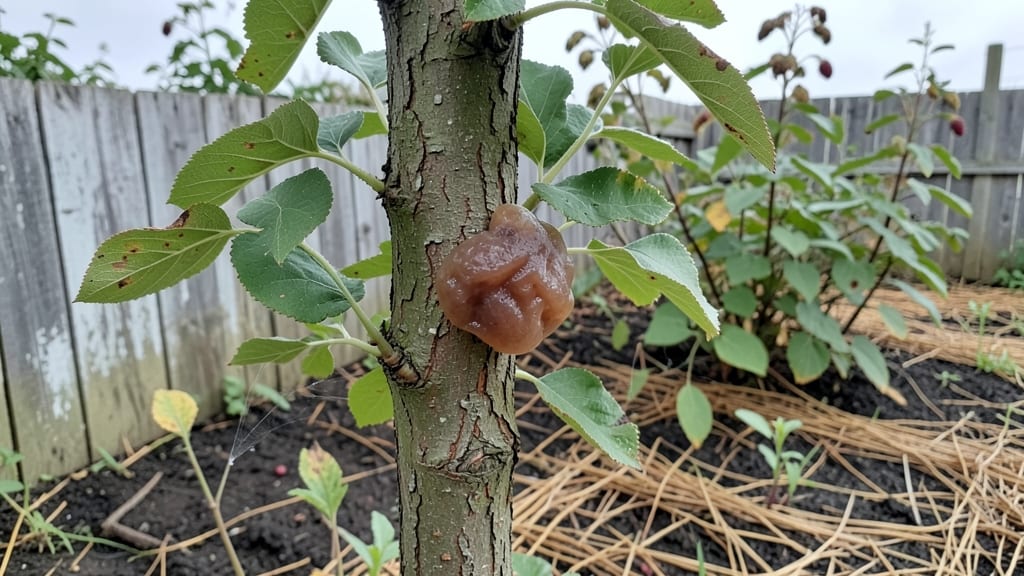
That slimy brown jelly fungus oozing from your tree bark isn’t just ugly—it’s a red flag for tree health. ✨ I’ve seen it turn a once-vibrant oak into a weakened skeleton in just two seasons, so spotting it early makes all the difference.
The good news? You can identify it by its glossy, jelly-like patches (usually 1-3 inches wide) and take action before it spreads.
This fungus thrives when trees are stressed—too much rain, poor soil, or injuries from storms create the perfect invitation. It’s common on oaks, maples, and fruit trees, but don’t panic: it rarely kills healthy trees outright.
The real danger is the rot it hides beneath those shiny blobs, which weakens the wood over time.
Removing it starts with pruning infected branches (sterilize your tools first!) and cleaning the wounds with a 10% bleach solution. For stubborn cases, organic copper fungicides can help, but severe infections might need a professional’s touch.
The key is acting fast—once the fungus moves deeper into the bark, your options shrink.
Prevention is simpler: keep trees watered but not soggy, mulch properly, and inspect bark regularly after storms. A little vigilance now saves you from pruning an entire tree later. Let’s get that fungus under control before it gets worse.
Root Causes of Fungal Growth
When you spot a glossy brown jelly fungus clinging to your tree, it’s rarely a random event—it’s a fungal party with specific invitations. Understanding the why behind its appearance helps you address the issue before it spreads.
Let’s break down the science behind these slimy invaders and why your tree might be their new favorite hangout.
Fungi thrive in moisture, and brown jelly fungi (like Tremella mesenterica or Exidia glandulosa) are no exception. These fungi need high humidity and prolonged dampness to germinate and grow. Here’s how it happens:
- Rainfall or Overwatering: Heavy rains or excessive irrigation create a perfect breeding ground for fungal spores. If your tree’s bark stays wet for days, the fungus gets the green light to grow.
- Poor Drainage: Compacted soil or clay-heavy ground traps moisture against the tree’s trunk and roots. This waterlogged environment signals the fungus to colonize.
- Morning Dew: While dew alone won’t cause the issue, combined with poor airflow (like dense foliage or nearby structures), it extends the moisture window the fungus needs.
Actionable Fix: Improve drainage by aerating soil, mulching properly (2–4 inches away from the trunk), and avoiding overhead watering. If your tree is in a shady, low-light area, prune nearby branches to boost airflow.
Healthy trees resist fungal infections, but stress weakens their defenses. Brown jelly fungi often latch onto trees that are already compromised. Common stressors include:
- Physical Damage: Cracks, wounds from pruning, or storm damage expose the tree’s inner layers. Fungal spores infiltrate these openings like vultures at a buffet.
- Root Disturbance: Construction, compacted soil, or root-bound conditions stress the tree, making it more susceptible to infections.
- Nutrient Deficiencies: Lack of nitrogen, phosphorus, or micronutrients (like potassium) weakens the tree’s immune response, leaving it vulnerable.
- Pest Infestations: Bugs like bark beetles or borers create entry points. The fungus moves in post-pest party.
Actionable Fix: Inspect your tree for wounds—seal them with pruning paint or wound dressing if necessary. Conduct a soil test and fertilize accordingly (avoid over-fertilizing, which can burn roots). If pests are present, treat them before the fungus takes hold.
Fungal spores are everywhere—they hitchhike on wind, water, and even animals. Brown jelly fungi spread when spores from an infected tree, log, or leaf litter land on a new host. Here’s how it propagates:
- Infected Debris: Leaving fallen branches or logs near your tree creates a spore reservoir. When it rains, spores splash onto the tree.
- Wildlife Spread: Birds, squirrels, or even humans can unknowingly transport spores on their feet or feathers.
- Wind Dispersal: Light spores travel miles, but localized outbreaks often start from a nearby infected source.
Actionable Fix: Remove all dead or diseased wood within 10–15 feet of your tree. Clean tools (pruners, saws) with a 10% bleach solution after use to prevent cross-contamination. If your yard has multiple trees, space them properly (at least 10 feet apart) to reduce spore transfer.
Brown jelly fungi are not fans of extreme heat or frost—they prefer cool, moist conditions between 50°F and 70°F (10°C–21°C). This is why they’re common in:
- Spring and Fall: Mild temperatures + frequent rain = fungal jackpot.
- Shady, North-Facing Trees: Less sunlight means slower drying of bark and soil.
- Urban or Dense Areas: Buildings and fences trap humidity against tree trunks.
Actionable Fix: If your tree is in a chronically damp microclimate, consider pruning to increase sunlight exposure or installing a tree guard to shield the trunk from splashing water. In extreme cases, fungicidal sprays (like copper-based treatments) can help during high-risk seasons.
How to Fix Fungal Tree Issues
Discovering a brown jelly fungus on your tree can be alarming, but the good news is that most cases can be managed with the right approach. Below, we’ve mapped out practical solutions based on the most common causes—from environmental factors to underlying tree health issues.
Follow these steps to restore your tree’s vitality and prevent future outbreaks.
If excess moisture or poor drainage is fueling the fungus, start by improving the tree’s environment. Brown jelly fungi thrive in damp, shaded conditions, so addressing these factors is key.
🔥 Improve Soil Drainage
- Test the soil: Dig a small hole near the tree’s base. If water pools after 30 minutes, drainage is poor.
- Amend the soil: Mix in organic matter like compost or coarse sand to loosen heavy clay soil.
- Mulch properly: Apply a 2–4 inch layer of mulch (wood chips or bark) around the base, but keep it away from the trunk to prevent rot.
🌡️ Enhance Air Circulation
- Prune strategically: Remove dense or crossing branches to allow sunlight and airflow to reach the canopy.
- Thin out nearby plants: Trim back overgrown shrubs or ground cover that may be blocking airflow.
- Avoid overwatering: Water deeply but infrequently, and ensure the tree isn’t sitting in standing water.
✨ Pro Tip
If your tree is in a low-lying area, consider installing a French drain or slight grading to redirect water away from the roots.
Weakened trees are more susceptible to fungal infections. If your tree is stressed due to poor nutrition, pests, or disease, take these steps to bolster its health.
💪 Fertilize Correctly
- Test soil pH: Use a home test kit to check acidity/alkalinity. Brown jelly fungi prefer acidic conditions, so aim for a neutral pH (6.0–7.0).
- Apply balanced fertilizer: Choose a slow-release, organic fertilizer with equal parts nitrogen, phosphorus, and potassium (e.g., 10-10-10).
- Avoid over-fertilizing: Too much nitrogen can promote soft, susceptible growth.
🛡️ Treat Underlying Pests or Diseases
- Inspect for pests: Look for signs of borers, aphids, or scale insects. Use horticultural oil or insecticidal soap for mild infestations.
- Remove infected branches: Prune and dispose of any branches with visible decay, cankers, or fungal growth. Sterilize pruning tools with rubbing alcohol between cuts.
- Apply fungicide (if needed): For severe cases, use a copper-based or phosphite fungicide (e.g., Copper Fungicide or Phosphite 3.0), following label instructions.
🌿 Encourage Natural Resilience
- Water deeply but less often: Promote deep root growth by watering at the base during dry spells.
- Avoid physical damage: Protect the trunk from lawnmowers, string trimmers, or animal rubs, which create entry points for pathogens.
If the brown jelly fungus is already established, physical removal and sanitation are critical to prevent spread.
🔪 Remove the Fungus Safely
- Wear gloves and a mask: Brown jelly fungi can irritate skin and lungs. Use nitrile gloves and a respirator if handling large masses.
- Scrape or cut out growths: Use a putty knife, scraper, or pruners to remove jelly-like fungal bodies from the bark. For stubborn growths, a wire brush may help.
- Dispose of debris properly: Bag the removed fungus and dispose of it in the trash (not compost)—do not leave it near the tree.
🧼 Sanitize Tools and Area
- Clean tools: Wipe pruners and scrapers with rubbing alcohol or a 10% bleach solution (1 part bleach to 9 parts water) between uses.
- Disinfect the tree: Spray the affected area with a 1% bleach solution (1 part bleach to 99 parts water) or a hydrogen peroxide spray (3%) to kill remaining spores.
🚫 Prevention for the Future
- Monitor regularly: Check your tree every few weeks for new growth, especially after rain.
- Keep the area dry: Use a rain gauge or moisture meter to track soil moisture and adjust watering as needed.
- Promote competition: Plant fast-growing, shallow-rooted species nearby to reduce humidity around the tree’s base.
Prevention is the best defense against brown jelly fungus. By combining proper care with vigilance, you can keep your tree thriving and fungus-free.
📅 Seasonal Checklist
| Season | Task |
|---|---|
| Spring | Prune dead branches, apply balanced fertilizer, and inspect for early signs of fungus. |
| Summer | Water deeply during droughts, mulch to retain moisture, and monitor for stress signs. |
| Fall | Remove fallen leaves/debris (fungal spores can overwinter), and apply a final round of fertilizer. |
| Winter | Inspect for winter damage, and plan any major pruning for early spring. |
💡 Expert Tip
If your tree is repeatedly plagued by brown jelly fungus despite your efforts, consult a certified arborist. They can assess whether the tree is beyond saving or if more aggressive treatments (like soil fumigation or replacement) are needed.
With these targeted solutions, you can tackle brown jelly fungus effectively while keeping your tree safe and healthy for years to come. 🌿💪
Frequently asked questions
Is brown jelly fungus harmful to my tree?
While it rarely kills healthy trees outright, brown jelly fungus weakens them by causing internal rot and decay. The real danger is the hidden damage beneath those shiny patches—over time, it can compromise structural integrity, making branches more prone to breakage. Act quickly to remove it and prevent spread.
How do I tell if it’s brown jelly fungus vs. sap or bird droppings?
Unlike sap (which is sticky and clear) or bird droppings (dry and crumbly), brown jelly fungus has a glossy, rubbery texture and often appears in patches 1-3 inches wide. It also doesn’t drip like sap and won’t wash away easily. Look for its characteristic jelly-like consistency when touched.
Can I use vinegar to remove brown jelly fungus?
Vinegar (especially white vinegar) can help kill fungal spores, but it’s not a standalone solution. Mix equal parts water and vinegar, spray the affected area, and scrub gently with a brush. For best results, follow up with a 1% bleach solution (1 part bleach to 99 parts water) to ensure all spores are eliminated.
Will pruning infected branches stop the fungus from spreading?
Yes, but only if done correctly! Prune at least 6 inches below the infected area to remove hidden spores. Sterilize your tools with rubbing alcohol or a 10% bleach solution between cuts, and dispose of infected branches in sealed bags—not your compost pile.
When should I call an arborist instead of treating it myself?
If the fungus covers more than 25% of the trunk, the tree shows signs of cankers or oozing sap, or it keeps returning despite your efforts, it’s time to call a pro. Large or mature trees with deep-rooted infections may need professional fungicides or even removal to prevent further damage.