
Trees
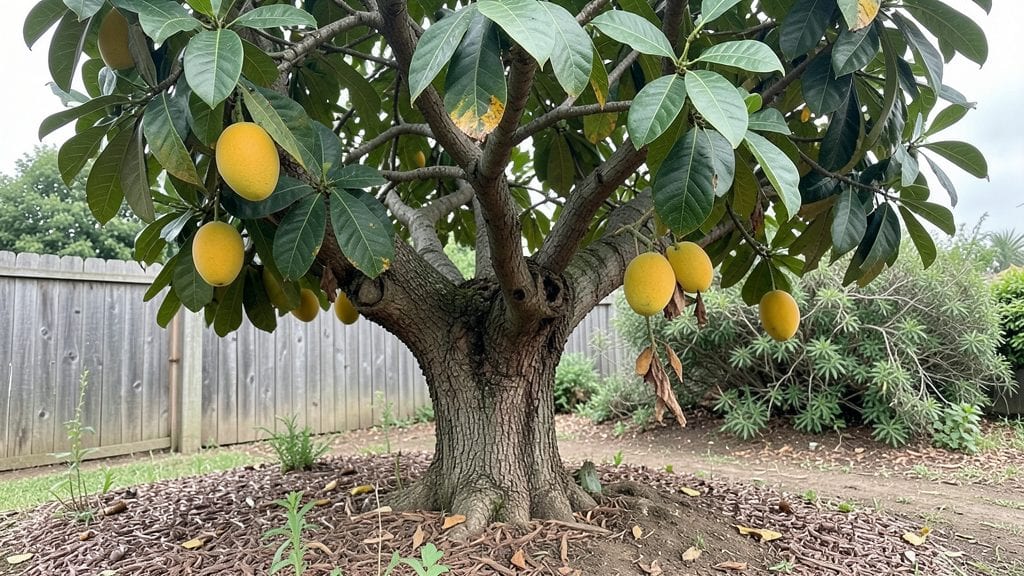
Growing large mango trees from seed takes patience, but the payoff—sweet, juicy fruit in just five years—makes it worth every effort. 🌱 I planted my first mango tree when I was 12, and though it took years to bear fruit, that first harvest changed how I thought about growing food.
The key isn’t just the seed; it’s the right climate, soil, and care that turns a sapling into a towering producer.
You’ll need a warm climate—mangoes thrive in zones 10-11 but can survive in cooler areas with protection. The soil should drain well but stay moist, and your tree will need plenty of space: mature mango trees can reach 30-50 feet tall.
Start with a young grafted tree if you want fruit faster, but growing from seed is rewarding if you’re willing to wait. Pruning young trees keeps them strong, and regular watering (but not soggy soil) sets the stage for future growth.
By year five, you could be harvesting fruit that rivals what you’d find in a grocery store—but only if you’ve given your tree consistent care.
The first flowers might not produce fruit, but each year after that, with proper pruning and fertilization, your tree will reward you with clusters of sweet, fragrant mangoes. The smell alone is worth the wait.
This isn’t a quick project, but it’s one that builds over time. Whether you’re growing in a tropical backyard or a container in a warm microclimate, the principles stay the same.
Let’s get your mango tree started on the right path—because nothing beats the taste of homegrown fruit straight from the tree.
📚 In This Guide
- What you need
- Instructions
- Tips and common mistakes
- Wrapping up and next steps
What you need
- ● Mango Tree Sapling: 1 high-quality, disease-resistant grafted sapling (e.g., Alphonso, Kent, or Keitt varieties).
- ● Age: 1-2 years old (avoid bare-root seedlings unless experienced).
- ● Soil & Amendments: 50 lbs of well-draining, slightly acidic soil (pH 5.5–7.0). Mix with:
- ● 20 lbs of compost or aged manure (for nutrients).
- ● 10 lbs of perlite or coarse sand (to improve drainage).
- ○ Optional: 1 lb of mycorrhizal fungi (boosts root growth).
- ● Planting Supplies: 1 large planting hole (3x wider and deeper than the root ball).
- ● 1 gallon of mulch (wood chips or straw).
- ● 1 slow-release fertilizer (10-10-10 or organic alternative).
- ● Watering Tools: 1 garden hose with adjustable nozzle (for deep watering).
- ● 1 watering can (for young seedlings).
- ● Support & Protection: 1 sturdy stake (4–6 ft tall) + 2–3 soft tree ties (to support young trees).
- ● 1 tree guard or wire mesh (to protect from pests like deer or rabbits).
- ● Soil moisture meter (to monitor watering needs).
- ● Pruning shears (for shaping and removing dead branches).
- ● Organic pest control (neem oil or copper spray).
- ● Drip irrigation system (for consistent moisture in hot climates).
- ● Shade cloth (to protect young trees from intense sun).
How to grow large mango trees in 5 years
Here’s the straightforward method I’ve used to grow thriving mango trees from saplings.
🌱 Step 1: Choose the Right Location and Prepare the Soil
Mango trees need a spot that gets full sun—at least 8 hours daily—and protection from strong winds. I always pick the warmest, sunniest part of the yard, like near a south-facing fence or wall. The soil should drain well but retain moisture, so if yours is heavy clay, mix in 3-4 inches of compost to loosen it up.
Dig a hole twice as wide as the root ball but only as deep. This encourages roots to spread outward instead of sitting too deep. If your climate dips below 30°F, plant near a structure to shield the tree from frost. I’ve seen young trees survive light freezes, but heavy cold will damage leaves and slow growth.
🪴 Step 2: Plant the Sapling Correctly
Gently remove the sapling from its container and loosen any tangled roots. Place it in the hole so the top of the root ball sits 1 inch above ground level—this prevents rot when water pools around the trunk. Fill the hole with soil, pressing lightly to remove air pockets, and water deeply until it drains out the bottom.
Don’t bury the graft union (the bump near the base) if you’re planting a grafted tree—it should stay above soil. Mulch around the base with 2-3 inches of organic mulch, keeping it 6 inches away from the trunk to avoid rot. Water again after mulching to settle everything in place.
☀️ Step 3: Water and Fertilize for Strong Growth
Young mango trees need 1-2 gallons of water every 2-3 days during the first year, especially in hot weather. You’ll know it’s enough when water runs out the drainage holes—no soggy soil, just consistently moist. After that, water deeply once a week, letting the top 6 inches of soil dry out between sessions.
Start fertilizing in spring with a balanced citrus/mango fertilizer (like 6-6-6 or 8-3-9). Follow the package rates—overdoing it burns roots. I fertilize again in late summer to encourage new growth before winter. Avoid fertilizing in fall or winter when the tree is dormant.
✂️ Step 4: Prune and Protect for Long-Term Health
Prune only in late winter or early spring before new growth starts. Remove any dead, diseased, or crossing branches with clean, sharp pruners. Thin out crowded branches to improve airflow—this prevents fungal issues. I also cut back any water sprouts (suckers) that grow from the base or trunk.
Watch for pests like aphids or scale insects, which love young mango trees. Spray with neem oil if you spot them early. In colder climates, wrap the trunk with burlap or frost cloth in winter to protect it from freezing temperatures. Even a light freeze can damage young bark, so don’t skip this step if you’re in a marginal zone.
⏰ Step 5: Monitor and Adjust for Faster Growth
Check the tree’s progress every 4-6 weeks. You’ll see strong growth if new leaves are dark green and glossy, and the trunk thickens noticeably each year. If growth slows, it might need more sun, water, or fertilizer. Mango trees grow fastest in warm, humid climates, so if yours is in a drier area, consider a drip irrigation system to keep roots consistently moist.
By year 5, a healthy mango tree can reach 15-20 feet tall with a sturdy trunk and branches ready for fruit. Patience is key—don’t rush it with heavy pruning or over-fertilizing. With the right care, you’ll have a tropical giant producing sweet mangoes in no time.
Tips & tricks for growing large mango trees
Growing a tropical giant like a mango tree takes patience and precision—here are the key tricks I’ve learned to ensure your tree thrives in just five years.
Sunlight Strategy: Those 8 hours of full sun are non-negotiable, but don’t just plant anywhere sunny. I’ve found the best spots get afternoon sun without harsh afternoon winds. If your yard has limited sun, consider a south-facing window for container-growing—just know it’ll grow slower.
Soil Secret: The 3-4 inches of compost I mentioned isn’t just about drainage—it’s about creating that perfect balance of moisture retention and aeration. For heavy clay soil, I mix in sand or perlite too, about 1 part to 3 parts soil. This prevents waterlogging while keeping roots happy. The key is testing your soil’s moisture level: stick your finger in—if it’s dry at 2 inches down, it’s time to water.
Frost Protection: When temperatures drop below 30°F, young mango trees become vulnerable. I’ve wrapped trunks with burlap or frost cloth and even used Christmas lights wrapped around the trunk to generate gentle heat. For extreme cold snaps, move potted trees to a garage or covered porch—just don’t let them sit in freezing air.
Watering Wisdom: Those 1-2 gallons every 2-3 days in the first year might seem like a lot, but young roots need consistent moisture. I use a soaker hose to water slowly at the base, which prevents leaf burn from overhead sprinkling. After the first year, let the top 6 inches dry out between waterings—this encourages deeper root growth. A moisture meter is worth the investment if you’re unsure!
Pro Tips for Large Mango Trees
- Growing a tropical giant like a mango tree takes patience and precision—here are the key tricks I’ve learned to ensure your tree thrives in just five years.
- Sunlight Strategy: Those 8 hours of full sun are non-negotiable, but don’t just plant anywhere sunny.
- Soil Secret: The 3-4 inches of compost I mentioned isn’t just about drainage—it’s about creating that perfect balance of moisture retention and aeration.
Frequently asked questions
Got questions about growing large mango trees?
Here are answers to common concerns—from planting to troubleshooting—so you can nurture your tropical giant with confidence!
How long does it take for a mango tree to grow large enough to bear fruit?
A mango tree typically takes 3–5 years to mature enough to produce fruit, depending on the variety and growing conditions. Dwarf varieties may fruit sooner (2–3 years), while standard trees can take up to 7 years. Patience is key—consistent care (sunlight, water, and fertilizer) speeds up the process!
What’s the best climate for growing large mango trees?
Mango trees thrive in tropical or subtropical climates (USDA Zones 10–11), with temperatures between 70–90°F (21–32°C). They need full sun (6+ hours/day) and well-draining soil. In colder regions, grow them in containers and bring them indoors during winter or plant them near heat-retaining walls.
Can I grow a large mango tree in a pot, or do I need a yard?
Yes! Mango trees adapt well to large containers (15+ gallons) if given proper care. Use a fast-draining mix (cactus soil + perlite) and repot every 2–3 years. However, potted trees may stay smaller and fruit less reliably than in-ground plants. For fruit production, a yard with deep soil is ideal.
Why isn’t my mango tree growing tall or producing fruit?
Common issues include:
- Lack of sunlight: Move to a sunnier spot or supplement with grow lights.
- Poor soil: Test pH (ideal: 5.5–7.5) and amend with compost.
- Over/under-watering: Keep soil moist but not soggy (1–2 inches deep).
- Nutrient deficiency: Fertilize with citrus/mango-specific food in spring/summer.
- Pests/disease: Check for aphids, scale, or fungal spots—treat with neem oil or fungicide.
How do I know when mangoes are ripe and ready to pick?
Ripe mangoes are soft to the touch (like a peach) and give slightly when gently squeezed near the stem. The color changes from green to yellow, orange, or red, depending on the variety. They’ll also detach easily from the tree. Pro tip: Pick them before full ripeness if you need to transport them—they’ll ripen indoors at room temperature in 2–5 days.
Wrapping up and next steps
Growing a large mango tree in just five years is an exciting and rewarding challenge—one that blends patience, care, and tropical flair! 🌱 With the right soil, sunlight, and a little extra love (like proper pruning and pest management), you can enjoy lush foliage and sweet, juicy mangoes sooner than you think.
Whether you're a seasoned gardener or a beginner, this journey is totally doable with the right steps.
Now that you’re armed with the knowledge, why not take the next step? Start by gathering your supplies, pick the perfect spot in your yard, and plant that seedling or sapling today. Your future tropical giant is waiting—let’s make it grow! 🌴✨