
Trees
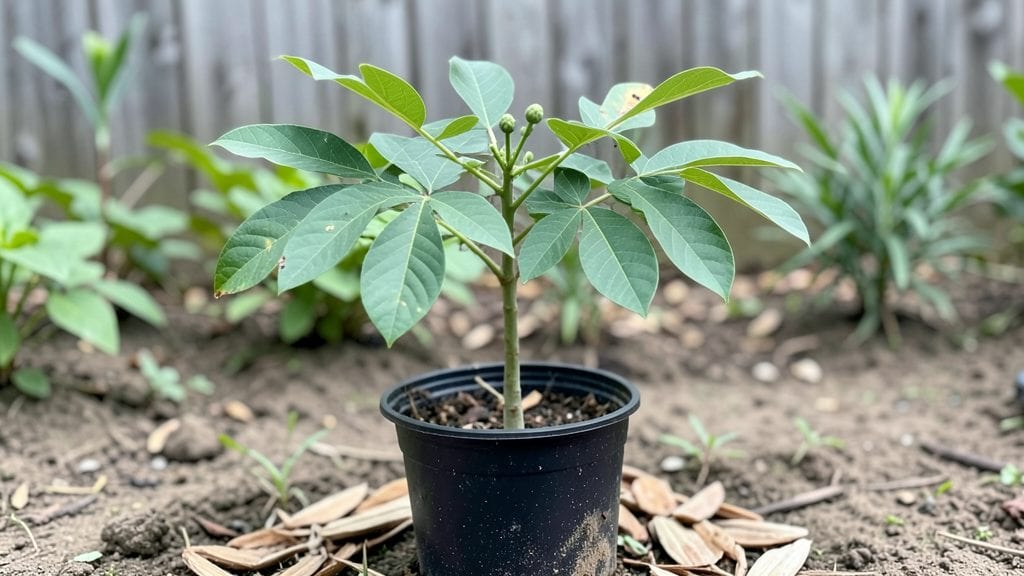
Cashew trees from a nursery grow surprisingly fast when you pick the right saplings and give them exactly what they need. 🌱 I’ve watched mine shoot up 12 inches in a single season—the secret is starting with healthy nursery stock and mimicking their tropical roots right from day one.
Most people overlook the nursery selection process, but that’s where success begins.
The best nursery saplings have smooth, dark green leaves and sturdy stems without cracks or wilting. Look for trees already in 5-gallon containers—they’re easier to transport and establish faster than bare-root stock.
If you’re in zones 10-12, you can plant them year-round; cooler climates need to wait until after the last frost when soil stays above 60°F.
Once home, keep the soil evenly moist (not soggy) and place them in full sun—they crave at least 6 hours of direct light daily. Within 4-6 weeks, you’ll see new growth signaling they’ve taken root.
The first year focuses on root development, so resist heavy pruning; let them grow wild before shaping.
Not all climates suit cashews—they’re tropical divas that wilt in frost or high deserts—but if you’ve got the heat and humidity, they repay the effort with edible nuts and lush shade. Even in containers, they thrive with the right care. Let’s get those saplings growing fast and strong.
📚 In This Guide
- What you need
- Instructions
- Tips and common mistakes
- Wrapping up and next steps
What you need
- ● Cashew seeds: Fresh, high-quality seeds (100–500, depending on nursery scale). Ensure they’re not roasted—only raw, dried cashew apples (or seeds extracted from them).
- ● Seedling trays or pots: Biodegradable peat pots (2–3 inches deep) or plastic trays with 100–200 cells. Pro tip: 💡 Use trays with drainage holes to prevent root rot!
- ● Well-draining potting mix: A blend of coconut coir (50%), perlite (20%), and compost (30%). Avoid heavy clay soil—cashews hate soggy roots!
- ● Shade cloth (30–50% coverage): 10–20 sq. ft. per 100 seedlings to protect young sprouts from direct sun.
- ● Watering can or spray bottle: With a fine mist nozzle for gentle hydration.
- ● Pruning shears: Small, sharp pair for trimming excess growth or damaged leaves.
- ● pH testing kit: To monitor soil acidity (ideal range: 5.5–6.5).
- ○ Fertilizer (optional but recommended): Starter fertilizer: 5-10-10 NPK (1 tbsp per 5 gallons of water).
- ● Organic option: Compost tea or worm castings for a gentle boost.
- ● Climate control: Warm, humid environment (70–85°F) with high humidity (70%+). Use a greenhouse or shaded outdoor space.
- ● Water source: Reliable access to clean, room-temperature water (avoid chlorinated water—let it sit for 24 hours if tap-sourced).
- ● Space: At least 1 sq. ft. per seedling for airflow. Pro tip: 🌡️ Space trays 6–12 inches apart to reduce disease risk!
- ○ Safety gear (optional): Gloves (to protect from seed sap) and a dust mask (if handling large quantities of soil).
Step-by-Step instructions for starting a cashew tree nursery
Here’s how to jumpstart your cashew nursery with proven techniques for rapid germination.
🌱 Step 1: Prepare the Germination Medium
Fill a clean, shallow tray with 2 inches of moistened perlite—this provides the ideal airy environment for cashew seeds to sprout. Avoid garden soil; its density suffocates tender roots. I like to mix the perlite with a light layer of coconut coir (about ½ inch thick) to retain just enough moisture without drowning the seeds.
Water the medium until it’s damp but not soggy—think of a wrung-out sponge. Too much moisture triggers rot, while too little slows germination. Place the tray in a warm spot (80-85°F) since cashews need heat to break dormancy. This is where most growers fail: patience is key, but warmth accelerates the process.
🌱 Step 2: Sow Seeds and Maintain Humidity
Scatter 4 cashew seeds (one per serving) across the surface, pressing them ¼ inch deep into the perlite-coir mix. Space them 2 inches apart to prevent crowding as roots develop. Cover the tray loosely with plastic wrap, securing it with rubber bands to trap humidity—cashew seeds need 90%+ relative humidity to germinate.
Check daily for condensation on the wrap. If it’s dry, mist the medium lightly with lukewarm water (never cold). Germination takes 14-21 days, but seeds may sprout unevenly. Remove the wrap the moment you see the first green tip—this prevents fungal growth. I’ve seen growers rush this step and lose entire batches to damping-off.
☀️ Step 3: Provide Light and Gradually Harden Off
Once seedlings emerge, move the tray under bright, indirect light—think 50% shade cloth or a north-facing window. Direct sun scorches delicate leaves at this stage. After 2 weeks, introduce 2-3 hours of morning sun daily, increasing exposure by 1 hour every 3 days. You’ll know they’re ready when leaves turn a deeper green and stems thicken slightly.
After 4 weeks, transplant seedlings into 4-inch pots filled with a mix of potting soil and perlite (2:1 ratio). Water lightly at the base—never soak the foliage. Place pots in a semi-shaded area for another 2 weeks before moving them to full sun. This slow transition mimics tropical conditions and prevents shock.
🪴 Step 4: Maintain Growth for Nursery-Ready Saplings
Fertilize young cashews every 4 weeks with a balanced 10-10-10 solution (½ strength) to encourage root and foliar growth. Keep soil consistently moist but well-drained—cashews hate soggy roots. By 6 months, your seedlings should be 18-24 inches tall with 4-5 sets of leaves, ready for field planting or sale.
Here’s the thing—cashew trees grow fast, but they’re sensitive. If leaves yellow or drop, you’re overwatering. If new growth stunts, they need more light. Adjust gradually, and you’ll have robust nursery stock in record time. Real talk: the first few batches might struggle, but each cycle teaches you the perfect balance.
Tips & tricks for fast cashew tree germination
Fast germination starts with the right conditions—and avoiding these common pitfalls will help you skip the trial-and-error phase. Here’s what I’ve learned after watching batches succeed (and fail) in my own nursery.
Medium Matters: The 2-inch perlite layer in Step 1 isn’t just about drainage—it’s about aeration. Perlite’s air pockets prevent anaerobic conditions that suffocate roots. For even faster results, I sift the perlite first to remove any fine particles that could compact over time. The coconut coir layer should be just damp enough to hold shape when squeezed—like a wrung-out sponge—never dripping. Too much moisture triggers rot within days, while too little delays germination by weeks.
Heat Hack: Those 80-85°F instructions aren’t arbitrary—they’re the sweet spot for breaking cashew seed dormancy. I use a seedling heat mat ($20 at garden centers) under the tray to maintain consistent warmth. If your home runs cooler, place the tray on top of your fridge (not inside) for gentle, steady heat. Pro tip: Check the bottom of the tray with your hand—if it feels warm but not hot, you’re in the right zone. Cold spots slow germination by 50% or more.
Humidity Timing: The 14-21 day germination window can shrink dramatically if you nail the humidity. After covering with plastic wrap in Step 2, I poke a tiny hole in the wrap every other day to check for condensation. If the inside fogs up, you’ve got perfect humidity. If it’s dry, mist lightly with lukewarm water—never cold, as temperature shock can kill seeds. Remove the wrap immediately when you see the first green tip to prevent fungal growth, which I’ve seen wipe out entire batches within 48 hours.
Light Transition Strategy: That 2-week gradual light introduction in Step 3 is non-negotiable. I start with a sheer curtain over the tray to diffuse sunlight, then move it to a north-facing windowsill. The key is watching leaf color: healthy cashew leaves deepen to a rich green. If they turn pale or develop brown edges, you’re either overwatering or exposing them too quickly. For faster growth, supplement with a grow light 12 inches away for 10 hours daily after the first week.
Pro Tips for Cashew Tree Nursery
- Fast germination starts with the right conditions—and avoiding these common pitfalls will help you skip the trial-and-error phase.
- Medium Matters: The 2-inch perlite layer in Step 1 isn’t just about drainage—it’s about aeration.
- Heat Hack: Those 80-85°F instructions aren’t arbitrary—they’re the sweet spot for breaking cashew seed dormancy.
Frequently asked questions
Got questions about starting your own cashew tree nursery? You’re not alone! Here are some of the most common queries—and their straightforward answers—to help you grow confidently.
How long does it take for cashew seeds to germinate?
Cashew seeds typically germinate within 2–4 weeks under ideal conditions (warmth, moisture, and indirect light). For faster results, soak seeds for 24 hours before planting and maintain soil temps between 75–85°F (24–29°C). Patience is key—some seeds may take up to 6 weeks!
What’s the best time of year to start a cashew nursery?
Plant cashew seeds during the warmest, wettest months of your region (spring to early summer in tropical climates). Avoid frost or extreme heat—cashews thrive in consistent temperatures above 60°F (15°C). If you’re in a cooler zone, use a greenhouse or indoor setup with grow lights.
Are there cheaper alternatives to buying cashew seeds?
Yes! If you have access to fresh cashew fruit, extract the seeds yourself—just remove the shell carefully and rinse to remove the toxic resin. Alternatively, check local tropical fruit markets or online seed banks for bulk discounts. Pro tip: Sterilize seeds with a 10% bleach solution for 5 minutes to prevent mold.
Why are my cashew seedlings dying or wilting?
Common culprits include overwatering (root rot), poor drainage, or pests like aphids. Ensure pots have drainage holes, water only when the top inch of soil is dry, and spray seedlings with neem oil if pests appear. Quick fix: Move seedlings to a shadier spot if they look stressed—cashews hate direct sun as seedlings!
Can I grow cashew trees from store-bought cashews?
Store-bought cashews are roasted and processed, making them unsuitable for germination. For nursery success, use fresh, unprocessed cashew seeds (from fruit) or purchase seeds labeled for planting. Bonus: If you’re near a tropical region, ask local farmers—they often share seeds for free!
Wrapping up and next steps
Starting a cashew tree nursery is an exciting step toward sustainable yields and thriving tropical agriculture! 🌱 With the right soil, seeds, and care, you can cultivate fast-germinating saplings that promise rich harvests. Remember, patience and consistency are key—your efforts will soon blossom into lush, productive trees.
Ready to take the next step? Start small, experiment with your methods, and don’t hesitate to scale up as you gain confidence! Happy growing—your future cashew grove awaits! 🌿