
How To
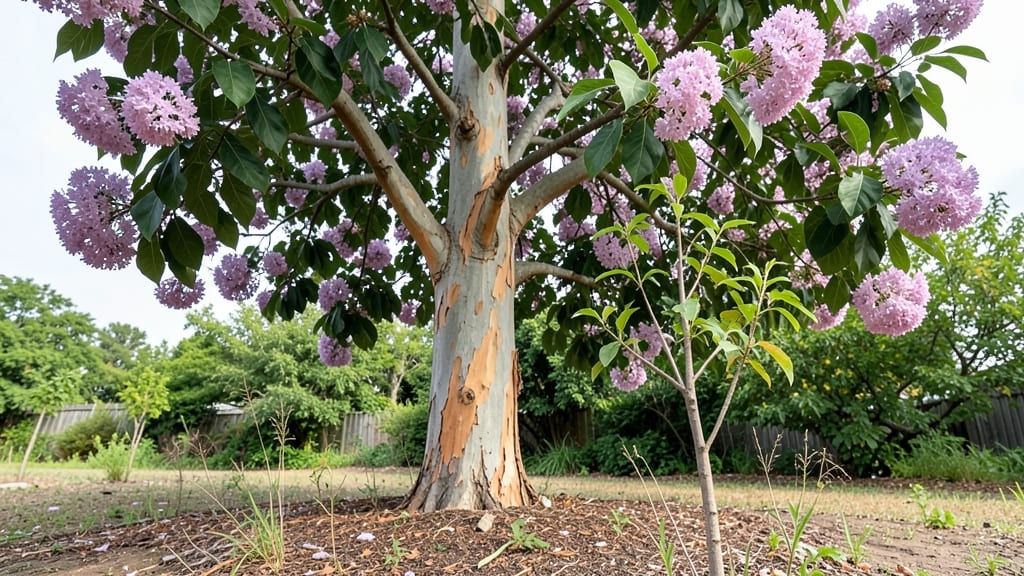
A crepe myrtle tree can grow anywhere from 6 to 30 feet tall, depending on the variety and growing conditions—making it a versatile choice for both small yards and spacious landscapes.
If you're dreaming of a stunning, low-maintenance shade tree but worried about space, crepe myrtles could be your perfect match—these beauties offer dramatic height and adaptability to almost any climate.
Dwarf varieties like 'Acoma' stay compact at 8 to 10 feet, ideal for urban gardens, while standard types like 'Natchez' soar to 30 feet, rivaling towering oaks. The right pruning and placement can transform even a modest backyard into a lush, sunlit retreat.
Here’s how to choose the perfect size for your space, plus pruning secrets to keep your 🌳 thriving without overpowering your property.


Crepe myrtle height by variety: dwarf to giant growth charts
When planning your landscape, one of the first questions I ask is: how tall can a crepe myrtle tree grow? The answer varies wildly—from compact dwarf varieties perfect for small yards to towering giants that command attention in large properties.
Choosing the right cultivar ensures your tree fits your space without overwhelming it, while also meeting your aesthetic goals.
Crepe myrtles (Lagerstroemia spp.) are renowned for their adaptability and dramatic blooms, but their mature height can differ by 25 feet or more depending on the variety. Whether you're designing a cozy backyard retreat or a grand entranceway, selecting the right height zone is critical.
Let’s explore the spectrum from miniature shrubs to tall shade providers and how to space them for optimal growth.
Pro Tip: Always check the mature height range on the nursery tag—this tells you the maximum potential with proper care, not the typical size. For example, a 10-foot 'Acoma' can stretch to 12 feet in ideal conditions, while a 30-foot 'Natchez' might top out at 35 feet in a warm climate.
| Variety | Mature Height (ft) | Spread (ft) | Ideal Spacing (ft) | Best For | |||||||||||||
|---|---|---|---|---|---|---|---|---|---|---|---|---|---|---|---|---|---|
| 'Acoma' | 8-10 | 6-8 | 8-10 | Small yards, containers, urban gardens | |||||||||||||
| 'Dynamite' | 10-12 | 8-10 | 10-12 | Foundation plantings, mixed borders | |||||||||||||
| 'Tonto' | 12-15 | 10-12 | 12-15 | Medium yards, privacy screens | |||||||||||||
| 'Natchez' | 30-40 | 20-25 | 30-40 | Large estates, shade trees, focal points | |||||||||||||
| 'Muskogee' | 20-25 | 15-20 | 20-25 | Street trees, medium landscapes | |||||||||||||
| 'Tuscarora' | 25-30 | 18-22 | 25-30 | Shade trees, large properties | |||||||||||||
| 'Catawba' | 20-25 | 15-20 | 20-25 | Street trees, urban landscapes | |||||||||||||
| 'Zuni' | 6-8 | 5-7 | 6-8 | Containers, patios, small spaces | |||||||||||||
| 'Sioux' | 25-30 | 20-25 | 25-30 | Shade providers, large gardens | |||||||||||||
| 'Pocomoke' | 15-20 | 12-15 | 15-20 | Medium yards, mixed plantings | |||||||||||||
| 'Purple Petticoat' | 10-12 | <
| USDA Zone | Height Range (ft) | Best Varieties | Pruning Strategy |
|---|---|---|---|
| 6-7 | 10-20 ft | Centennial, Hopi, Acoma | Minimal winter pruning; shape in late spring |
| 8 | 15-25 ft | Natchez, Tonto, Muskogee | Prune after flowering; remove 1/3 of oldest wood |
| 9-10 | 20-30+ ft | Natchez, Tonto, Catawba | Structural pruning in winter; remove dead branches |
In northern zones (6-7), I recommend delaying pruning until late spring to avoid encouraging new growth that could be damaged by frost. Focus on removing dead wood and shaping branches to support the tree's natural compact growth habit.
For example, 'Centennial' grows wider in cooler climates, so prune to maintain a balanced canopy rather than a tall silhouette.
Southern gardeners in zones 9-10 should embrace aggressive pruning to control height, as these trees grow 30% faster without winter dormancy. Prune right after flowering to redirect energy toward thicker branches rather than vertical growth.
For towering varieties like 'Natchez', I suggest removing 1/3 of oldest wood annually to prevent weak, top-heavy growth.
One critical mistake I see in both climates is over-pruning young trees. In zones 6-7, this can stress the tree before it's established; in zones 9-10, it may encourage suckering at the base.
Instead, limit pruning to 20-30% of the canopy annually and avoid cutting into old wood unless absolutely necessary.
For landscape planning, always account for your zone's growth rate. A 20-ft variety in zone 8 may take 5 years to reach maturity, while the same tree in zone 10 could hit that height in 3-4 years.
Plant dwarf varieties at least 6-8 ft from structures in cooler zones, but 10-12 ft away in warmer climates to accommodate faster growth.