
Trees
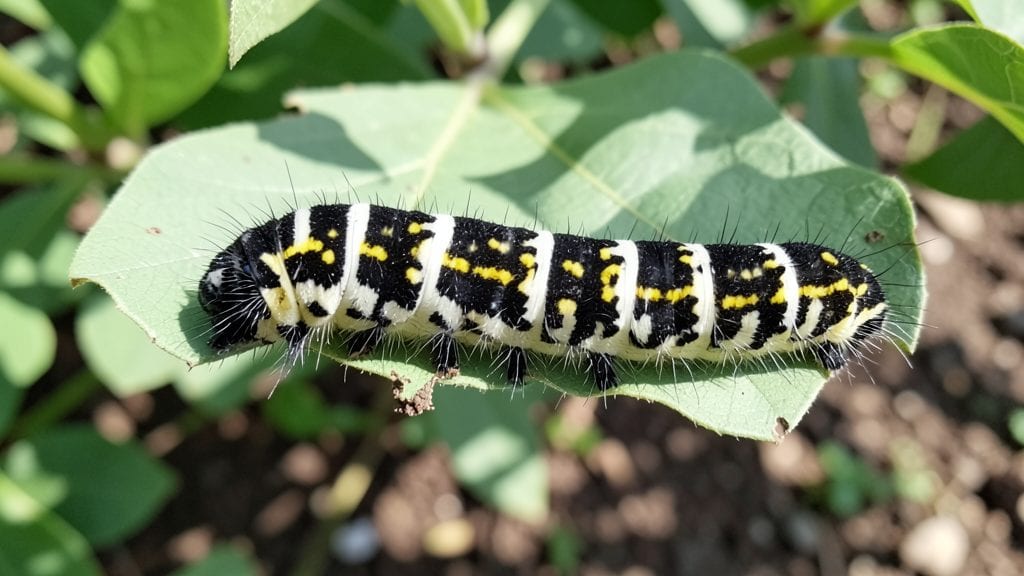
Those fat, striped catalpa tree caterpillars can strip a tree bare in weeks, and I’ve learned the hard way that ignoring them leads to a sad, skeletonized mess by summer. 🌿 The good news? You don’t need harsh chemicals to win this battle—just the right tools and timing.
Every year, my catalpa’s leaves would turn into lace before my eyes, until I discovered these targeted, eco-friendly fixes that actually work.
The key is acting fast when you spot those telltale egg masses (they look like tiny gray blobs on the undersides of leaves) or the caterpillars themselves.
Manual removal is surprisingly effective—just drop them into soapy water—but for heavier infestations, Bacillus thuringiensis (a natural bacteria) stops them dead in their tracks without harming birds or bees. I’ve also found that pruning out heavily damaged branches early keeps the tree healthier overall.
By combining these methods with a little bird-friendly habitat (they love snacking on caterpillars), you’ll reclaim your tree’s lush green canopy in no time. The secret isn’t brute force—it’s outsmarting the pests before they get started. Let’s get your catalpa back to its full, thriving glory.
Works for both young trees and mature specimens, and the techniques scale whether you’ve got one caterpillar or a full-blown invasion. The goal is a tree that stays strong, not one that puts up with constant defoliation.
Natural Attractions Inviting Trouble
Catalpa tree caterpillars—those fuzzy, striped pests—don’t just appear out of nowhere. Their presence is often a direct result of your tree’s allure to their hungry parents and their own survival instincts.
Understanding these triggers can help you disrupt the cycle before the infestation takes hold. Here’s why your catalpa tree might be a caterpillar buffet:
The catalpa tree (Catalpa bignonioides) is a top-tier caterpillar buffet because of its nutrient-rich leaves. These trees produce broad, tender foliage packed with proteins, sugars, and secondary compounds that caterpillars—especially the catalpa sphinx moth caterpillar—find irresistible. Here’s the science:
- High nitrogen content: Catalpa leaves are protein goldmines for caterpillars, fueling rapid growth. A study in the Journal of Economic Entomology found that trees with higher nitrogen levels attract more defoliating pests, including sphinx moth larvae.
- Soft, easy-to-digest leaves: Unlike tough oak or maple leaves, catalpa foliage is low in fiber and high in water content, making it a low-effort meal for hungry caterpillars.
- Secondary compounds as a false signal: Some catalpa trees produce alkaloids (natural chemicals) that deter other insects but attract sphinx moths, which have evolved to tolerate—or even thrive on—them.
Actionable tip: If your tree is a repeat victim, consider pruning in late winter to remove egg-laden branches before hatching season (typically May–June). This reduces the food source before the caterpillars arrive.
The catalpa sphinx moth (Ceratomia catalpae) is a strategic parent. Females don’t randomly drop eggs—they scout for the healthiest, most vulnerable trees to ensure their larvae have the best chance of survival. Here’s how they choose:
| Factor | Why It Matters | How to Disrupt It |
|---|---|---|
| 🌱 Young, fast-growing trees | Moths prefer trees with new, tender growth—their leaves are easier to consume and packed with nutrients. | 💡 Prune aggressively in early spring to remove weak, new shoots that moths target for egg-laying. |
| ☀️ Sun-exposed bark | Moths lay eggs on rough, sun-warmed bark (especially on the south or west sides of the trunk), where eggs stay warmer and hatch faster. | 🎯 Apply tree wrap or white latex paint to trunks in late winter to reflect sunlight and deter egg-laying. |
| 🍃 Stressed or drought-prone trees | Trees under water stress produce more sugars in their leaves, making them sweeter—and more attractive—to egg-laying moths. | 💧 Deep-water trees in drought-prone seasons (early summer) to reduce their appeal. |
Pro tip: Inspect your tree’s lower branches and trunk in April–May for tiny, oval, yellowish eggs (about the size of a pinhead). Scrape them off with a plastic putty knife and drop them into soapy water to prevent hatching.
Caterpillar outbreaks aren’t random—they’re tied to temperature, rainfall, and seasonal cues. The catalpa sphinx moth’s life cycle is highly synchronized with your tree’s growth patterns:
- Warm springs accelerate hatching: If your area experiences an early, warm spring (e.g., 60°F+ in March), moths emerge 2–4 weeks earlier, leading to larger first-generation caterpillars by June.
- Dry summers prolong feeding: Without rain, catalpa trees don’t flush new growth quickly, forcing caterpillars to stay longer and cause more damage.
- Second-generation outbreaks: In southern climates, moths may produce a second brood in late summer, leading to two waves of caterpillars per year.
🌡️ Climate hack: Use a degree-day calculator (tracked by local extension offices) to predict hatching times. For example, catalpa sphinx moths typically need 300–500 growing degree days (above 50°F) to hatch. Plan manual removals or treatments for 3–4 weeks after this threshold is met.
By targeting these three root causes—tree appeal, egg-laying behavior, and climate triggers—you can break the caterpillar cycle before they turn your catalpa into a skeleton. Next, we’ll cover early detection signs so you can act before the damage spreads.
Practical ways to manage caterpillar infestations
If your catalpa tree is under siege by hungry caterpillars, don’t panic—there are effective, eco-friendly ways to reclaim your tree’s health. Below are targeted solutions based on the root cause of the problem, from quick fixes to long-term prevention.
Each method is designed to be simple, safe, and effective, whether you’re dealing with a small outbreak or a full-blown invasion.
Best for: Early-stage infestations or small clusters of caterpillars.
If you catch the problem early, manual removal is the most straightforward and chemical-free solution. Catalpa caterpillars (also called "woolly bear" caterpillars) are slow-moving and easy to spot with their black-and-yellow stripes. Here’s how to do it:
- 🔍 Scout the tree – Inspect leaves, branches, and the bark for caterpillars, especially in the late afternoon when they’re most active.
- 🧤 Wear gloves – Some gardeners report mild skin irritation from the caterpillar’s fuzzy hairs (setae), so protect your hands.
- 🐛 Pick them off – Gently grasp the caterpillar near its head (avoid crushing it—hairs can irritate your skin or pets) and drop it into a bucket of soapy water.
- 🌊 Dispose properly – Never toss them back onto the ground; they’ll just return to the tree.
A sealed bag or soapy water ensures they’re gone for good.
Pro Tip: 💡 Do this in the early morning or evening when caterpillars are less active and easier to spot.
Best for: Long-term control and ecosystem balance.
Encouraging natural predators is a sustainable way to keep caterpillar populations in check without chemicals. Many birds, insects, and even mammals feed on catalpa caterpillars:
- 🐦 Birds: Attract robins, starlings, and blue jays by installing birdhouses or leaving out mealworms. - 🐞 Parasitic Wasps: Tiny Apanteles wasps lay eggs inside caterpillars, eventually killing them.
These wasps are harmless to humans and other wildlife. - 🦋 Praying Mantises & Lizards: These predators will hunt caterpillars on sight. Planting native flowers can attract them to your garden.
Pro Tip: 🌡️ If you spot white cocoons on caterpillars, it’s a sign that parasitic wasps are already at work—let nature handle it!
Best for: Moderate infestations when manual removal isn’t enough.
If the caterpillar population is growing, organic sprays can disrupt their feeding and growth cycles. Here are the most effective options:
| Spray Type | How to Use | Best Time to Apply |
|---|---|---|
| Neem Oil | Mix 1–2 tbsp neem oil + 1 tsp mild soap in 1 quart of water. Spray directly on caterpillars and leaves. | Evening (avoids harming bees) |
| Bt (Bacillus thuringiensis) | Sprinkle or spray Bt powder/dust on leaves where caterpillars feed. | Late afternoon (when caterpillars are active) |
| Spinosad | Dilute according to package instructions and spray thoroughly on foliage. | Early morning or dusk |
⚠️ Safety Note: Always wear gloves and a mask when applying sprays, especially Bt or spinosad, to avoid inhalation.
Pro Tip: ✨ Reapply every 5–7 days or after rain, as these sprays break down quickly.
Best for: Preventing future infestations and reducing caterpillar habitats.
Caterpillars thrive in dense foliage, so pruning can make your tree less appealing:
- 🌿 Thin out branches – Remove any dead, diseased, or overly crowded branches to improve airflow and sunlight.
- 🗑️ Remove fallen leaves/debris – Caterpillars pupate in leaf litter, so clear the base of the tree regularly.
- 🪓 Cut back heavily infested branches – If a section is severely damaged, prune it out and dispose of it in sealed bags (not compost).
Pro Tip: 🎯 Prune in late winter or early spring before caterpillars become active.
Best for: Young trees or high-value specimens.
For small trees or saplings, physical barriers can block caterpillars from reaching the leaves:
- 🧶 Fine Mesh Netting – Wrap a lightweight, breathable mesh (like tulle or horticultural netting) around the tree trunk and secure it tightly. This prevents caterpillars from climbing up.
- 🪵 Tree Collars – Use aluminum foil or cardboard collars around the trunk to deter caterpillars from ascending.
Pro Tip: 🔥 Check barriers weekly and remove any caterpillars caught inside.
Once you’ve dealt with the current infestation, take these steps to keep catalpa caterpillars away:
- 🌱 Plant companion plants like marigolds, basil, or garlic near your catalpa—their strong scents repel caterpillars.
- 💧 Water deeply but less frequently – Overwatered trees attract more pests.
- 🌿 Monitor regularly – Check your tree weekly during peak caterpillar season (late spring to summer).
- 🌿 Encourage biodiversity – A healthy garden with birds, bees, and beneficial insects will naturally keep pest populations in balance.
By combining these methods, you can protect your catalpa tree without harming the environment or your family. Start with manual removal for small issues, then layer in organic sprays and predator support for larger problems. With consistency, your tree will bounce back stronger!
Frequently asked questions
What do catalpa tree caterpillars look like?
These caterpillars are easily recognizable with their black-and-yellow striped bodies and fuzzy appearance. They grow up to 3 inches long and often have a distinctive white stripe along their sides. Young larvae appear more orange or brown before developing their signature colors.
Are catalpa caterpillars harmful to humans or pets?
While they don't bite humans, their tiny hairs can cause mild skin irritation or allergic reactions in sensitive individuals. For pets, the hairs can irritate their mouths or paws if ingested. Always wear gloves when handling them and keep pets away from infested areas.
How quickly can they defoliate a catalpa tree?
These caterpillars are voracious eaters! A single caterpillar can consume an entire leaf in 24 hours, and a large infestation can strip a tree bare in just 1-2 weeks. Acting within 48 hours of first sighting gives your tree the best chance of recovery.
Can I use chemical pesticides on my catalpa?
While chemical pesticides like malathion can kill caterpillars, they also harm beneficial insects and may leave residues. For safer options, try Bacillus thuringiensis (Bt) first—it targets only caterpillars and breaks down quickly. Always check local regulations before using any pesticide.
Will my catalpa tree recover after an infestation?
Yes! Catalpa trees are surprisingly resilient. If you remove the caterpillars early, new leaves will regrow within 2-3 weeks. For severe defoliation, water deeply and fertilize lightly to help recovery. The tree may look bare for a season but will bounce back stronger with proper care.