
Diseases
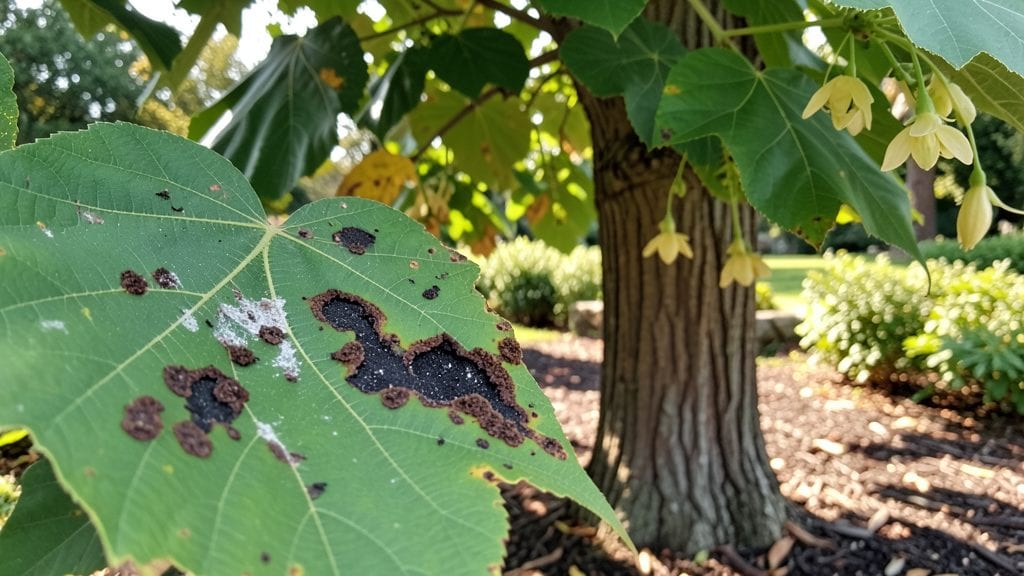
Catalpa tree diseases can turn your shade tree into a sad, leaf-sparse skeleton before you know it. I’ve watched my own catalpa go from lush and leafy to struggling in just a few seasons—until I learned the early warning signs and how to fight back.
The key is catching problems before they spread, whether it’s fungal spots, wilting leaves, or those telltale holes in the foliage.
Most issues start with environmental stress—too much moisture, poor drainage, or compacted soil—that weakens the tree and invites pests and fungi. My catalpa’s first red flags were yellowing leaves and black spots that looked like someone had splattered it with ink.
Once you recognize these signs, you can act fast with pruning, fungicides, or even a simple soil check to improve drainage.
With the right approach, you can restore your catalpa’s health and keep it thriving for decades. We’ll cover the most common diseases, how to treat them organically and chemically, and—most importantly—how to prevent them from coming back. Think of this as your tree’s first line of defense.
If your catalpa’s decline feels overwhelming, don’t panic. Many problems are fixable, and knowing what to look for makes all the difference. Let’s get your tree back to its full, leafy glory before another season passes.
Root Causes of Tree Stress
Catalpa trees, with their striking heart-shaped leaves and fragrant summer blooms, can fall victim to diseases when underlying conditions create the perfect storm for pathogens. Understanding why these issues arise helps you take proactive steps to protect your tree.
Let’s break down the key factors that make catalpas susceptible to disease.
Fungi thrive in damp, stagnant environments—making overwatering or poor drainage a major red flag for catalpa trees. Here’s why:
- Excessive moisture softens bark and leaf tissue, creating entry points for fungal spores like Valsa ceratosperma (canker disease) or Septoria catalpae (leaf spot). Think of it like a soggy sponge: the more waterlogged, the easier it is for pathogens to take hold.
- Poor air circulation in dense plantings or shaded areas traps humidity against leaves and bark. Fungal spores, which spread via wind or splashing water, latch onto surfaces more easily when airflow is restricted.
- Root rot risk: Waterlogged soil cuts off oxygen to roots, weakening the tree’s defenses. Phytophthora and Pythium fungi exploit this, leading to systemic decline.
Actionable fix: Ensure your catalpa has well-draining soil (amend with compost or sand if needed) and space it 15–20 feet apart from other trees. Prune to improve airflow, especially in the lower canopy.
Some catalpa diseases don’t act alone—they hitch a ride on insects. For example:
- Catalpa sphinx moth caterpillars (those striped green larvae) chew leaves, creating wounds that invite bacterial or fungal infections. Their frass (poop) also harbors spores.
- Scale insects and aphids excrete honeydew, a sugary film that promotes sooty mold—a black fungal growth that smothers leaves and blocks sunlight.
- Borers (like the catalpa borer) tunnel into bark, leaving trails for Botryosphaeria (a common canker-causing fungus) to invade deeper tissues.
Actionable fix: Monitor for pests in spring/summer. Use neem oil or insecticidal soap for soft-bodied insects, and apply beneficial nematodes for borers. Remove heavily infested branches promptly.
Catalpas are resilient, but extreme stress from heatwaves, drought, or poor nutrition weakens their immune response. Here’s the science:
| Stressor | How It Weakens the Tree | Disease Risk |
|---|---|---|
| 🔥 Drought | Closed stomata (leaf pores) reduce photosynthesis, starving roots of energy. Cells become dehydrated and brittle. | Increased susceptibility to Verticillium wilt (a soil-borne fungus that clogs water vessels). |
| ☀️ Heat Stress | High temperatures denature enzymes in leaves, leading to sunburn (brown patches) and weakened cell walls. | Opens doors for Alternaria leaf spot, which thrives in heat-damaged tissue. |
| 🌱 Nutrient Deficiency | Low nitrogen or magnesium (common in alkaline soils) stunts growth, making leaves thin and prone to tearing. | Weakened leaves can’t fend off Septoria or Anthracnose spores as effectively. |
Actionable fix:
- Water deeply 1–2 times per week during droughts (check soil 3 inches down—it should be moist but not soggy).
- Mulch with 3–4 inches of organic matter (wood chips, compost) to retain moisture and regulate soil temp.
- Test soil pH and amend with sulfur (for alkaline soils) or lime (for acidic soils) to optimize nutrient uptake.
Every cut you make on a catalpa is a potential open door for pathogens. Here’s how bad pruning habits backfire:
- Ragged cuts leave jagged edges that don’t seal properly, creating perfect entry points for Nectria or Cylindrocladium fungi.
- Pruning during wet weather delays wound healing, leaving fresh cuts vulnerable for weeks.
- Removing too much foliage at once reduces the tree’s energy reserves, making it harder to fight off infections.
Actionable fix: Follow the 3-cut method for clean wounds, and prune in late winter/early spring (dormant season). Avoid topping the tree—it stresses the trunk and invites cankers.
Pro tip: 💡 Healthy catalpas start with prevention. Regularly inspect your tree for early signs of stress (yellowing leaves, wilting branches) and address issues before they escalate. A little vigilance goes a long way in keeping your catalpa thriving!
Fixing Common Catalpa Tree Ailments
Now that you’ve identified the issue plaguing your catalpa tree, it’s time to roll up your sleeves and take action! The good news? Most catalpa tree diseases and pests can be managed—or even prevented—with the right approach.
Below, we’ve broken down practical, step-by-step solutions tailored to each cause, plus pro tips to keep your tree thriving long-term.
**🔥 Remove infected branches immediately 🔪 Start by pruning away any branches showing signs of cankers (sunken, oozing, or dead areas). Use sterilized pruners (wipe with rubbing alcohol or bleach solution) to avoid spreading the pathogen.
Cut 6–12 inches below the canker into healthy tissue to ensure the disease doesn’t linger.
👨🍳 Apply fungicide for prevention 🛡️ Once pruning is done, treat the tree with a copper-based fungicide (like Bordeaux mixture or copper sulfate) during early spring before new growth appears. For severe cases, repeat every 4–6 weeks until the tree shows improvement.
💡 Pro Tip:
- Avoid wounding the bark during pruning—rough cuts invite more infections.
- Improve air circulation by thinning dense foliage around the tree.
🍳 Clean up fallen leaves 🧹 Remove all infected leaves from the ground and dispose of them in the trash (not compost)—this breaks the fungus’s life cycle. Rake thoroughly, even under the tree’s drip line.
🌡️ Water at the right time 💦 Fungal spores thrive in wet conditions. Water the base of the tree in the early morning (avoid overhead sprinkling) and ensure the soil drains well. If your tree is in a low-lying area, consider raising the soil level slightly with compost.
✨ Fungicide spray for severe cases 🛡️ If defoliation is heavy, spray with a fungicide containing chlorothalonil or propiconazole (follow label instructions). Reapply every 2–3 weeks during rainy seasons.
💡 Pro Tip:
- Mulch properly—keep mulch 3–4 inches deep but 6 inches away from the trunk to prevent moisture buildup.
🔪 Handpick or hose them off 🚰 For small infestations, wear gloves and pluck caterpillars off leaves, then drown them in soapy water. A strong water spray from the hose can also dislodge them—do this in the early morning when they’re sluggish.
🛡️ Use organic or chemical controls 🌿
- Bt (Bacillus thuringiensis): A natural bacteria that kills caterpillars without harming other insects. Spray every 7–10 days during outbreaks.
- Neem oil or horticultural oil: Disrupts their feeding and growth. Apply in the evening to avoid harming bees.
- Pyrethrin-based sprays: For severe cases, but use only as a last resort (follow safety guidelines).
💡 *Pro Tip:**
- Install yellow sticky traps near the tree to monitor and reduce adult moth populations.
🌱 Unfortunately, there’s no cure—but you can manage it. Since these diseases clog the tree’s vascular system, the best approach is prevention and containment:
- Remove and destroy infected trees (do not compost them).
- Avoid planting catalpas in the same spot—these fungi persist in the soil for years.
- Improve soil health with mycorrhizal fungi (available at garden centers) to boost the tree’s natural defenses.
💡 *Pro Tip:**
- Choose resistant varieties if replanting—some catalpa hybrids show better tolerance.
📊 Test the soil first 🧪 Use a home soil test kit or send a sample to a local extension office. Catalpas often need:
- Iron (for yellowing leaves)
- Magnesium (for yellowing between veins)
- Nitrogen (for slow growth)
💪 Fertilize correctly 🌱
- Spring feeding: Use a balanced fertilizer (10-10-10) or one high in nitrogen.
- Micronutrients: Apply chelated iron or Epsom salt (magnesium sulfate) if deficiencies are spotted.
- Avoid over-fertilizing—too much can burn roots and stress the tree.
💡 *Pro Tip:**
- Mulch with compost (2–3 inches) to slowly release nutrients and retain moisture.
Want to keep your catalpa tree disease-free? Follow this year-round care plan:
| Season | Task | Why It Helps |
|---|---|---|
| Early Spring | Prune dead/diseased branches | Removes overwintering pathogens |
| Spring | Apply fungicide (preventative) | Stops fungal spores from taking hold |
| Summer | Monitor for pests & water deeply | Prevents stress-related diseases |
| Fall | Rake up fallen leaves | Reduces anthracnose and canker risks |
| Winter | Check for bark damage | Early detection of cankers or borers |
Final Thought: 🌟 Most catalpa tree issues are manageable with early action—don’t wait until the problem spreads! Prune, monitor, and maintain soil health, and your tree will reward you with vibrant blooms and lush foliage** for years. 🌿✨
Frequently asked questions
What are the most common signs my catalpa tree might be diseased?
Watch for dark spots on leaves (like tar-like splotches), yellowing or wilting foliage, and cankers on bark (sunken, oozing areas). Early leaf drop or holes chewed by caterpillars also signal trouble—these often invite secondary infections.
Can I save my catalpa if it’s already heavily infected?
Yes, but act fast! Prune all diseased branches (6–12" below visible damage), apply copper fungicide, and improve airflow. For vascular diseases (like verticillium wilt), removal may be necessary—these have no cure but can spread to other plants.
How often should I check my catalpa for diseases?
Inspect your tree monthly during growing seasons (spring–fall) and weekly after rain. Focus on new growth, bark, and leaf undersides—fungi and pests often start there. A quick 5-minute scan can catch problems before they escalate.
Are there organic ways to treat catalpa diseases?
Try neem oil (for fungal spots and pests), baking soda spray (1 tsp baking soda + 1 quart water + drop of soap), or compost tea to boost soil health. For severe cases, beneficial nematodes help control borers and soil-borne pathogens.
When should I call an arborist instead of treating myself?
Consult a pro if you see large cankers oozing sap, sudden wilting without leaf loss, or borer exit holes. These may indicate advanced diseases (like Botryosphaeria canker) or structural damage requiring professional tools or removal.