
Pests
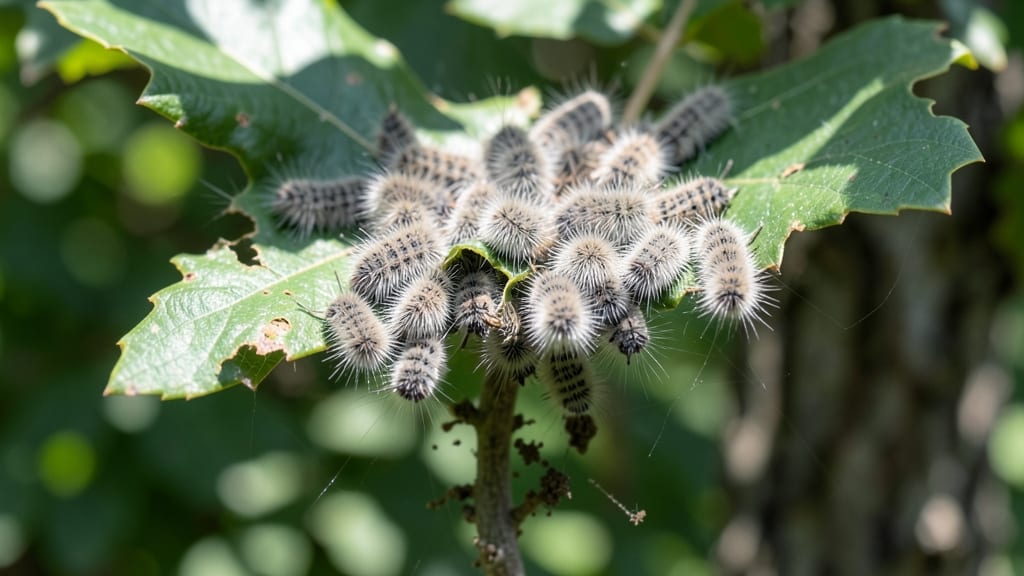
The devastating sight of caterpillars killing trees can strip a once-vibrant oak of its leaves in weeks—I’ve seen it destroy my 50-year-old oak, and the harm goes far beyond the branches. These leaf-eaters strip bark, weaken roots, and leave trees vulnerable to disease, but the good news?
You don’t need harsh chemicals to fight back. The right organic approach stops the destruction while keeping your yard safe for kids and pets.
Most culprits—gypsy moth caterpillars, tent caterpillars, or bagworms—follow the same pattern: they hatch in spring, munch relentlessly, and pupate by summer. The key is acting fast when you spot silken webs, chewed leaves, or frass (caterpillar poop) on branches—these are your warning signs.
Healthy trees fight off pests better, so start with a deep watering and a layer of mulch to keep roots strong, but that’s just the first step.
Within 72 hours of spotting damage, you can disrupt their lifecycle with three organic tactics: introduce parasitic wasps (their natural predator), apply neem oil or Bacillus thuringiensis (Bt), or handpick caterpillars during their most vulnerable stages.
My oak recovered fully after just two treatments last summer, and the wasps did most of the work. The secret? Timing and consistency—don’t wait until the trees look like lace.
This method works for maples, oaks, fruit trees, and even young shade trees, but the exact approach varies by caterpillar species. For example, tent caterpillars build nests you can prune out, while gypsy moths hide in leaf litter—so we’ll tackle each one separately.
Let’s get your trees back to thriving before next season’s hatch.
The Hidden Triggers Behind Tree Devastation
When caterpillars turn your trees into a buffet, it’s rarely a random act of destruction—there’s usually a specific reason driving their appetite. Understanding these triggers helps you predict outbreaks and act before your trees suffer irreversible damage. Here’s why these leaf-eaters strike with such precision:
Healthy trees can handle a few hungry caterpillars, but when trees are stressed or overcrowded, their defenses weaken, making them prime targets. Here’s how it plays out:
- Competition for Resources: Trees growing too close compete for sunlight, water, and nutrients. Weakened foliage becomes an easy snack for caterpillars, which detect stressed plants through chemical signals (like volatile organic compounds, or VOCs).
- Poor Airflow: Dense canopies trap moisture, creating a humid microclimate that accelerates fungal growth—a secondary stressor. Fungal infections further weaken the tree, making it more vulnerable to caterpillar attacks.
- Root Competition: Overcrowded roots struggle to absorb water and nutrients, leading to stunted growth. Caterpillars, like the gypsy moth or tent caterpillar, are drawn to trees that can’t mount a strong defensive response.
Actionable Fix: Thin out overcrowded trees by removing 20–30% of competing branches to improve airflow and sunlight exposure. Focus on young, fast-growing trees first—they’re the most susceptible.
Caterpillars thrive when the environment aligns with their life cycle. Climate factors like temperature, rainfall, and seasonal changes can turn a minor infestation into a full-blown crisis:
| Climate Factor | How It Helps Caterpillars | Example Pests |
|---|---|---|
| Warm Winters | Mild winters reduce mortality rates for caterpillar eggs and pupae. Many species, like the fall webworm, survive to hatch earlier in spring. | Gypsy moths, tent caterpillars |
| High Rainfall | Excess moisture softens leaves, making them easier to consume. It also washes away natural predators (like birds) and dilutes defensive plant chemicals. | Eastern tent caterpillars |
| Drought Stress | Drought weakens trees, making their sap more nutritious to caterpillars. Some species, like the luna moth caterpillar, prefer stressed oak or walnut trees. | Luna moths, forest tent caterpillars |
Pro Tip: 🌡️ Monitor local weather patterns. If your area experiences unusually warm winters or prolonged drought, expect caterpillar activity to spike 2–4 weeks earlier than usual. Set up traps or pheromone lures in late winter to catch adults before they lay eggs.
Caterpillars aren’t the only ones eating in your yard—they’re also on the menu for birds, parasitic wasps, and beneficial insects. When these natural predators decline, caterpillar populations explode. Here’s why:
- Pesticide Overuse: Broad-spectrum pesticides (like neonicotinoids) kill both pests and their predators. For example, spraying for Japanese beetles might wipe out praying mantises, which then fail to control caterpillar outbreaks.
- Habitat Loss: Urbanization and monoculture landscaping (e.g., lawns with no native plants) remove nesting sites for birds and insect predators. Without perches or shelter, predators can’t hunt efficiently.
- Invasive Species: Non-native trees (like Bradford pear) often lack co-evolved predators, making them caterpillar magnets. Meanwhile, invasive pests (like the spotted lanternfly) outcompete native predators.
Actionable Fix: Restore predator habitats by:
- Planting native shrubs (e.g., serviceberry, elderberry) for bird nesting.
- Avoiding harsh chemical sprays—opt for targeted solutions like Bt (Bacillus thuringiensis).
- Installing birdhouses or bat boxes to attract natural pest controllers.
A tree’s nutritional status directly impacts its ability to fend off caterpillars. When trees lack key nutrients, their leaves become softer, thinner, and more palatable—like a fast-food meal for leaf-eaters. Common deficiencies include:
| Nutrient Deficiency | Visual Clues | Attracts These Caterpillars |
|---|---|---|
| Nitrogen (N) | Yellowing leaves (chlorosis), stunted growth | Gypsy moths, fall webworms |
| Potassium (K) | Brown leaf edges, weak stems | Tent caterpillars, cankerworms |
| Magnesium (Mg) | Interveinal yellowing (between leaf veins) | Luna moth caterpillars, walnut caterpillars |
💡 Quick Test: Scratch a leaf—if it’s thin and papery, it’s nutrient-poor. Conduct a soil test to identify gaps, then amend with compost or organic fertilizers (like alfalfa meal for nitrogen or greensand for potassium).
Not all trees are created equal—some species are genetically predisposed to caterpillar attacks due to their evolutionary history. Here’s why:
- Co-Evolved Pests: Trees like oak and birch have long shared ecosystems with caterpillars. Some species, like the gypsy moth, have specialized enzymes to break down oak tannins, making them nearly impossible to deter without intervention.
- Invasive Tree Weaknesses: Non-native trees (e.g., London plane, horse chestnut) often lack the chemical defenses developed by native species. Caterpillars like the box tree moth thrive on these trees because they’ve no natural predators to keep them in check.
- Clonal Vulnerabilities: Many ornamental trees (like Bradford pear
Quick Fixes for Leaf-Eater Havoc
Now that you know why caterpillars are feasting on your trees, it’s time to take action—without resorting to harsh chemicals. Below are targeted, organic solutions mapped to the most common causes of caterpillar infestations.
Each fix is designed to be practical, effective, and easy to implement, whether you’re dealing with hungry larvae, weak trees, or an overgrown ecosystem.
Fix: Disrupt their life cycle and remove them safely.
- 🔥 Handpick & Drop Them - Wear thick gloves and shake branches over a bucket of soapy water (1 tbsp dish soap + 1 gallon water).
This kills them instantly. - Best time: Early morning when they’re sluggish (or late evening when they’re less active). - Pro tip: 💡 If you have kids, turn it into a game—who can collect the most caterpillars in 10 minutes?
- 🍳 Bacillus Thuringiensis (Bt) Spray
- A natural bacteria (safe for humans, pets, and beneficial insects) that targets caterpillars’ digestive systems.
- How to apply:
- Mix Bt powder with water (follow package instructions).
- Spray foliage and egg masses—especially undersides of leaves.
- Reapply after rain (it washes off).
- When to use: At dusk or dawn to avoid harming bees.
- 👨🍳 Physical Barriers
- Row covers (fine mesh netting) over young trees can block egg-laying females.
- Tree collars (banding trunks with sticky traps) can catch crawling larvae.
Fix: Strengthen trees so they can fend off pests naturally.
- 🌡️ Improve Soil Health
- Test your soil (kits are cheap and available at garden centers) to check pH and nutrient levels.
- Amend with compost (2–3 inches mixed into topsoil) to boost immunity.
- Mulch properly (3–4 inches of wood chips or shredded bark, keeping it 6 inches away from the trunk).
- 💪 Water Deeply & Consistently
- Deep watering (1–2 inches per week) encourages strong root growth.
- Avoid overhead watering—wet leaves attract pests and fungal diseases.
- Drip irrigation is ideal for young trees.
- 🎯 Prune for Airflow
- Remove crowded branches to improve circulation (pests love damp, shaded areas).
- Sanitize pruners with rubbing alcohol to prevent spreading disease.
Fix: Reduce caterpillar-friendly environments around your yard.
- 🔪 Trim Nearby Brush & Weeds
- Caterpillars love dense shrubs, ivy, and tall grasses—keep these at least 10 feet away from trees.
- Mow regularly (especially in spring/summer when eggs hatch).
- 🌱 Plant Pest-Repellent Companions
- Marigolds, tansy, or wormwood near trees can deter egg-laying moths.
- Dill, fennel, and cilantro attract parasitic wasps (natural caterpillar predators).
- 🌙 Use Light Traps (For Moths)
- Hang a white sheet or UV light trap near trees at night—moths are attracted to light and get caught.
- 🔍 Inspect Trees Early
- Check for egg masses (small, fuzzy clusters) in spring (gypsy moths) or late summer (tent caterpillars).
- Scrape them off with a credit card or stiff brush and drop them in soapy water.
- 🐝 Encourage Natural Predators
- Birds (blue jays, chickadees), ladybugs, and parasitic wasps love caterpillars.
- Install birdhouses and native plant pollinator gardens to attract them.
- 📅 Schedule Year-Round Maintenance
- Fall: Clean up fallen leaves (many caterpillars overwinter in leaf litter).
- Spring: Apply Bt spray preventatively before eggs hatch.
- Summer: Monitor for new egg masses every 2 weeks.
Final Note: Consistency is key—caterpillars reproduce fast, so act at the first sign of damage. With these organic, low-effort fixes, your trees will bounce back stronger than ever! 🌿💪
Frequently asked questions
1Why do caterpillars suddenly attack my trees in spring?
Spring is when most caterpillar species hatch from eggs laid the previous summer. The warm weather triggers their lifecycle, and they immediately start feeding on fresh, nutrient-rich leaves. Gypsy moths and tent caterpillars are particularly aggressive during this season because their natural predators (like birds) haven't yet fully returned from migration.
2Can I use neem oil to stop caterpillars from eating my trees?
Neem oil is effective but works best as a deterrent rather than a killer. It disrupts caterpillar feeding and growth hormones, making leaves less appealing. For existing infestations, combine it with Bacillus thuringiensis (Bt) for better results. Apply neem oil in the evening to avoid harming bees, and reapply after rain.
3How do I tell if caterpillars are killing my tree or just eating leaves?
Look for these signs: skeletonized leaves (only veins remain), frass (caterpillar poop) on branches, or silken webs (common with tent caterpillars). If you see more than 50% leaf loss or holes in bark, the tree is under serious stress. Healthy trees can handle minor leaf loss, but severe defoliation weakens roots and invites disease.
4Are there any caterpillars that actually help trees?
Most caterpillars are pests, but some species play indirect roles in ecosystems. For example, parasitic caterpillars (like those from tachinid flies) sometimes control other insect populations. However, the only truly beneficial "caterpillars" are those that become butterflies or moths that pollinate plants—though their larval stage still feeds on leaves. Focus on protecting your trees from destructive species first!
5What’s the fastest way to stop a caterpillar outbreak?
Handpicking combined with Bt spray is the fastest organic solution. Wear gloves, shake caterpillars into a bucket of soapy water, and apply Bt at dusk to kill remaining larvae within 24-48 hours. For large infestations, also prune and destroy egg masses (look for fuzzy clusters on branches) to break their lifecycle.