
Pruning
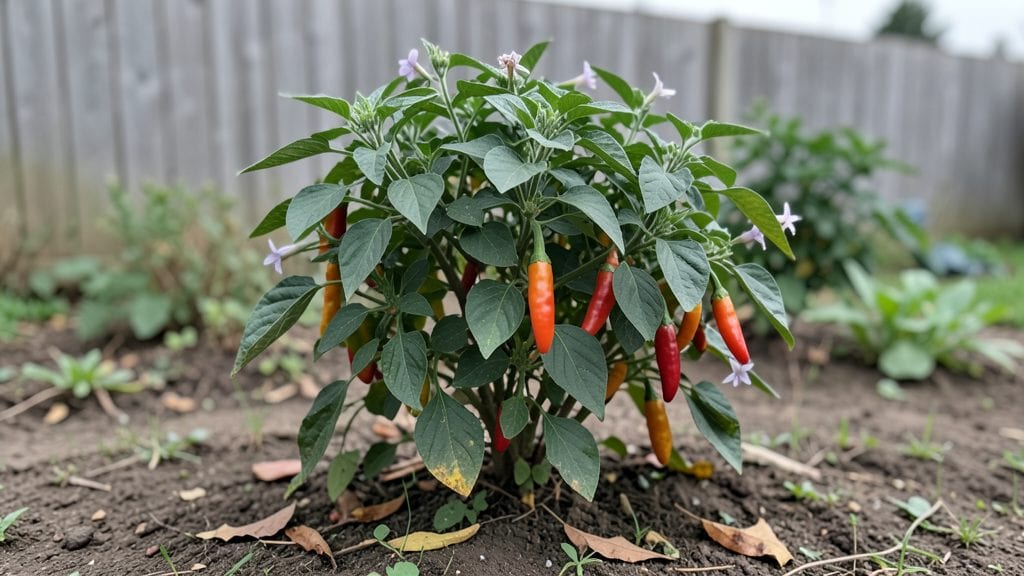
Growing a cayenne pepper tree means spicy harvests that last well past summer's end. 🌿 I've learned the hard way that these plants reward patience—when you prune right, you get fruit from spring through fall. The key is understanding how they grow and when to trim for maximum production.
These tropical plants thrive in full sun and warm soil, but they're surprisingly adaptable. Start with well-draining potting mix if growing in containers, and keep them near a sunny window indoors during cooler months.
Outdoors, they handle heat like champs but need protection from frost. The secret to year-round fruit? Strategic pruning every 3-4 months to encourage new growth.
You'll harvest glossy red peppers that pack serious heat, ready to pick as soon as they ripen. The plants stay compact and productive when pruned correctly, and you can even grow multiple varieties in one container.
With the right care, you'll have fresh cayenne peppers whenever you need them—no grocery store required.
Works beautifully in pots on patios or as a houseplant in warm climates. The same pruning principles apply whether you're growing one plant or a whole collection. Let's get those scissors ready and turn your cayenne tree into a spicy powerhouse!
📚 In This Guide
- What you need
- Instructions
- Tips and common mistakes
- Wrapping up and next steps
What you need
- ● Cayenne pepper seeds or seedlings: Choose heirloom or hybrid varieties (e.g., 'TAM Mild,' 'Jalapeño,' or 'Carolina Reaper' for extra heat). Quantity: 3–5 seeds or 1–2 seedlings per pot.
- ● Well-draining potting mix: A blend of 60% peat moss/compost, 30% perlite or vermiculite, and 10% sand (or a pre-mixed cactus/succulent mix). Quantity: 1–2 gallons per plant.
- ○ Containers: 5–7 gallon pots with drainage holes (or fabric grow bags for larger trees). Optional: Raised beds if growing outdoors year-round.
- ● Slow-release fertilizer: Balanced 10-10-10 or organic options like fish emulsion (apply at planting and mid-season).
- ● Pruning tools: Bypass pruners (for clean cuts on stems <¼" thick).
- ● Concave pruning shears (for thicker branches).
- ● Sterilizing solution (70% isopropyl alcohol or bleach water to prevent disease).
- ○ Support stakes or trellis: Optional but helpful for tall varieties (e.g., 5–6 ft bamboo stakes or wire mesh).
- ● Sunlight: Full sun (6–8+ hours daily). Use a grow light (LED or fluorescent) for indoor setups.
- ● Temperature: Warmth-loving! Ideal range: 70–90°F (avoid frost; use row covers if needed).
- ● Water: Drip irrigation or self-watering pots to maintain consistent moisture (avoid soggy soil).
- ● Humidity: 40–60% (use a humidifier or pebble tray in dry climates).
- ● 🔥 Seed-starting hack: Soak seeds in warm water for 24 hours to speed up germination.
- ● ✨ Pruning pro move: Sterilize tools before and after each cut to avoid fungal spread.
- ● 🌡️ Heat lovers: Cayennes thrive in container heat mats (set to 80°F) for faster growth.
Step-by-step instructions for growing a cayenne pepper tree
Here’s how to cultivate a productive cayenne pepper tree that keeps bearing all season long.
🌱 Step 1: Start with Healthy Seeds or Transplants
Cayenne peppers thrive from seeds, but expect 8-12 weeks of indoor growing before transplanting. Soak seeds overnight in lukewarm water to soften the outer coating—this speeds up germination. Plant ¼ inch deep in the seed-starting mix, spacing them 1 inch apart in the tray.
Keep the soil consistently moist (not soggy) and maintain a warm environment of 75-85°F for germination. A seedling heat mat helps, but even a sunny windowsill works if you’re patient. Germination usually takes 10-20 days, though some stubborn seeds may take longer. Once sprouts appear, remove the heat mat and provide bright light for 14+ hours daily.
If using transplants, choose healthy plants with 3-4 leaves and no signs of pests. Handle roots gently to avoid shock—cayenne peppers hate root disturbance. Transplant after the last frost date when soil temperatures stay above 60°F.
☀️ Step 2: Plant in Full Sun and Well-Draining Soil
Cayenne peppers demand 6-8 hours of direct sun daily—more if possible. Choose a spot with afternoon shade in hot climates to prevent scorching. Amend the soil with 2 cups of compost per plant to improve fertility and drainage. Cayenne trees hate soggy roots, so avoid low-lying areas where water pools.
Dig a hole twice as wide as the root ball but only as deep. Place the plant so the top of the root ball sits ½ inch above soil level—this prevents rot when watering. Backfill with soil, firming gently around the roots. Water deeply right after planting to settle the soil and remove air pockets.
💧 Step 3: Water Deeply and Consistently
Water cayenne trees at the base, keeping the soil evenly moist but never waterlogged. Aim for 1-1.5 inches of water per week, adjusting for rain. Let the top 1-2 inches of soil dry out between waterings—this prevents fungal diseases like root rot. Mulch around the base with 2 inches of mulch to retain moisture and regulate soil temperature.
Overwatering is the #1 killer of cayenne trees. You’ll know you’ve overdone it if leaves turn yellow or wilt despite moist soil. Reduce watering slightly if you notice this—cayenne peppers prefer dry spells between drinks.
✂️ Step 4: Prune Strategically for Year-Round Harvests
Prune in early spring to shape the tree and encourage bushier growth. Remove any dead, diseased, or crossing branches first—this improves airflow and fruit production. Cut back leggy stems by ⅓ their length to promote branching. Use clean, sharp pruners to make cuts just above a leaf node.
For continuous harvests, pinch off flower buds as they form in early summer. This redirects energy to foliage growth instead of fruit, resulting in a bushier plant that produces more peppers over time. Once you’ve achieved the desired shape, let flowers develop naturally for a steady supply of peppers.
In late fall, give the tree a light pruning to remove any remaining fruit and tidy up. This prepares it for winter dormancy and ensures fresh growth in spring. Avoid heavy pruning in winter—cayenne trees are tender and need time to recover.
Tips & tricks for growing a thriving cayenne pepper tree
These practical insights will help you avoid common pitfalls and maximize your cayenne pepper harvest all season long.
Germination Boost: Don't rush the 8-12 week indoor growing period—this critical time builds strong root systems. I've found that placing seed trays on a seedling heat mat at 75-85°F speeds up germination from the usual 10-20 days to just 5-7 days. Once sprouts appear, switch to bright light for 14+ hours daily to prevent leggy seedlings.
Transplant Timing Secret: Wait until soil temperatures consistently stay above 60°F before transplanting outdoors. I learned this the hard way after transplanting too early—my cayenne plants wilted dramatically when nighttime temps dipped below 55°F. Use a soil thermometer if you're unsure, especially in spring or fall.
Sunlight Strategy: While cayenne peppers need 6-8 hours of direct sun daily, afternoon shade in hot climates prevents scorching. I position my plants where they get morning sun and afternoon shade, which works perfectly in my zone 9 climate. If growing in containers, rotate them weekly to ensure even sun exposure on all sides.
Pruning Precision: When cutting back leggy stems by ⅓ their length in early spring, always make clean cuts just above a leaf node. I use sterilized pruners to prevent disease transmission, and I never remove more than ⅓ of the plant at once—this maintains productivity while encouraging bushier growth. For continuous harvests, pinch off flower buds consistently in early summer.
Pro Tips for Cayenne Pepper Tree
- These practical insights will help you avoid common pitfalls and maximize your cayenne pepper harvest all season long.
- Germination Boost: Don't rush the 8-12 week indoor growing period—this critical time builds strong root systems.
- Transplant Timing Secret: Wait until soil temperatures consistently stay above 60°F before transplanting outdoors.
Frequently asked questions
Got questions about growing your own cayenne pepper tree? You’re not alone!
Here are some of the most common queries—and their answers—to help you cultivate a thriving, spicy harvest year-round.
How long does it take for a cayenne pepper tree to produce fruit?
A healthy cayenne pepper tree typically takes 6–12 months to bear fruit after planting, depending on climate and care. In warmer regions, you might see peppers as early as 3–4 months, while cooler areas may take longer. Patience pays off—consistent pruning and sunlight accelerate fruiting! Pro tip: Use a grow light if natural sunlight is limited.
Can a cayenne pepper tree survive winter outdoors?
Most cayenne pepper trees (Capsicum annuum) are tender perennials and won’t survive freezing temps below 30°F (-1°C). In cold climates, grow it in containers and bring it indoors before the first frost. If planted in the ground, mulch heavily and cover with frost cloth for protection. Pro tip: Prune back lightly in early spring to encourage new growth.
What’s the best alternative if cayenne peppers are too spicy?
If cayenne’s heat is too intense, try milder pepper varieties like:
- Poblano – Mild, earthy flavor (great for stuffing)
- Anaheim – Sweet with a gentle kick (ideal for salsas)
- Banana pepper – Crisp and tangy (perfect for pickling)
How do I prune a cayenne pepper tree for bigger yields?
Prune early in the season (spring) to shape the plant and remove dead branches. Focus on:
- Trimming overcrowded stems to improve airflow
- Pinching off flower buds on young plants to boost foliage (helps later fruiting)
- Cutting back 1/3 of the plant in late summer to encourage a second harvest
Why are my cayenne pepper leaves turning yellow?
Yellow leaves usually signal overwatering, nutrient deficiency, or pests. Check these fixes:
- Watering: Let soil dry 1–2 inches deep between waterings.
- Nutrients: Feed with a balanced fertilizer (10-10-10) every 4–6 weeks.
- Pests: Inspect for aphids or spider mites; spray with neem oil if needed.
Wrapping up and next steps
Growing a cayenne pepper tree is a rewarding journey that combines patience, care, and a dash of creativity! With the right pruning techniques—like strategic cuts, training, and seasonal adjustments—you’ll unlock a year-round harvest of fiery peppers.
Whether you’re a seasoned gardener or a beginner, these tips will help you cultivate a thriving, productive plant that keeps giving.
Ready to take the next step? Start small—plant a seedling or a young tree, experiment with pruning, and watch your cayenne pepper tree flourish! Share your progress with fellow gardeners, and don’t forget to enjoy the harvest—whether in the kitchen or as a gift to pepper-loving friends. 🌱🔥