
Pests
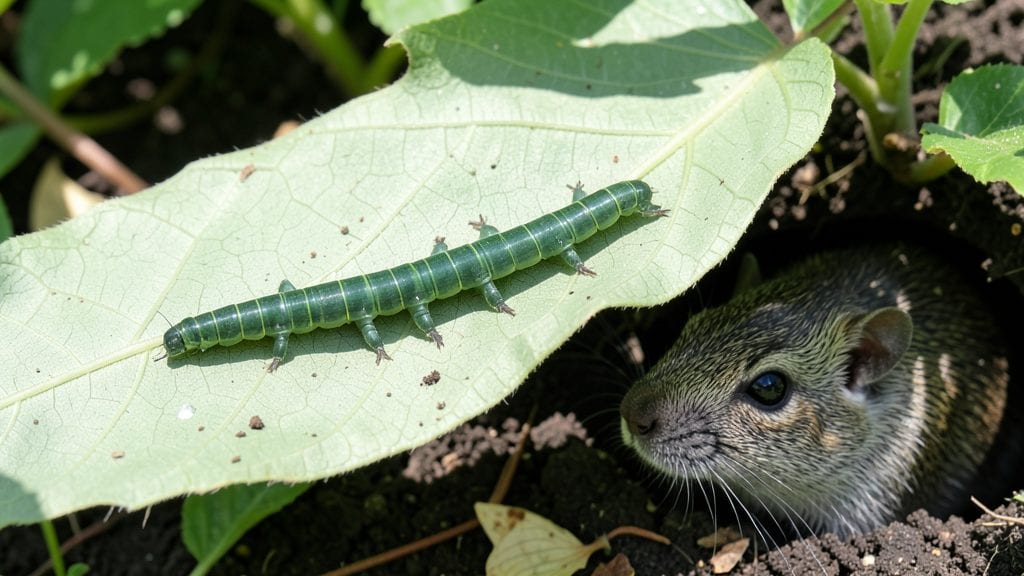
Those silky white webs draped across your cherry branches aren’t just unsightly—they’re a caterpillar buffet that strips leaves overnight. 🌿 I’ve watched entire orchards defoliated by tent caterpillars in just a few weeks, and the key to saving your trees isn’t harsh chemicals but smart, targeted action.
The damage starts small—tiny chewed edges on leaves—but if ignored, it escalates to bare branches by summer.
Most cherry tree caterpillars, like tent caterpillars or leaf rollers, thrive because they go unnoticed until the damage is done. The good news? Their lifecycle gives you a narrow window to act—larvae are most vulnerable in early spring before they spin their protective tents.
Natural predators like birds and parasitic wasps handle small infestations, but when webs cover more than 10% of the tree, you’ll need to intervene.
You’ll learn how to manually remove nests (yes, it’s gross but effective), use organic sprays like neem oil or Bacillus thuringiensis, and even turn caterpillars into bird feed.
The goal isn’t just to kill pests—it’s to protect your tree’s health without harming bees or beneficial insects that keep your orchard thriving.
Whether you’re dealing with a single branch or a full grove, these methods work for small-scale gardens and commercial orchards alike. Let’s get your cherry trees back to lush, pest-free glory before the next generation of caterpillars hatches.
Root Causes Of Cherry Tree Defoliation
Understanding why caterpillars target your cherry trees starts with recognizing their natural instincts and the environmental factors that make your orchard an appealing buffet. These pests don’t strike out of malice—they’re following a well-honed survival strategy.
Let’s break down the key reasons behind their infestations, so you can address them effectively.
Cherry trees, especially sweet and tart varieties, are a caterpillar’s dream meal. Their tender leaves are packed with nutrients, and their delicate branches provide easy access. Here’s why they’re so irresistible:
- High Nutritional Value: Cherry leaves contain sugars, proteins, and moisture that caterpillars crave during their rapid growth phases.
- Soft Tissue: Unlike tougher tree species, cherry leaves are easy to chew, making them ideal for larval development.
- Familiar Scent: Cherry trees release volatile organic compounds (VOCs) that signal to moths (the caterpillars’ parents) that the tree is a reliable food source.
Pro Tip: 🔍 If your orchard is surrounded by other fruit trees (like apples or plums), caterpillars may also see them as backup options—but cherries are often their top pick.
Caterpillars don’t just appear randomly—they follow a precise life cycle tied to cherry tree growth. Here’s how timing plays a role:
- Spring Emergence: Many cherry tree caterpillars (like the Western Cherry Fruitworm or Eastern Tent Caterpillar) hatch in early spring, coinciding with new leaf growth.
This ensures a fresh, nutrient-rich food supply. - Multiple Generations: Some species produce two or three generations per year, meaning you might see waves of infestation if conditions are favorable. - Overwintering Strategies: Eggs or pupae often overwinter in bark crevices or leaf litter, emerging when temperatures rise.
Warmer winters can accelerate this process, leading to earlier outbreaks.
Pro Tip: ⏰ Monitor your trees in late April to early May—this is when many caterpillars first appear. Early detection is key to preventing severe damage.
Mother Nature plays a huge role in caterpillar activity. Here’s how weather patterns influence infestations:
| Factor | How It Encourages Caterpillars | What You Can Do |
|---|---|---|
| Warm, Dry Springs | Speeds up egg hatching and larval growth. | Prune trees in late winter to reduce egg-laying sites. |
| High Humidity | Creates ideal conditions for fungal diseases that caterpillars avoid, but also attracts their predators’ prey. | Use row covers if humidity is consistently high to disrupt mating. |
| Mild Winters | Fewer eggs or pupae die off, leading to larger populations the following spring. | Plant native perennials near trees to attract natural predators like birds. |
| Late Freezes | Can kill off early caterpillar waves, but surviving larvae may become more aggressive later. | Apply organic sprays (like neem oil) before expected hatching dates. |
Pro Tip: 🌡️ Use a weather station or local agricultural alerts to predict peak caterpillar activity in your region.
A neglected orchard is an open invitation for caterpillars. Here’s how clutter and debris contribute to the problem:
- Leaf Litter & Debris: Provides shelter for overwintering eggs and pupae.
Caterpillars like the Tussock Moth often hide in thick mulch or fallen leaves. - Weakened Trees: Stressed trees (from drought, poor soil, or disease) produce softer, more palatable leaves, making them easier targets. - Lack Of Diversity: Monoculture orchards (only cherry trees) offer no natural barriers—predators like parasitic wasps or birds have fewer alternative food sources.
Pro Tip: ✨ Prune regularly and remove fallen leaves in fall and winter to eliminate hiding spots. Add compost or mulch alternatives (like wood chips) to improve soil health without creating caterpillar havens.
Sometimes, well-meaning actions make the problem worse. Here’s how:
- Over-Fertilizing: Excess nitrogen makes leaves softer and more attractive to caterpillars.
- Pesticide Overuse: While chemical sprays kill caterpillars, they can also eliminate natural predators (like ladybugs or lacewings), leading to bigger infestations later.
- Planting Near Wild Areas: If your orchard borders forests or fields, migrating moths may discover your cherries first.
Pro Tip: 🌿 Rotate organic sprays (like Bt bacteria or soapy water) instead of relying on one method. This keeps caterpillars from developing resistance.
Quick Fixes for Leaf Munchers
When those hungry caterpillars start turning your cherry tree leaves into lace, it’s time to act—but not with harsh chemicals! Here’s how to tackle the problem naturally, cause by cause, with simple, effective steps.
If you’ve already spotted caterpillars chomping away, act quickly to minimize leaf loss and protect your tree’s health.
🍳 Handpick the Pests (Best for Small Infestations)
How to do it:
- 🕵️♂️ Scout first: Check the tree early in the morning when caterpillars are sluggish (they’re easier to spot and remove).
- 🧤 Wear gloves: Some caterpillars (like tent caterpillars) can irritate skin.
- 🪶 Drop them in soapy water: Fill a bucket with water and a few drops of dish soap—this kills them instantly without chemicals.
- 🌳 Focus on hotspots: Prioritize areas with heavy defoliation or silk webbing (a sign of tent caterpillars).
Pro tip: 💡 If your tree is small, shake the branches over a tarp to dislodge caterpillars—then dispose of them far from your orchard.
🌿 Use Organic Sprays (For Larger Infestations)
If handpicking isn’t enough, these non-toxic sprays disrupt caterpillars’ feeding and growth:
| Solution | How to Apply | Best For |
|---|---|---|
| 🥬 Bacillus thuringiensis (Bt) | Mix with water as directed; spray evenly on leaves (top and bottom). | Young caterpillars (stops feeding). |
| 🌶️ Spicy Pepper Spray | Blend 2 tbsp cayenne pepper + 1 tsp dish soap + 1 quart water; spray directly. | General deterrent (reapply after rain). |
| 🍋 Neem Oil | Mix 1 tbsp neem oil + 1 tsp soap + 1 quart water; spray at dusk to avoid harming bees. | Eggs and young larvae. |
⚠️ Important: Always test sprays on a small leaf first—some trees (like young or stressed cherry trees) may react poorly to oils.
🪜 Remove Silken Tents (For Tent Caterpillars)
Tent caterpillars build webs that shelter hundreds of larvae. Break the cycle with these steps:
- 🔪 Cut open tents with pruning shears (wear gloves!) and drop them into soapy water.
- 🔥 Burn or bury tents far from the tree (never compost them near your orchard).
- 🌳 Prune affected branches if infestation is severe—sterilize shears with rubbing alcohol between cuts.
Pro tip: 🌡️ Timing is key! Remove tents before caterpillars emerge as adults (usually late winter/early spring).
Stop caterpillars before they start with these easy, proactive steps:
🌳 Encourage Natural Predators
Caterpillars have natural enemies—help them thrive in your yard:
- 🐦 Bird feeders: Attract robins, bluebirds, and chickadees (they love munching caterpillars).
- 🐝 Leave leaf litter: Ground beetles and parasitic wasps hide there—don’t clean up fallen leaves until spring.
- 🌼 Plant companion flowers: Marigolds, dill, and fennel attract ladybugs and lacewings, which eat caterpillar eggs.
🌱 Strengthen Your Tree’s Defenses
Healthy trees resist pests better. Boost your cherry tree’s immunity with: - 💧 Deep watering: Drought-stressed trees attract more pests.
Water 1 inch per week (deeply, not just surface water). - 🍄 Mulch properly: Use wood chips or straw (not plastic) to retain moisture and block weed competition. - 🌿 Fertilize smartly: Over-fertilizing attracts soft-bodied pests. Use a balanced organic fertilizer (like compost or fish emulsion) in early spring.
📅 Monitor & Act Early
- 🕰️ Check weekly during spring/summer (peak caterpillar season).
- 🔍 Look for eggs: Tiny clusters on undersides of leaves or bark crevices—scrub them off with a damp cloth.
- 🚨 Act at first sight: The sooner you intervene, the less damage occurs.
Final pro tip: ✨ Combine methods! Handpick + Bt spray + predator-friendly plants = a caterpillar-proof cherry tree without chemicals. Your tree (and future harvests) will thank you!
Frequently asked questions
What are the most common types of caterpillars that attack cherry trees?
Cherry trees are most commonly targeted by Eastern Tent Caterpillars (white with blue/black stripes) and Western Cherry Fruitworms (pale green with dark stripes). You might also spot Tussock Moths (yellow with black hairs) or Leaf Rollers (green with rolled leaves). Each species builds different signs—tents, silk webbing, or rolled leaves.
How do I know if the damage is severe enough to treat?
If you see more than 10% of leaves defoliated or silken tents covering branches, it’s time to act. Severe damage (bare branches) means the tree’s growth and fruit production will suffer. For small infestations (a few chewed leaves), natural predators like birds often handle the problem.
Are chemical pesticides safe for cherry trees?
Chemical pesticides can harm cherry trees if overused, especially synthetic pyrethroids, which may cause leaf burn or kill beneficial insects. For organic orchards, Bacillus thuringiensis (Bt) or neem oil are safer alternatives. Always follow label instructions and apply in early morning/evening to protect pollinators.
Can I use homemade sprays to control caterpillars?
Yes! A soapy water spray (1 tsp dish soap per quart of water) or spicy pepper solution (2 tbsp cayenne + 1 tsp soap per quart) works well for small infestations. Reapply after rain, and test on a small leaf first—some trees may react poorly. For larger problems, combine with handpicking for best results.
Will removing caterpillar nests harm my tree?
No, removing nests (especially tent caterpillar webs) actually helps your tree! Cutting open tents and dropping larvae in soapy water reduces stress on the tree. Just avoid pruning heavily during active growth—focus on removing only the infested branches. Sterilize pruners with rubbing alcohol between cuts to prevent disease spread.