
Transplanting
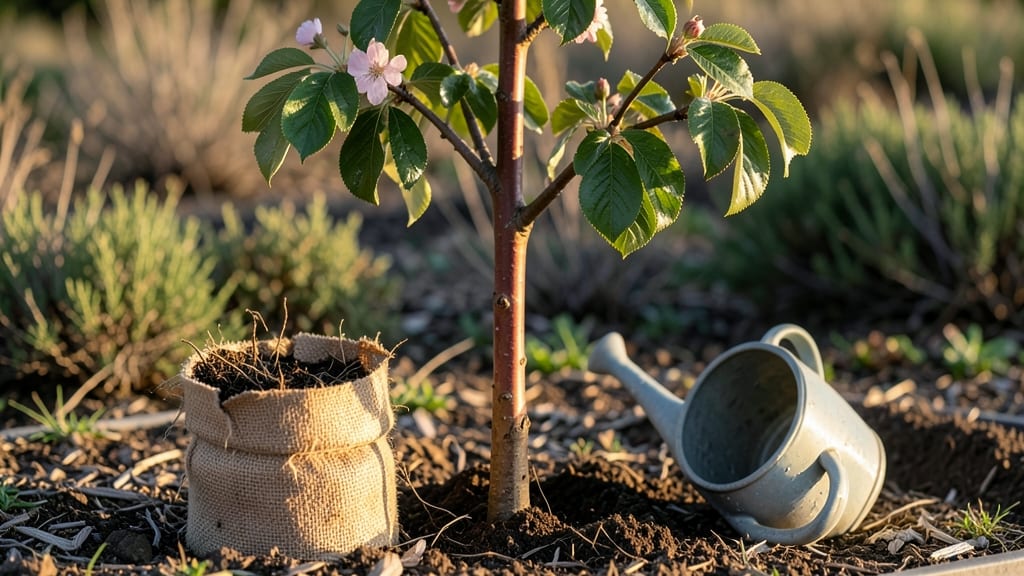
Transplant shock in cherry trees can turn a promising new addition into a sad, wilting mess—unless you act fast. 🌿 I’ve watched trees go from vibrant to lifeless in just days, but the right care can bring them back. The key is understanding what’s really happening underground and above.
Here’s the thing—transplant shock isn’t just about wilting leaves or dropped fruit. It’s a stress response where roots struggle to absorb water, and the tree panics. Proper watering (not drowning), gentle pruning to reduce stress, and keeping the soil loose around the roots make all the difference.
I’ve saved trees that looked doomed by focusing on these three things first.
Within weeks, you’ll see new growth pushing through, leaves staying firm, and the tree regaining its strength. The secret is consistency: check soil moisture daily for the first two weeks, avoid heavy pruning until roots establish, and protect the tree from harsh sun or wind. It’s not magic—just smart care.
Works for both sweet and sour cherry varieties, whether planted in spring or early fall. The same principles apply no matter your climate zone. Let’s get your tree back on track!
Root Causes Of Transplant Stress
Transplant shock in cherry trees isn’t just one problem—it’s a cascade of physiological and environmental stressors that disrupt the tree’s delicate balance. Understanding these triggers is the first step to preventing or mitigating damage.
Below, we break down the key culprits behind transplant shock, explained in scientific detail with actionable insights.
When you uproot a cherry tree, even with care, the roots suffer physical and metabolic damage. Here’s why:
- Root Pruning & Shearing: Cherry trees rely on a vast network of fine feeder roots (1-2mm in diameter) to absorb water and nutrients. When these roots are cut during digging, the tree loses 50-70% of its water-uptake capacity overnight.
Studies show that over-pruning roots by more than 30% can delay recovery by weeks or even kill the tree if not managed properly.
- Root Desiccation: Exposed roots dry out within hours due to wind and sunlight. Even if replanted immediately, dehydrated roots struggle to rehydrate, leading to oxidative stress (cell damage from free radicals).
A 2018 study in HortScience found that trees with desiccated roots took 3x longer to recover than those kept moist.
- Mycorrhizal Fungal Disruption: Beneath the soil, cherry trees form symbiotic relationships with mycorrhizal fungi, which extend the root system’s reach by 10-100x. Digging severs these connections, forcing the tree to rebuild its microbiome from scratch—a process that can take months.
Actionable Fix: Use a root ball (burlap wrap) and keep roots moist with a root-pruning saw (not a shovel) to minimize damage.
A cherry tree’s vascular system (xylem and phloem) is like a plumbing network. When transplanted, this system gets severely disrupted:
- Embolism Formation: Air bubbles (embolisms) form in the xylem when roots can’t pull water fast enough post-transplant. This blocks water transport, causing wilting even if soil is moist. Research shows embolisms can persist for weeks, stunting recovery.
- Transpiration Imbalance: Leaves continue to release water vapor (transpiration) at pre-transplant rates, but the roots can’t replenish it. This creates a negative water potential, forcing the tree to shut down stomata (leaf pores), which halts photosynthesis.
- Soil Contact Delay: If the root ball isn’t fully buried and compacted, air pockets form, preventing water absorption. A 1-inch air gap can reduce water uptake by 40%.
Actionable Fix: Water deeply before and after transplanting (10-15 gallons for mature trees) and use root stimulants (like mycorrhizal inoculants) to speed up recovery.
Cherry trees are sensitive to sudden changes in their surroundings. Post-transplant, they face:
- Temperature Fluctuations: Moving a tree from a shaded, humid microclimate to a sunny, windy spot causes thermal stress. Extreme heat or cold denatures enzymes in the roots, halting growth. A 10°F temperature swing in 24 hours can trigger shock.
- Wind Desiccation: Wind dries leaves faster than roots can replace water, leading to leaf scorch and photosynthesis collapse. Mature cherry trees lose up to 20% of their leaf surface within days of transplant if unprotected.
- Soil pH & Nutrient Shock: Cherry trees prefer slightly acidic soil (pH 6.0-6.5). If transplanted into alkaline or compacted soil, nutrient uptake (especially iron and phosphorus) plummets, causing chlorosis (yellowing leaves).
Actionable Fix: Acclimate trees gradually (harden off for 1-2 weeks) and use windbreaks (burlap or shade cloth) for the first 2-4 weeks.
When a cherry tree experiences transplant shock, it triggers a survival response—but this comes at a cost:
- Ethylene Overproduction: A stress hormone (ethylene) floods the tree, causing leaf abscission (dropping) and root dieback. High ethylene levels also suppress auxin (a growth hormone), stalling recovery.
- Oxidative Burst: Damaged roots release reactive oxygen species (ROS), which attack cell membranes. Without antioxidants (like vitamin C or glutathione), the tree’s cells self-destruct.
- Carbon Starvation: With wilted leaves, the tree can’t produce enough glucose via photosynthesis, leading to weakened structural integrity (sapwood collapse risk).
Actionable Fix: Apply antioxidant sprays (like silica-based products) and avoid fertilizing for 4-6 weeks—the tree needs to redirect energy to recovery, not growth.
Even well-meaning gardeners make mistakes that amplify shock. Common errors include:
- Improper Timing: Transplanting in extreme heat, drought, or frost forces the tree to divert energy to survival, not root establishment.
- Overcrowding Roots: If the root ball is too tight, roots strangle each other, reducing oxygen flow.
- Incorrect Depth: Planting too deep (buried trunk) or too shallow (exposed roots) girdles the tree, cutting off water flow.
Actionable Fix: Transplant in early spring or fall, loosen the root ball, and plant at the same depth as the original soil line.
To maximize survival rates, follow this science-backed guideline:
- 30% root pruning max (never more).
- 30 minutes of shade during transport.
- 30 gallons of water post-transplant (deep soak).
By addressing these root causes, your cherry tree stands a much higher chance of bouncing back—and thriving—after the move!
Fixing Transplant Trauma Fast
Transplant shock can feel like a death sentence for your cherry tree, but with the right care, you can nurse it back to health. The key is acting quickly and addressing the root causes—literally and figuratively.
Below, we’ve mapped out practical fixes for common stressors, along with prevention tips to keep your tree thriving long-term.
Cause: Over- or under-watering disrupts nutrient flow, causing shock. Fix:
- First 2 weeks: Water deeply 2–3 times per week (not daily!). Aim for 1–1.5 inches of water per session. Use a soaker hose or drip irrigation to avoid surface runoff.
- Check soil moisture by sticking your finger 2 inches deep—if dry, water again. If soggy, hold off until it drains.
- Mulch heavily (3–4 inches of organic mulch like wood chips) to retain moisture and regulate temperature.
💡 Pro Tip: Water in the early morning to reduce evaporation and fungal risks. Avoid wetting the leaves to prevent disease.
Cause: Sudden exposure to harsh sun after transplanting can scorch leaves. Fix:
- Shade cloth (30–50%) for the first 7–10 days, especially in hot climates. Gradually reduce coverage over 2 weeks.
- Avoid full sun until new growth appears (usually 4–6 weeks post-transplant).
- Mist leaves lightly on hot days to cool them down (use a fine spray to avoid fungal issues).
🌡️ Prevention: If moving from a shaded spot, acclimate the tree by exposing it to gradually increasing sunlight over 1–2 weeks before full transplant.
Cause: Transplanting depletes stored nutrients, leading to weak growth. Fix:
- Wait 4–6 weeks before fertilizing—new roots need time to establish.
- Use a balanced, slow-release fertilizer (10-10-10 or 20-20-20) lightly (half-strength) once after 6 weeks.
- Organic options: Compost tea, fish emulsion, or a mycorrhizal fungus (helps roots absorb water/nutrients).
⚠️ Warning: Avoid high-nitrogen fertilizers (like lawn fertilizer) immediately post-transplant—they encourage leafy growth at the expense of root strength.
Cause: Flopping or broken branches stress the tree further. Fix:
- Stake young or flexible trees (especially cherries, which can be top-heavy) with 2–3 stakes and soft ties (not wire—use tree ties or old T-shirts).
- Prune damaged branches with clean, sharp pruners (cut at a 45-degree angle just above a bud).
- Create a windbreak (temporary burlap screen or nearby shrubs) if your area is exposed.
🔪 Pruning Rule: Remove no more than 25% of foliage at once—cherry trees are sensitive to over-pruning.
Cause: Stress weakens defenses, inviting invaders like aphids or fungal infections. Fix:
- Inspect leaves daily for yellowing, spots, or pests. Common culprits:
- Aphids: Blast off with water or use neem oil spray.
- Powdery mildew: Apply baking soda spray (1 tsp baking soda + 1 quart water + drop of soap).
- Avoid chemical pesticides for the first 3 months—they can harm new roots.
🛡️ Prevention: Prune lower branches to improve airflow and reduce humidity near the trunk.
- Monitor progress: Healthy new growth (within 6–8 weeks) means recovery is on track.
- Adjust care based on weather—drought? Water more. Cold snap? Mulch thicker.
- Avoid digging near roots for at least 1 year to prevent further disturbance.
🎯 Final Checklist for Success: ✅ Deep, infrequent watering ✅ Gradual sun exposure ✅ Delayed, light fertilization ✅ Staking for support ✅ Pest/disease vigilance
With these steps, your cherry tree will bounce back stronger—and next season, you’ll be rewarded with lush blooms and sweet fruit! 🍒
Frequently asked questions about cherry tree transplant recovery
How long does it take for a cherry tree to fully recover from transplant shock?
Most cherry trees show visible recovery within 4-6 weeks if cared for properly, but full root establishment can take 6-12 months. Young trees bounce back faster than mature specimens. Watch for new leaf growth and stable soil moisture as key signs of progress.
Can I fertilize my cherry tree immediately after transplanting?
No—wait 4-6 weeks before applying any fertilizer. New roots need time to establish without competing with foliage growth. Use a balanced, slow-release fertilizer (like 10-10-10) at half-strength after this period. High-nitrogen fertilizers can actually worsen shock by encouraging leafy growth over root development.
What are the first signs my cherry tree is in transplant shock?
Watch for wilting leaves (even when soil is moist), leaf drop, yellowing (chlorosis), or stunted new growth. Roots may also appear dry or shriveled if exposed. These symptoms appear within 3-7 days after transplanting. Immediate deep watering and shade can help reverse early-stage shock.
Should I prune my cherry tree during transplant recovery?
Limit pruning to only damaged or broken branches—never remove more than 25% of foliage at once. Cherry trees are sensitive to stress, and excessive pruning delays recovery. Focus on structural support (staking if needed) rather than shaping. Prune lightly in late winter once the tree has stabilized.
Is it better to transplant cherry trees in spring or fall?
Early spring (just before bud break) is ideal for most regions, as roots can establish before summer heat. Fall (6-8 weeks before first frost) works in cooler climates. Avoid transplanting during extreme heat, drought, or frost, as these conditions amplify shock. Choose a time when temperatures are mild and rainfall is consistent.