
Trees
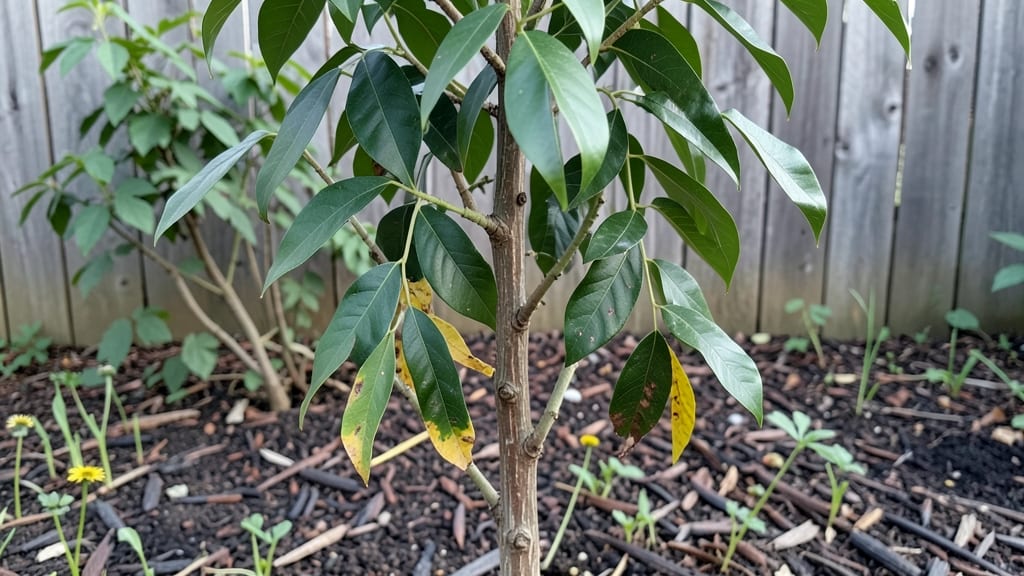
Growing cinnamon tree leaves at home means waking up to the warm, spicy scent of your own kitchen spice cabinet—no store-bought substitutes needed. 🌿 I’ve grown mine for years, and the difference between fresh leaves and dried powder is night and day, especially when baking or seasoning stews.
The key isn’t just sunlight and water; it’s understanding how these tropical trees adapt to indoor conditions without losing their signature fragrance.
The leaves themselves are thick, glossy, and dark green, with a subtle cinnamon aroma that intensifies when crushed. You’ll need a sunny spot, well-draining soil, and patience—these trees grow slowly but reward you with year-round harvests once established.
Pruning encourages bushier growth, and harvesting leaves the right way keeps the plant thriving without stress. Let’s get your own spice garden growing!
📚 In This Guide
- What you need
- Instructions
- Tips and common mistakes
- Wrapping up and next steps
What you need
- ● Fresh cinnamon tree leaves (harvest 1–2 cups per batch; ensure they’re mature but not woody).
- ● Pruning shears or sharp scissors (sterilized with rubbing alcohol to prevent disease).
- ● Paper towels or clean cloth (for gently patting leaves dry post-harvest).
- ● Air-dry trays or mesh screens (or a well-ventilated drying rack).
- ● Food-grade storage containers (glass jars with airtight lids or resealable bags).
- ● Labeling tags and a marker (to note harvest date and purpose).
- ● Dehydrator (set to 95°F/35°C for even drying, ~3–4 hours).
- ● Essential oil diffuser (to amplify the aroma during drying).
- ● Spice grinder or mortar & pestle (for crushing dried leaves into powder).
- ● Digital scale (for precise measurements in recipes).
- ● Access to a mature cinnamon tree (e.g., Cinnamomum verum or Cinnamomum cassia) in your garden or a trusted supplier.
- ● Knowledge of leaf identification—avoid mistaking cinnamon leaves for toxic lookalikes like Lindera species.
- ● A sunny, shaded spot (for air-drying) with minimal humidity.
Step-by-Step guide to growing and harvesting cinnamon tree leaves
Here's how to cultivate fragrant cinnamon tree foliage that stays lush and aromatic year-round.
🌱 Step 1: Select and Prepare Your Cinnamon Tree
Start with a healthy Cinnamomum verum sapling or established plant, ensuring it receives bright, indirect light for at least 6-8 hours daily. These trees thrive in humidity levels above 50%, so place yours near a humidifier or in a naturally moist environment like a kitchen or bathroom. If growing outdoors, choose a sheltered spot with partial shade—direct sun can scorch the delicate leaves.
Before planting, inspect the roots for any signs of rot or damage. If repotting, use a well-draining potting mix (like the 3 gallons of premium potting mix from your supplies) blended with 20% perlite to prevent compaction. Fill the container to 1 inch below the rim, leaving space for watering. Tap the pot gently to settle the soil without compacting it—this ensures roots can expand freely.
☀️ Step 2: Position for Optimal Light and Humidity
The key to fragrant cinnamon leaves lies in light balance—too little, and growth stalls; too much, and leaves burn. Position your tree 3-5 feet from a south-facing window or under grow lights set to 12-14 hours daily. If outdoors, avoid harsh afternoon sun, especially in summer months when temperatures exceed 85°F. You’ll notice leaves losing their glossy sheen as a sign of stress—adjust placement immediately.
Humidity is non-negotiable. Mist the leaves 2-3 times weekly or place the pot on a pebble tray filled with water to maintain moisture in the air. In dry climates, a small indoor fountain nearby can boost humidity naturally. Watch for curled leaf edges—this signals low humidity, and your tree will need more frequent misting or a relocation to a moister spot.
💧 Step 3: Water and Fertilize for Lush Growth
Water your cinnamon tree when the top 2 inches of soil feel dry to the touch, typically every 5-7 days depending on humidity. Overwatering is the fastest way to kill these tropical plants—yellowing leaves or mushy stems mean you’re drowning the roots. Use room-temperature water to avoid shocking the system, and always water until it drains freely from the bottom holes. Empty the saucer 30 minutes later to prevent root rot.
Feed your tree every 4-6 weeks during spring and summer with a balanced liquid fertilizer (like the 16-16-16 fertilizer in your supplies), diluted to half-strength. Stop fertilizing in fall and winter when growth slows. You’ll see new leaves emerging within 2-3 weeks of fertilizing—this is your cue that the nutrients are working. If growth stalls, reduce fertilizer strength or increase light exposure.
✂️ Step 4: Prune and Harvest for Year-Round Fragrance
Pruning encourages bushier growth and more abundant leaves. Trim back overly long stems in early spring to shape the tree and remove any yellowed or damaged leaves. Use clean, sharp pruners to make cuts just above a leaf node—this prevents tearing and promotes faster healing. Harvest leaves as needed by snipping individual stems with 4-6 inches of growth remaining on the plant. This method ensures the tree keeps producing new foliage.
To maximize fragrance, harvest leaves in the morning when essential oils are most concentrated. Store fresh leaves in an airtight container in the fridge for up to 2 weeks, or dry them in a cool, dark place for later use. If your tree starts dropping leaves unexpectedly, check for pests like spider mites or fungal spots—both thrive in dry conditions. Treat immediately with neem oil (diluted to 1 tsp per quart of water) to protect your harvest.
Tips & tricks for perfect cinnamon tree leaf cultivation
A few simple strategies will help you cultivate fragrant cinnamon leaves that stay vibrant and aromatic throughout the year.
Light Balance is Everything: In Step 2, when positioning your tree 3-5 feet from a south-facing window, pay close attention to the quality of light—not just quantity. The 6-8 hours daily of bright, indirect light should create dappled patterns on the leaves. If you notice silver or brown spots developing, you're getting too much direct sun—immediately move the tree back 6-12 inches. For grow lights, use full-spectrum bulbs set to 12-14 hours daily to mimic natural sunlight cycles.
Soil Preparation Matters: When mixing your 3 gallons of premium potting mix with 20% perlite in Step 1, don't just eyeball the perlite—measure it precisely. The perlite should make up exactly one-fifth of the total mix by volume. This ratio prevents compaction while maintaining the airy structure cinnamon trees need. After filling the container to 1 inch below the rim, give the soil a gentle tap to settle it—this creates just the right balance between firmness and aeration for root development.
Humidity Maintenance Secret: The 2-3 times weekly misting in Step 2 works best when done in the morning. This timing allows the leaves to absorb moisture before the day's heat causes evaporation. For extra humidity, place your pebble tray on a scale and add water until it reaches 50% of the pot's weight—this ensures consistent moisture without waterlogging. In winter, when indoor air gets dry, increase misting to daily and consider using a small humidifier nearby to maintain that critical above 50% humidity level.
Fertilizer Timing Precision: When feeding your tree every 4-6 weeks during spring and summer, pay attention to the 2-3 weeks window after fertilizing. This is when you should see new leaves emerging as a sign the nutrients are working. If you don't see new growth after 4 weeks, your fertilizer may be too weak—try doubling the recommended dose for that cycle. Always dilute the 16-16-16 fertilizer to half-strength to prevent chemical burn, and remember to stop fertilizing entirely in fall and winter when growth naturally slows.
Pro Tips for Cinnamon Tree Leaves
- A few simple strategies will help you cultivate fragrant cinnamon leaves that stay vibrant and aromatic throughout the year.
- Light Balance is Everything: In Step 2, when positioning your tree 3-5 feet from a south-facing window, pay close attention to the quality of light—not just quantity.
- Soil Preparation Matters: When mixing your 3 gallons of premium potting mix with 20% perlite in Step 1, don't just eyeball the perlite—measure it precisely.
Frequently asked questions
about cinnamon tree leaves—because growing and harvesting shouldn’t be a mystery! Here are answers to the most common queries from gardeners and DIY enthusiasts.Are cinnamon tree leaves safe to eat?
While cinnamon tree leaves (Cinnamomum verum) are edible and used in some cuisines (like Thai or Vietnamese dishes), they’re not as common as the bark. The leaves have a mild, slightly peppery flavor but can be bitter. Always harvest young leaves for the best taste and moderation—start with small amounts to avoid digestive discomfort.
How long does it take for a cinnamon tree to produce usable leaves?
A cinnamon tree typically takes 3–5 years to mature enough for leaf harvest, depending on climate and care. In tropical or subtropical regions, you might see usable leaves sooner (1–2 years). Patience is key—focus on nurturing the tree with well-draining soil, partial shade, and consistent moisture for faster growth!
Can I grow a cinnamon tree indoors, or does it need outdoor conditions?
Yes! A cinnamon tree can thrive indoors with the right setup: a large pot, bright indirect light (near a window), and humidity (mist leaves or use a pebble tray). Outdoor plants prefer USDA zones 10–12, but container-grown trees can overwinter indoors in cooler climates. Just avoid drafts and ensure good airflow to prevent fungal issues.
What’s the best way to harvest cinnamon tree leaves without harming the tree?
Harvest leaves selectively—never take more than 10–15% of the foliage at once. Use clean, sharp scissors or pruning shears to snip leaves just above a leaf node (the bump where leaves grow). Focus on younger leaves for milder flavor. Avoid over-pruning; the tree’s health comes first!
What are some alternatives if I can’t grow a cinnamon tree?
If cinnamon trees aren’t available, try these leafy substitutes for fragrance or flavor:
- Laurel leaves (similar aromatic notes, but stronger—use sparingly).
- Bay leaves (mild and versatile for cooking).
- Peppermint or cinnamon basil (for a hint of warmth in teas or dishes).
- Store-bought cinnamon leaf powder (check specialty spice shops).
Why are my cinnamon tree leaves turning yellow or dropping?
Yellowing or dropping leaves usually signal overwatering, underwatering, or nutrient deficiency. Check soil moisture—leaves should wilt slightly before watering. Yellow edges? Likely low humidity or fluoride buildup (common in tap water). Move the plant to a shadier spot if leaves scorch. For persistent issues, test soil pH (ideal: 5.5–6.5) and fertilize lightly with citrus-specific nutrients.
Wrapping up and next steps
From their fragrant aroma to their versatile uses—whether in cooking, remedies, or crafts—cinnamon tree leaves are a true gem of nature. 🌿 Whether you’re a gardener eager to grow your own or a DIY enthusiast looking to harness their benefits, these leaves offer endless possibilities. Ready to dive deeper?
- Start small: Grow a cinnamon tree in your garden or balcony and experiment with harvesting leaves year-round!
- Explore recipes: Try infusing oils, teas, or homemade remedies to unlock their full potential.
Your journey with cinnamon tree leaves is just beginning—go ahead and make the most of it! 🌱✨