
Trees
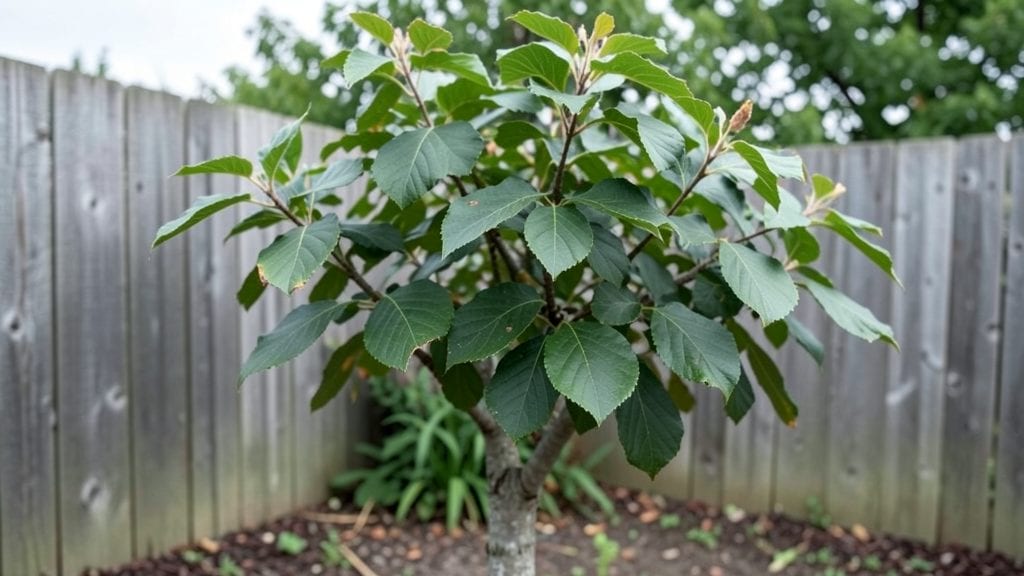
Sugarberry tree leaves aren’t just pretty—they’re the secret ingredient in my homemade tea and seasoning blends. 🌿 I’ve learned the hard way that ignoring leaf health means bitter harvests and stunted growth, so I now check for yellowing, browning, or weird spots every spring.
The key is catching problems early, whether it’s spider mites hiding on the undersides or powdery mildew creeping in after rainy spells.
Most issues boil down to three things: water (too much or too little), pests (those tiny invaders love sugarberry leaves), and nutrients (drought or poor soil turns leaves into sad, brittle paper). My go-to fix?
A mix of neem oil for pests, proper spacing for airflow, and a slow-release fertilizer in early spring. Once you’ve got healthy leaves, they’re shockingly versatile—steep them for tea or dry them for a savory seasoning that tastes like sunshine and earth.
📚 In This Guide
- What you need
- Instructions
- Tips and common mistakes
- Wrapping up and next steps
What you need
- ● Fresh sugarberry tree leaves – Harvest 1–2 cups (about 20–40g) of healthy, mature leaves (avoid wilted or pest-damaged ones).
- ● Pruning shears or sharp scissors – For clean cuts without damaging the tree.
- ● Large bowl or basket – To collect leaves without crushing them.
- ● Clean water – For rinsing leaves (filtered or boiled is best).
- ● Cheesecloth or fine mesh strainer – For straining tea or rinsing debris.
- ● Medium saucepan – For boiling water (if making tea).
- ● Air-tight container or paper bags – For storing dried leaves (if preserving).
- ● Food dehydrator or oven – For drying leaves efficiently (set to 175°F/80°C).
- ● Mortar and pestle – For crushing dried leaves into a fine powder for seasoning.
- ● Essential oils (e.g., cinnamon or vanilla) – To enhance tea or seasoning flavors.
- ● Gloves – If harvesting near thorny branches or in hot weather.
- ● Labeling tags – To mark dried leaves with harvest dates.
Step-by-step guide to harvesting and preparing sugarberry tree leaves
Here's how to safely gather and use these versatile leaves for tea and seasoning.
🌿 Step 1: Identify and Select Healthy Leaves
Sugarberry leaves are medium-sized with serrated edges and a slightly fuzzy texture. Only harvest from mature trees with 3-4 year growth or older—they produce the most flavorful, less bitter leaves. Look for bright green, disease-free leaves between 12-18 inches long, avoiding any with brown spots, holes, or curled edges.
I pick leaves from the middle to upper third of the tree to encourage new growth lower down. The best time to harvest is in late spring to early summer, when leaves are fully developed but before they harden in summer heat. Avoid harvesting after rain or when dew is present—wet leaves bruise easily and attract pests.
💧 Step 2: Wash and Prepare Leaves Properly
Spread your harvested leaves on a clean towel or mesh screen to air-dry for 10-15 minutes to remove surface moisture. This prevents mold during washing. Fill a large bowl with cold water and gently swish the leaves to remove dirt and insects. Never soak them—they'll turn mushy and lose flavor.
Drain the leaves thoroughly and pat them dry with a clean towel. At this stage, you'll notice the leaves have a fresh, slightly sweet aroma. If you're using them fresh for tea, skip drying and proceed to steeping. For long-term storage, move to the next step immediately after drying.
☀️ Step 3: Dry Leaves for Storage or Seasoning
Arrange leaves in a single layer on a dehydrator tray or hang them in small bundles with twine in a well-ventilated, dry area away from direct sunlight. A dehydrator set to 95°F will dry them evenly in 4-6 hours. If air-drying, expect 3-5 days depending on humidity levels.
Dried sugarberry leaves should be crisp but not brittle, with a deep green color. Store them in airtight containers away from light and moisture. Properly dried leaves retain their flavor for up to 1 year. For seasoning, you can crush dried leaves lightly between your fingers—this releases their aromatic oils.
🌱 Step 4: Prepare Leaves for Tea or Seasoning
For tea, steep 1-2 tablespoons of dried leaves in 1 cup of boiling water for 5-7 minutes. The longer you steep, the stronger (and slightly more bitter) the flavor becomes. Strain and enjoy—you'll notice a mildly sweet, earthy taste with hints of vanilla.
For seasoning, crush dried leaves and sprinkle over dishes just before serving. They pair beautifully with grilled meats, soups, or salads. A little goes a long way—start with ½ teaspoon per serving and adjust to taste. Fresh leaves can also be finely chopped and used like spinach in cooked dishes.
✂️ Step 5: Prune for Sustainable Harvesting
After harvesting, use clean, sharp pruning shears to trim back any overgrown branches. This encourages bushier growth and more abundant leaves next season. Cut just above a leaf node or bud to promote new shoots. I like to prune in early spring before new growth begins—this gives the tree time to recover before summer heat.
Remove any dead or diseased branches completely. Never remove more than 20% of the tree's foliage in one season—this ensures the tree stays healthy and continues producing leaves for future harvests. With proper care, a sugarberry tree can provide leaves for decades.
Tips & tricks for perfect sugarberry leaf harvesting
These simple strategies will help you get the most flavor and quality from your sugarberry leaves every time.
Timing is Everything: That 10-15 minute air-drying step in Step 2 is crucial—it removes just enough moisture to prevent mold during washing without making the leaves limp. I learned this the hard way after trying to wash leaves straight from the tree and ending up with a slimy mess. Trust me, those few minutes save you from a ruined harvest.
Dehydrator vs Air-Drying: If you're using a dehydrator at 95°F for 4-6 hours, spread the leaves on the trays with space between them—crowding can trap moisture and create uneven drying. For air-drying, choose a spot with good airflow but no direct sunlight, which can bleach the leaves and fade their flavor. A covered porch or attic works perfectly.
Storage Wisdom: Once your leaves are properly dried and stored in airtight containers, they'll keep their flavor for up to 1 year—but there's a trick to extend this even longer. Add a small packet of silica gel or a slice of bread to absorb moisture. I also like to label my containers with the harvest date so I can use the oldest leaves first.
Tea Steeping Secrets: For that perfect 5-7 minute steep time in Step 4, use a fine-mesh strainer or tea infuser rather than a regular tea bag. Sugarberry leaves are heartier and need more room to unfurl properly. If you want a stronger tea, start with 2 tablespoons instead of 1, but don't exceed 7 minutes of steeping—beyond that, the flavor turns bitter.
Pro Tips for Sugarberry Tree Leaves
- These simple strategies will help you get the most flavor and quality from your sugarberry leaves every time.
- Timing is Everything: That 10-15 minute air-drying step in Step 2 is crucial—it removes just enough moisture to prevent mold during washing without making the leaves limp.
- Dehydrator vs Air-Drying: If you're using a dehydrator at 95°F for 4-6 hours, spread the leaves on the trays with space between them—crowding can trap moisture and create uneven drying.
Frequently asked questions
Got questions about harvesting and using sugarberry tree leaves? You’re not alone!
Here are answers to the most common queries—from identification to prep—so you can confidently turn those leaves into tea, seasoning, or more.
How do I tell sugarberry tree leaves apart from other similar leaves?
Sugarberry (Celtis laevigata) leaves are oval-shaped, 2–5 inches long, with slightly wavy edges and a dull green color. Unlike sycamore or hackberry, they lack prominent veins or lobes. Check for small, round fruits (sugarberries) in fall—this confirms the tree! If unsure, snap a photo and compare with online guides.
When is the best time to harvest sugarberry leaves for tea?
The peak flavor window is late spring to early summer, just before flowering. Avoid harvesting after heavy rain (leaves absorb pollutants) or in extreme heat (bitterness increases). Morning harvests yield the freshest leaves. For drying, pick on a sunny, dry day—this preserves flavor and prevents mold.
Can I use sugarberry leaves if I don’t have a fresh tree nearby?
Dried sugarberry leaves
work well for tea or seasoning—just store them in an airtight container away from light. For a shortcut, try frozen leaves: Wash, pat dry, and freeze in ice cube trays. Thaw as needed for soups or teas. Pro tip: Buy from trusted foragers or specialty herb shops labeled "wildcrafted."
How do I fix bitter-tasting sugarberry tea?
Bitterness often means overharvesting old leaves or using them past their prime. Try these fixes:
- Steep younger leaves (harvested in spring) for 3–5 minutes max.
- Add honey, lemon, or cinnamon to balance flavors.
- Use 1 part leaf to 4 parts water (too much leaf = bitterness).
- Try infusing with fruit (e.g., berries or citrus peels) for sweetness.
Are sugarberry leaves safe to eat raw, or should I cook them?
While young, tender leaves can be eaten raw (like spinach), most people prefer cooked or dried leaves to reduce tannins and improve digestibility. For raw use, lightly wilt leaves in hot water first. Warning: Avoid leaves from urban areas (pollution risk) or trees treated with pesticides. When in doubt, cook!
Wrapping up and next steps
Exploring the edible wonders of sugarberry tree leaves opens up a world of flavor and sustainability—whether you're brewing a fragrant tea or adding a unique twist to your meals.
From identifying the right leaves to harvesting and preparing them safely, every step brings you closer to a delicious, nature-inspired culinary adventure. 🌿
Now that you’re equipped with the knowledge, why not start small? Try making a simple tea with fresh leaves or experiment with a small batch of seasoning in your next dish. Share your creations with fellow foragers or gardeners—you might inspire someone else to discover this hidden gem! 🍃