
Container Gardens
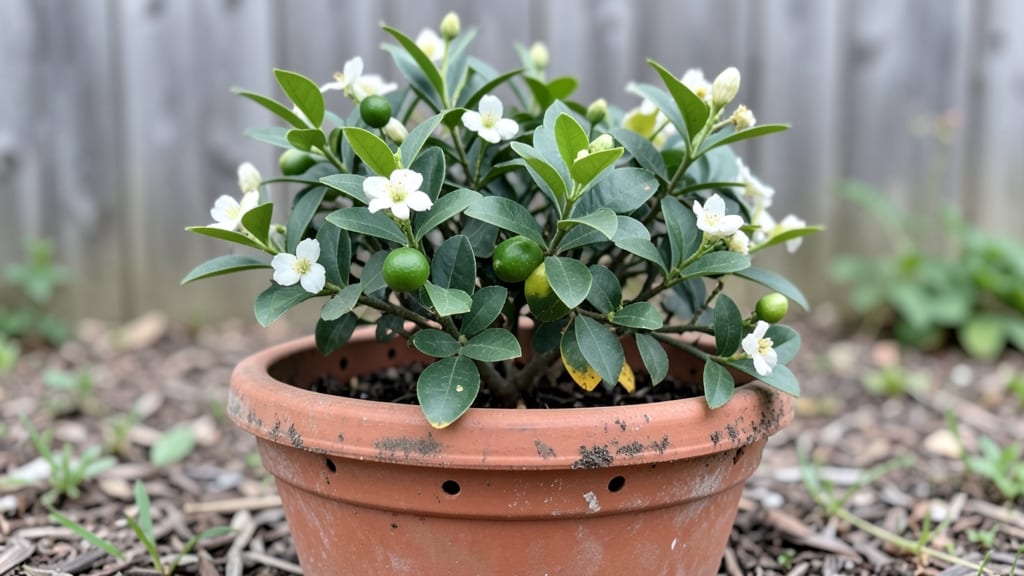
A container lime tree can turn your patio into a fragrant citrus oasis—imagine plucking fresh limes while enjoying the sweet, floral scent. 🌿 I started with a dwarf Meyer lime tree in a 15-gallon pot, and within three years, it grew tall enough to create a living privacy screen along my balcony.
The key isn’t just the right variety—it’s the container, soil, and sunlight working together to keep it thriving.
The right setup makes all the difference. You’ll need a wide, sturdy container (at least 15 gallons for mature trees) with drainage holes, a well-draining citrus potting mix, and a spot that gets 6-8 hours of sunlight daily.
Overwatering is the biggest mistake—let the top inch of soil dry out between waterings, and use a moisture meter to avoid soggy roots. Fertilize every 4-6 weeks with a citrus-specific formula to keep those leaves glossy and limes plentiful.
By year three, your tree will reward you with bright green foliage, fragrant white blossoms, and actual limes—small but sweet enough to use in drinks or desserts. The best part?
You can move it indoors during winter if temperatures drop below 40°F, protecting it from frost while still keeping it alive. Prune lightly in late winter to shape it and encourage new growth, but avoid heavy cuts that stress the tree.
This works for dwarf varieties like Meyer, Eureka, or Bearss limes—all adaptable to containers. The trade-off is smaller fruit, but the convenience and beauty make it worth it. Here’s how to set yours up for success from day one.
📚 In This Guide
- What you need
- Instructions
- Tips and common mistakes
- Wrapping up and next steps
What you need
- ● Container: A 5-gallon or larger pot with drainage holes (minimum 18" diameter for mature growth). Terracotta or fabric pots are ideal.
- ● Well-draining potting mix: 3-4 bags of a citrus-specific or cactus/succulent blend (avoid garden soil—it compacts!).
- ● Lime tree: A dwarf Meyer lime (Citrus × meyeri) or Key lime sapling (1-3 years old) from a nursery.
- ● Slow-release fertilizer: 1 lb of citrus-specific granules (e.g., 10-10-10 or 8-3-9 NPK ratio).
- ● Drainage layer: 1-2 inches of gravel, perlite, or pumice for the pot’s base.
- ● Watering can or hose with gentle spray: Avoid overwatering—precision is key!
- ○ Gloves & trowel: For handling soil and planting (optional but handy!).
- ● pH testing kit: Ensure soil stays slightly acidic (6.0–7.0)—lime trees hate alkaline conditions.
- ○ Mulch (optional): Pine bark or straw (1 inch) to retain moisture and regulate temperature.
- ○ Support stake (optional): For young trees if they lean—use a 3-foot bamboo stake.
- ○ Sunlight meter (optional): To confirm your space gets 6+ hours of full sun daily.
Step-by-step instructions for growing a container lime tree
Here’s how to cultivate a fragrant, productive lime tree in containers—no yard needed.
🪴 Step 1: Choose the Right Container and Drainage
Start with a 5-gallon container (minimum) with drainage holes—lime trees despise soggy roots. I use unglazed ceramic pots because they breathe better than plastic, helping prevent root rot. If your pot lacks holes, drill 3-4 ¼-inch holes in the bottom to ensure excess water escapes.
Line the bottom with 2 inches of gravel or broken pottery to elevate the root ball and improve airflow. This layer keeps roots from sitting in water while still allowing moisture to reach them. Place the pot in a saucer to catch drainage—just empty it after watering.
🌱 Step 2: Plant Your Lime Tree with Proper Soil
Fill the container with well-draining citrus potting mix—never garden soil. Lime trees need fast-draining, slightly acidic soil (pH 6.0-7.0). Mix in 20% perlite or coarse sand to prevent compaction, which can suffocate roots. Leave 1 inch of space at the top for watering.
Remove the tree from its nursery pot and loosen the roots gently if they’re circling. Place it in the center of your container, then backfill with soil, pressing lightly to remove air pockets. Water deeply until it drains from the holes—this settles the soil and removes bubbles around the roots.
☀️ Step 3: Position for Sunlight and Warmth
Lime trees thrive in full sun (6-8 hours daily), so place yours in the brightest spot—a south- or west-facing window or patio. If indoors, supplement with a grow light (12-14 hours/day) to prevent leggy growth. Rotate the pot quarter-turn weekly so the tree grows evenly toward the light.
Keep temperatures between 65-85°F—lime trees are tropical and won’t tolerate frost. If nighttime dips below 50°F, move it indoors or cover it with a frost blanket. You’ll notice new growth slowing or yellowing leaves if it’s too cold.
💧 Step 4: Water and Fertilize for Healthy Growth
Water when the top 2 inches of soil feel dry—stick your finger in to check. Overwatering is the #1 killer of container lime trees, so never let it sit in saucers of water. Instead, water deeply until it drains, then empty the saucer. In summer, you may need to water every 2-3 days; in winter, once a week is enough.
Feed every 4-6 weeks with a citrus-specific fertilizer (high in nitrogen for foliage, potassium for fruit). I use a balanced 8-8-8 or 10-10-10 diluted to half-strength to avoid burning roots. Stop fertilizing in fall to encourage dormancy if your tree is indoors.
✂️ Step 5: Prune and Maintain for Shape and Fruit
Prune in late winter or early spring to shape the tree and encourage airflow. Remove dead, crossing, or inward-growing branches with clean sterilized pruners. Cut just above a leaf node at a 45-degree angle to promote healing. Never prune more than 25% of the tree at once—this stresses lime trees.
Pinch back new growth in spring to encourage bushier growth. If you want fruit, thin clusters to 3-4 limes per branch—this ensures larger, sweeter fruit. Harvest when the limes turn yellow-green and yield slightly to gentle pressure. You’ll get your first fruit in 2-3 years with proper care!
Tips & tricks for perfect container lime tree growth
Here's what I've learned after watching my container lime trees thrive—and how to avoid the common pitfalls that sink so many others.
Container Size Matters: That 5-gallon minimum isn't just a suggestion—it's critical. Lime trees grow surprisingly fast in containers, and cramped roots lead to stunted growth. If you're dreaming of a privacy screen, start with a 10-15 gallon container for your first tree. You can always upgrade pots as the tree grows, but you can't shrink them. The extra space also gives you more room for the 2-inch gravel layer that prevents root rot.
Soil Science That Works: I've tried mixing my own citrus soil blends, but store-bought citrus potting mix is worth the investment. The key is that 20% perlite or sand—don't skip this! I've seen trees with compacted soil develop yellow leaves within weeks. Pro tip: Test your soil pH every 6 months. Lime trees need that 6.0-7.0 range, and container soil can drift over time. A simple pH test kit from the garden center solves this.
Sunlight Strategy: Those 6-8 hours of full sun are non-negotiable, but here's the secret: position your tree where it gets morning sun and afternoon shade in summer. The intense afternoon rays can scorch leaves. If you're using grow lights (12-14 hours/day), place them 6-12 inches above the tree and adjust as it grows. I learned this the hard way when my first indoor lime tree developed brown leaf tips from lightburn.
Watering Wisdom: The top 2 inches dry test works, but I've found a better method: use a wooden chopstick to check moisture. Push it in gently—if it comes out clean, water. If it has soil clinging, wait another day. In summer, I water every morning rather than every 2-3 days. This mimics natural rainfall patterns and prevents the roots from sitting in wet soil between waterings. Empty that saucer after each watering—it's the best way to prevent root rot.
Pro Tips for Container Lime Tree
- Here's what I've learned after watching my container lime trees thrive—and how to avoid the common pitfalls that sink so many others.
- Container Size Matters: That 5-gallon minimum isn't just a suggestion—it's critical.
- Soil Science That Works: I've tried mixing my own citrus soil blends, but store-bought citrus potting mix is worth the investment.
Frequently asked questions
Got questions about growing a container lime tree? You’re not alone! Here are some of the most common concerns—plus quick, practical answers to help you succeed.
How fast will my container lime tree grow?
A container lime tree can grow surprisingly fast—expect 1–2 feet per year with proper care. In ideal conditions (full sun, regular watering, and balanced fertilizer), you could see a privacy-screen-worthy height of 6–8 feet in just 3 years. Prune lightly in late winter to encourage bushier growth!
Can I keep my lime tree in a container year-round?
Yes, but with a few adjustments! Move your container lime tree indoors (or to a sheltered spot) when temperatures drop below 30°F (-1°C). Choose a bright, cool room (like a garage with natural light) and reduce watering. If you’re in a mild climate, a thick layer of mulch and a windbreak can help protect it outdoors.
How often should I water my container lime tree?
Container lime trees need consistent moisture—water when the top 1–2 inches of soil feel dry. In hot weather, this could mean every 2–3 days, while cooler months may require weekly watering. Pro tip: Use a moisture meter or stick your finger in the soil to avoid over- or under-watering!
Will my container lime tree produce fruit?
With patience and care, your container lime tree can bear fruit—though it may take 3–5 years to produce. For better yields, plant two trees (or a compatible pollinator nearby) and ensure it gets 6+ hours of sunlight daily. Thinner fruits in late spring to encourage larger, sweeter limes!
What’s the best alternative if I don’t have full sun?
If your space lacks full sun, consider a dwarf Meyer lemon tree or calamondin orange—both thrive in partial shade (4–6 hours of sun) and still offer fragrant blooms and citrus fruit. For a non-fruiting option, a container-friendly citrus like a ‘Eureka’ lemon (pruned aggressively) can work too!
Wrapping up and next steps
Growing a container lime tree is a rewarding way to enjoy fragrant citrus and natural privacy in just a few years!
With the right care—sunlight, well-draining soil, and consistent watering—you’ll have a thriving, aromatic privacy screen that brightens any space. Don’t wait—start your lime tree today and savor the sweet rewards of container gardening!
🌱 Next Steps:
- Pick your favorite lime variety (like Meyer or Eureka) and grab the supplies you need.
- Plant your tree in a sunny spot and keep it happy with regular care.
- In 3 years, you’ll be harvesting limes and enjoying the lush greenery!