
Pruning
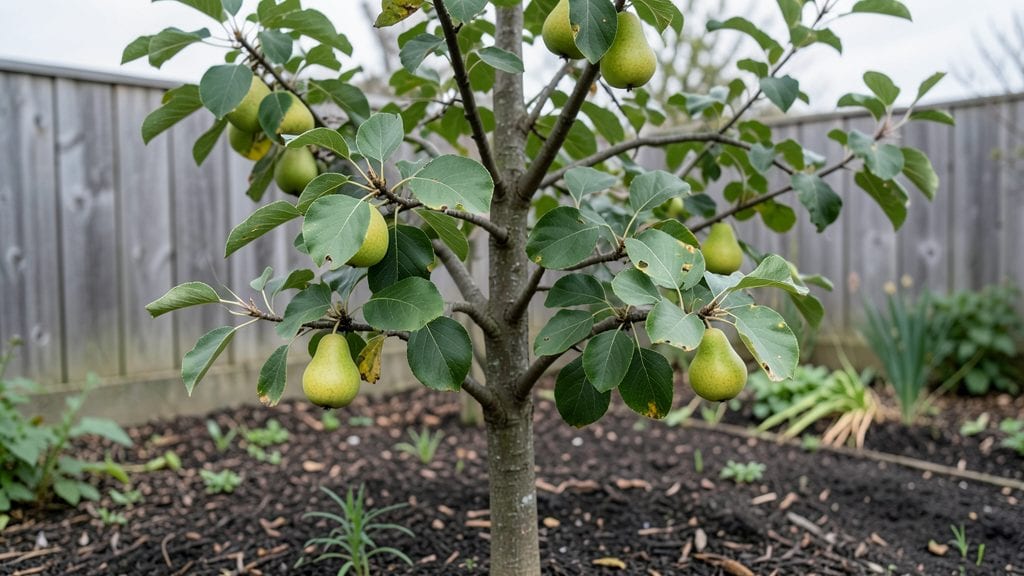
The Danjou pear tree delivers year-round privacy with its lush, dense foliage and fragrant spring blossoms that turn heads before the fruit even ripens. 🌿 I planted mine last spring after years of struggling with flimsy ornamental trees that never quite blocked the neighbor’s view—and this one actually does the job while giving me pears too.
The secret lies in its compact growth habit and disease resistance, which means less fuss and more fruit.
This French variety thrives in USDA zones 5-8, where it handles both summer heat and winter chills better than most pears.
You’ll need well-draining soil with a slightly acidic pH (6.0-6.5) and a spot with 6-8 hours of sun daily—though it tolerates partial shade better than many fruit trees. The real game-changer? Its dwarf rootstock keeps it under 15 feet tall, perfect for small yards or privacy screens.
Just avoid soggy soil, and you’re golden.
By late summer, you’ll be harvesting golden, buttery pears that stay fresh for weeks—no special storage needed. The tree’s dense branches also mean fewer gaps for pests, and its resistance to fire blight (a common pear tree killer) makes it a low-maintenance star.
With the right pruning, you’ll get both privacy and harvests for decades. Let’s get your tree growing right.
Works as a standalone screen, mixed with other shrubs, or even as a large patio focal point. The only catch? You’ll need two trees for pollination unless you find a self-fertile variety nearby.
Once established, it’s basically set-and-forget—just feed it in early spring and prune after harvest. That’s privacy with a side of fruit.
📚 In This Guide
- What you need
- Instructions
- Tips and common mistakes
- Wrapping up and next steps
What you need
- ● Pruning shears: Bypass pruners with bypass blades (4–6" cutting capacity) for clean cuts on small branches.
- ● Loppers: 1 pair (8–10" cutting capacity) for thicker branches (½–1½" diameter). Look for ratcheting or bypass models.
- ● Pruning saw: 1 handheld saw (10–12" blade) for branches over 1½" in diameter.
- ● Extension pole: 1 (6–10 ft) with a pruning saw or shears attachment for high branches.
- ● Disposable gloves: 1 pair of gardening gloves (nitrile-coated for grip and protection).
- ● Rubbing alcohol (70%+) or bleach solution: 1 small bottle/spray for sterilizing tools between cuts.
- ○ Sealing wax or pruning paint: 1 small tub (optional but recommended for cuts over ½").
- ● Heavy-duty trash bags: 2–3 for collecting pruned branches and debris.
- ● Ladder: 1 sturdy extension ladder (20–30 ft) if the tree is tall or dense.
- ● Tree pruning rope: 1 roll (for securing branches during heavy cuts).
- ● Handheld leaf blower: 1 (for clearing debris post-prune).
- ● Notebook & pencil: To sketch a pruning plan before you start.
- ● Safety glasses: 1 pair (to protect against flying debris).
- ● Check the weather: Prune on a dry, cool day (avoid extreme heat or wind).
- ● Timing matters: For Danjou Pear Trees, prune in late winter/early spring (before buds swell) or summer (after blooming).
- ● Know your tree: Familiarize yourself with the Danjou’s growth habits—it’s a semi-dwarf variety, so aim for an open-center shape for airflow.
- ● Safety first: Wear closed-toe shoes and avoid working alone if the tree is large.
Step-by-Step instructions for planting and caring for a Danjou pear tree
Here's my go-to method for establishing a Danjou pear tree that thrives year after year.
🌱 Step 1: Choose the Right Planting Site and Prepare the Soil
Select a location with full sun exposure—at least 6-8 hours of direct sunlight daily. Danjou pears need space to grow, so plant it 15-20 feet away from buildings or fences to allow for mature width. The tree's dense foliage will eventually create a natural privacy screen.
Test your soil's drainage by digging a 12-inch deep hole. If water pools after 30 minutes, amend the soil with 2-3 inches of compost mixed into the top 12 inches of soil. Danjou pears prefer slightly acidic to neutral soil with a pH between 6.0 and 7.5. You can test your soil's pH with a simple kit from your local nursery.
🪴 Step 2: Plant the Danjou Pear Tree Properly
Dig a planting hole that's twice as wide as the root ball but no deeper. Gently remove the tree from its container and loosen any circling roots with your fingers. Place the tree in the hole so the top of the root ball sits 1-2 inches above ground level—this prevents water from pooling around the trunk.
Backfill the hole with native soil, tamping it down lightly as you go to remove air pockets. Water the tree deeply to settle the soil around the roots. Create a 3-inch deep watering basin around the base of the tree to help direct water to the roots. Mulch the area with 2-3 inches of organic mulch, keeping it 6 inches away from the trunk to prevent rot.
☀️ Step 3: Water and Fertilize for Healthy Growth
Water your Danjou pear tree deeply once a week during the first growing season, providing about 1-2 gallons of water per watering. The tree needs consistent moisture, especially during the first year, but avoid waterlogging the soil. Check moisture levels by sticking your finger 2 inches into the soil—if it feels dry, it's time to water.
Apply a balanced, slow-release fertilizer (such as 10-10-10) in early spring, following the package instructions. Fertilize again in early summer if new growth appears vigorous. Danjou pears are relatively low-maintenance, but a little extra care in their early years ensures strong root development and robust growth.
✂️ Step 4: Prune and Maintain Year-Round
Prune your Danjou pear tree in late winter or early spring before new growth begins. Remove any dead, diseased, or crossing branches, and thin out crowded areas to improve air circulation. Aim to maintain an open center that allows sunlight to reach the inner branches—this encourages dense foliage and better fruit production.
Monitor the tree for pests like pear psylla or borers, especially if you notice yellowing leaves, sticky residue, or sawdust-like frass. Treat infestations early with horticultural oil or insecticidal soap, following label instructions. Danjou pears are generally pest-resistant, but prevention is key to keeping your tree healthy and thriving.
🌿 Step 5: Enjoy Year-Round Benefits and Harvest Fragrant Blossoms
In spring, your Danjou pear tree will burst into fragrant white blossoms, filling the air with a sweet, delicate scent. These blossoms attract pollinators and set the stage for future fruit. While the tree produces edible pears, its primary value lies in its dense, year-round foliage, which provides excellent privacy.
By late summer, the tree's glossy green leaves create a lush, natural screen. In fall and winter, the foliage may thin slightly, but the tree's structure and branches still offer privacy. With proper care, your Danjou pear tree will grow into a stunning, low-maintenance privacy solution for years to come.
Tips & tricks for planting and caring for a Danjou pear tree
Let me share the hard-won wisdom that'll help your Danjou pear tree grow into that stunning privacy screen you're dreaming of.
Sunlight Strategy: That 6-8 hours of daily sunlight is non-negotiable for Danjou pears. If your yard has afternoon shade, consider planting near the eastern side of buildings where morning sun dominates. I've seen trees struggle when planted under mature trees that cast shade—your Danjou needs that full sun to develop its signature dense foliage.
Root Ball Preparation: When removing your tree from the container in Step 2, don't just pull it out—gently squeeze the sides to loosen the root ball. Circling roots (where roots grow around the container) can strangle your tree's growth. I always score the bottom of the root ball with my fingers to encourage outward root growth once planted. This small step makes a huge difference in long-term health.
Watering Wisdom: The once-weekly deep watering in Step 3 is perfect, but here's the secret: water in the morning so the foliage has all day to dry. Wet leaves at night invite fungal problems. Also, that 2-inch soil check is your best friend—if it feels dry at that depth, your tree needs water. I've learned the hard way that overwatering is just as damaging as underwatering for these trees.
Mulching Mastery: That 2-3 inches of organic mulch you'll add creates a perfect microclimate. Spread it evenly but keep it 6 inches from the trunk to prevent rot. I like to use wood chips because they break down slowly and improve soil structure over time. Replenish the mulch layer every spring—this simple habit keeps weeds down and moisture levels consistent without smothering your tree.
Pro Tips for Danjou Pear Tree
- Let me share the hard-won wisdom that'll help your Danjou pear tree grow into that stunning privacy screen you're dreaming of.
- Sunlight Strategy: That 6-8 hours of daily sunlight is non-negotiable for Danjou pears.
- Root Ball Preparation: When removing your tree from the container in Step 2, don't just pull it out—gently squeeze the sides to loosen the root ball.
Frequently asked questions
How fast does a Danjou pear tree grow, and when can I expect privacy?
A Danjou pear tree grows moderately fast, averaging 24–36 inches per year under ideal conditions. With proper care, you can expect a 10–15-foot-tall hedge or screen in 3–5 years. For quicker results, plant multiple trees in a staggered row or prune aggressively in the first few years to encourage bushier growth.
When is the best time to prune a Danjou pear tree for maximum blooms and density?
Prune your Danjou pear tree late winter or early spring (February–March), just before new growth begins. This timing promotes abundant spring blooms while shaping the tree. Avoid heavy pruning in fall or summer, as it can stress the tree or reduce flowering. For shaping, focus on removing dead wood, crossing branches, and thinning out crowded areas to improve airflow.
What pests or diseases should I watch for, and how do I treat them?
Danjou pear trees are generally hardy, but watch for pear psylla, fire blight, or aphids. Psylla (tiny yellow insects) can cause leaf curling—treat with neem oil or insecticidal soap. Fire blight (blackened branches) requires immediate pruning of infected areas and copper fungicide. For aphids, blast them off with water or use horticultural oil. Prevention tip: Keep the area around the tree clean and mulch properly to deter pests.
Can a Danjou pear tree survive in hot, dry climates, or does it need extra care?
Yes! Danjou pears are drought-tolerant once established (after 1–2 years), but young trees benefit from regular watering (1–2 inches per week) during dry spells. In extreme heat, provide afternoon shade for the first year and mulch heavily to retain moisture. Avoid overwatering—soggy soil invites root rot. Once mature, it thrives with minimal fuss!
Are there good alternatives if I want a fragrant, fast-growing privacy screen but need something different?
If you love the Danjou’s fragrance and speed but want variety, consider these fast-growing, fragrant options:
- Forsythia (Forsythia spp.) – Bright yellow blooms in early spring; grows 3–5 feet per year.
- Deutzia (Deutzia spp.) – Clusters of white/pink flowers; 2–3 feet annually.
- Weigela (Weigela florida) – Vibrant pink/purple blooms; 24+ inches per year.
- Lilac (Syringa vulgaris) – Classic fragrant blooms; 1–2 feet per year.
Wrapping up and next steps
Growing a Danjou pear tree isn’t just about adding beauty to your yard—it’s about creating a fragrant, private sanctuary year-round! With the right pruning techniques, you’ll ensure healthy growth, stunning blossoms, and bountiful fruit.
Whether you’re a seasoned gardener or just starting, this guide gives you the confidence to thrive with your tree.
Ready to take the next step? Mark your calendar for your first pruning session this fall—your Danjou pear tree will thank you with vibrant blooms and lush foliage come spring! 🌸✂️