
Pruning
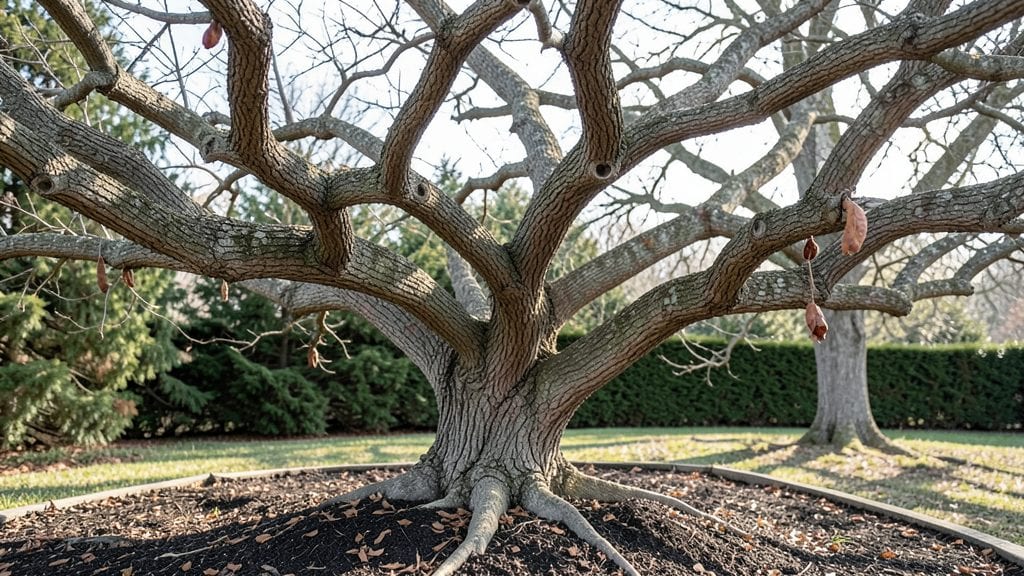
A dead magnolia tree isn’t always a lost cause—sometimes it’s just sleeping. 🌿 I’ve nursed back trees that looked hopeless with these four steps, and the key is acting fast before the roots give up entirely.
The difference between a sad, leafless skeleton and a thriving specimen often comes down to what you check first: waterlogged soil, hidden pests, or a fungal infection hiding under the bark.
Most people assume a dead magnolia means rotten roots, but half the time it’s overwatering or compacted soil suffocating the roots. I’ve seen trees revive in just 3-4 weeks once we fixed drainage and trimmed back dead branches—no fancy tools needed.
The rescue starts with a simple scratch test on the bark to see if green layers remain beneath the dead wood.
By the end of the process, you’ll know whether your tree can bounce back or needs removal. If it’s salvageable, you’ll have a step-by-step plan to restore its health, including when to prune (never in late summer!) and how to protect it from future stress.
Even if it’s beyond saving, we’ll cover how to remove it cleanly and plant a replacement that won’t repeat the same mistakes.
This works for both southern magnolias and star magnolias, whether you’re dealing with a young tree or a mature one that’s been struggling for years.
The goal isn’t just to bring it back—it’s to set it up so it stays strong for decades. Let’s get started with the first critical check.
Root Causes Of Wilted Magnolias
Magnolias are majestic, long-lived trees that can thrive for decades—but when they decline, it’s often due to a mix of environmental stress, poor care, or hidden threats. Understanding the why behind a struggling magnolia is the first step to bringing it back to life.
Below, we break down the most common culprits, from soil woes to seasonal surprises, with clear science-backed explanations.
Magnolias are tender in cold climates, especially young trees or varieties like Magnolia grandiflora (southern magnolia), which can suffer severe damage when temperatures dip below 10°F (-12°C). Here’s how it happens:
- Cold Snaps & Sudden Drops: Magnolias lack cold-hardiness genes found in native northern trees.
A hard freeze can cause cellular damage in leaves, bark, and even roots, leading to desiccation (drying out) or cambium death (the tree’s growth layer). - Winter Sun Exposure: A phenomenon called winter burn occurs when bright winter sun heats the bark, causing moisture loss.
This is especially risky for evergreen magnolias with broad leaves that can’t shed water efficiently. - Frost Cracking: Rapid temperature swings (e.g., 50°F daytime to 20°F nighttime) can split bark, exposing the tree to bacterial or fungal infections.
Actionable Fix: 🔹 Mulch heavily (4–6 inches of organic mulch like pine straw) to insulate roots. 🔹 Wrap young trees in burlap or use tree guards in exposed areas. 🔹 Avoid pruning in late summer/fall—new growth is more vulnerable to frost.
Magnolias hate soggy feet.
While they love moisture, waterlogged soil suffocates roots by: - Cutting off oxygen (roots need 10–15% air space in soil). - Encouraging root rot from Phytophthora fungi or Pythium, which thrive in anaerobic (oxygen-poor) conditions. - Leaching nutrients away, leaving the tree starved even if water is present.
Signs of Overwatering:
- Yellowing leaves that stay soft (not crisp like drought stress).
- Mushrooms or mold at the base.
- Roots that smell rotten or are mushy when probed.
Actionable Fix: 🔹 Test soil drainage: Dig a 12-inch hole, fill with water, and time how long it takes to drain. If it’s >6 hours, amend with sand or perlite. 🔹 Water deeply but infrequently—aim for 1–1.5 inches per week (more in extreme heat). 🔹 Raise beds if your yard has clay soil; magnolias prefer slightly acidic, well-draining loam (pH 5.0–6.0).
Magnolias can burn in full, hot sun, especially in:
- Drought-prone areas (leaves act like solar panels, overheating).
- Urban heat islands (pavement radiates heat, baking roots).
- Transplant shock (newly planted trees have limited root systems to cool themselves).
Symptoms:
- Brown, crispy leaf edges (unlike fungal spots, which are soft and wet).
- Premature leaf drop in summer.
- Bark splitting on the south/southwest side.
Actionable Fix: 🔹 Provide afternoon shade with light fabric shade cloth (30–50%) or nearby trees. 🔹 Mulch with 3–4 inches of wood chips to regulate soil temperature. 🔹 Water at the base (not overhead) to reduce evaporation.
Magnolias are magnet for pests and pathogens, which can girdle roots, block nutrients, or clog stomata (leaf pores). Top culprits:
| Pest/Disease | How It Kills | Tell-Tale Signs |
|---|---|---|
| Magnolia Scale | Sucks sap, weakens tree; secretes honeydew (attracts sooty mold). | Sticky residue on leaves, white/brown bumps on bark. |
| Root-Knot Nematodes | Larvae burrow into roots, forming galls that strangle water uptake. | Stunted growth, yellowing leaves, roots with lumpy knots. |
| Anthracnose Fungus | Blocks water/nutrient flow in leaves and stems. | Target-shaped brown spots with yellow halos; defoliation. |
| Bacterial Leaf Spot | Clogs stomata, causing wilting and leaf drop. | Water-soaked spots that turn black; foul odor. |
Actionable Fix: 🔹 Spray horticultural oil (for scale) in early spring (before buds swell). 🔹 Solarize soil (cover with clear plastic for 4–6 weeks in summer) to kill nematodes. 🔹 Prune infected branches (sterilize tools with 70% rubbing alcohol) and dispose of debris. 🔹 Apply copper fungicide (for anthracnose) at first sign of spots.
Even mature magnolias can die within weeks of moving if roots are severely disturbed.
Here’s why: - Root pruning removes mycorrhizal fungi (beneficial soil microbes that help absorb water/nutrients). - Exposed roots dry out faster than underground roots. - Soil disruption severs fine feeder roots, which take years to regrow.
Signs of Transplant Shock:
- Wilting despite watering.
- Leaves curling inward (a stress response).
- Premature bud drop.
Actionable Fix: 🔹 Dig a wide, shallow hole (2x wider than root ball, same depth). 🔹 Amend native soil with compost and peat moss (never fresh manure—it burns roots). 🔹 Water deeply every 2–3 days for the first month, then taper to weekly. 🔹 Use root stimulator (mycorrhizal inoculant) at planting.
Magnolias are heavy feeders but sensitive to over-fertilizing. Common deficiencies:
| Nutrient | Deficiency Signs | Cause |
|---|---|---|
| Nitrogen (N) | Pale yellow leaves, stunted growth | Poor soil or over-pruning. |
| Iron (Fe) | Yellowing between veins (chlorosis) | Alkaline soil (pH >7.0) locks it out. |
| Magnesium (Mg) | Yellow patches on older leaves | Compacted or sandy soil. |
Actionable Fix: 🔹 Test soil (pH and NPK levels) via a home kit or lab. 🔹 For iron deficiency: Apply chelated iron (not just iron sulfate, which can burn roots). 🔹 For nitrogen: Use slow-release organic fertilizer (like blood meal) in early spring. 🔹 Avoid high-phosphorus fertilizers—magnolias prefer low P (phosphorus).
Sometimes, external forces take the blame:
- Lawnmower/string trimmer wounds: Girdling (ringing the trunk) cuts off nutrient flow.
- Hail or windthrow: Torn bark or broken limbs create entry points for disease.
- Construction vibrations: Can sever fine roots without visible damage.
Actionable Fix: 🔹 Inspect the trunk for raised scars or sawdust-like bark. 🔹 Prune damaged limbs with clean cuts (no jagged edges). 🔹 Stake young trees if in a windy area to prevent root plate heave (uprooting).
Reviving Your Magnolia Tree
A dead or dying magnolia tree isn’t always a lost cause. With the right diagnosis and action, you can often nurse it back to health—or at least salvage what remains.
Below, we break down practical solutions for the most common causes of decline, from root issues to environmental stressors. Follow these steps to assess, treat, and prevent further damage.
Cause: Compacted, waterlogged, or nutrient-deficient soil can strangle your magnolia’s roots, leading to decline.
How to Fix It:
- 🔥 Aerate the Soil Use a garden fork or an aerator to loosen compacted soil around the tree’s drip line (the area directly under and slightly beyond the canopy). This improves airflow and water drainage. Pro Tip: 💡 If your soil is heavy clay, mix in 2–3 inches of compost or organic matter to enhance drainage.
- 👨🍳 Amend the Soil Magnolias thrive in slightly acidic soil (pH 5.0–6.5). Test your soil with a home pH kit (available at garden centers). If it’s too alkaline:
- Add sulfur or peat moss to lower pH.
- Avoid lime or wood ash, which raise pH.
- 💧 Improve Drainage If your tree sits in a low spot where water pools:
- Create a swale (a shallow trench) around the base to redirect water away.
- Plant deep-rooted companions (like oak trees) to break up clay soil over time.
Prevention: ✨ Mulch properly—apply 2–4 inches of organic mulch (pine straw, bark chips) 3–6 inches away from the trunk to retain moisture and regulate temperature. ✨ Avoid overwatering—magnolias hate soggy roots. Water deeply 1–2 times per week (more in extreme heat) and let the top 2 inches of soil dry out between waterings.
Cause: Too much sun, wind, or urban pollution can weaken a magnolia, making it susceptible to pests and disease.
How to Fix It:
- 🌿 Provide Shade (If Needed) If your tree is in a hot, exposed area, plant fast-growing shade trees (like crape myrtles or dogwoods) to the west or south for gradual protection. Pro Tip: 🌡️ Young magnolias (under 5 years old) benefit from 50% afternoon shade to prevent sunburn on new leaves.
- 🛡️ Shield from Wind Wind desiccates leaves and breaks branches. Install a windbreak (bamboo fence, lattice screen) on the prevailing wind side (e.g., west in coastal areas).
- 🚿 Clean the Canopy Dust, pollen, and grime clog stomata (leaf pores), reducing photosynthesis. Gently hose down leaves with a soft spray nozzle in early morning or late evening.
Prevention: ✨ Choose the right location—mature magnolias need morning sun and afternoon shade in hot climates. ✨ Prune strategically—remove crossing or rubbing branches in late winter to improve airflow.
Cause: Magnolias are prone to scale insects, borers, fungal diseases (like anthracnose), and root rot.
How to Fix It:
- 🔪 Prune Infested Branches
- Scale insects (white/brown bumps on stems): Prune and dispose of infested branches in sealed bags (do not compost).
- Borers (exit holes, sawdust-like frass): Cut out infested wood and treat with borax or neem oil.
- 🍳 Apply Organic Treatments
- Neem oil spray (1 tsp neem oil + 1 tsp mild soap per quart of water) for scale, mites, and fungal spores.
- Copper fungicide (for anthracnose) in spring and fall when leaves are wet.
- 💧 Fix Water-Related Diseases
- Root rot? Improve drainage (see Root and Soil Problems above) and stop overwatering.
- Fungal leaf spots? Water at the base (not overhead) and remove fallen leaves to prevent spores from spreading.
Prevention: ✨ Inspect monthly—check undersides of leaves and bark crevices for early signs of pests. ✨ Encourage beneficial insects—plant marigolds or dill nearby to attract ladybugs and lacewings, which eat scale and aphids.
Cause: If your magnolia is bare branches, oozing sap, or wilting despite care, it may need drastic measures.
How to Fix It:
- 🌿 Deep Root Fertilization Use a slow-release, organic fertilizer (like fish emulsion or 10-10-10) applied 6–12 inches from the trunk in early spring. Avoid high-nitrogen fertilizers—they burn roots.
- 💧 Hydration Boost Deep-water the tree once a week for 30 minutes (use a soaker hose) to encourage root regrowth.
- 🔄 Consider Rejuvenation Pruning (Last Resort) If the tree is mostly dead but has some green growth, perform a hard prune in late winter:
- Cut back 1/3 of the oldest, thickest branches to just outside the branch collar.
- This stimulates new growth but may reduce flowering for a season.
Prevention: ✨ Monitor stress signs early—yellowing leaves, wilting, or epinasty (curling downward) mean it’s time to act. ✨ Avoid transplant shock—if you must move a magnolia, do it in late winter/early spring and water heavily for 3 months.
Final Note: Some magnolias may not recover if roots are completely dead or disease has spread systemically. In such cases, removing the tree and replanting may be the kindest option. But with patience and the right care, many "dead" magnolias stage a remarkable comeback! 🌿✨
Frequently asked questions
How can I tell if my magnolia tree is truly dead or just dormant?
Scratch a small section of bark—if green layers remain beneath, the tree may still be alive! For evergreens, check for fresh growth at branch tips or buds along stems. If branches snap like dry twigs and no green shows, it’s likely dead. Test roots too: dig down 6–12 inches—white or light tan roots mean life; black/mushy roots indicate rot.
Can I revive a magnolia tree that’s been dead for over a year?
Unlikely, but not impossible if roots are still intact. Start by removing all dead wood (sterilize tools with 70% rubbing alcohol) and check for green shoots at the base. If roots are alive but dormant, deep-water weekly for 4–6 weeks and apply mycorrhizal fungi to stimulate regrowth. For trees beyond saving, focus on removal and replanting.
What’s the best time of year to prune a dead magnolia tree?
Late winter (just before buds swell) is ideal for removal or structural pruning. Avoid pruning in late summer/fall—new growth is vulnerable to frost. If the tree is partially alive, prune dead branches anytime, but wait until dormant season for major cuts to minimize stress. Always cut just outside the branch collar to prevent damage.
My magnolia’s bark is peeling—is this normal or a sign of trouble?
Peeling bark is often normal for magnolias, especially as they mature. However, if you see oozing sap, dark streaks, or holes, it could signal bacterial infection, borers, or frost damage. Scrape a small area—healthy bark is smooth and light brown; infected bark may be sunken or discolored. Treat with copper fungicide if needed.
Should I replant a magnolia in the same spot after removal?
No—soil in the original location is likely compacted or diseased. Dig a new hole twice as wide as the root ball, amend with compost and peat moss, and plant 6–12 inches deeper than the original hole. Choose a site with morning sun and afternoon shade to prevent stress. Avoid replanting for at least 2 years if the old tree had root rot.