
Trees
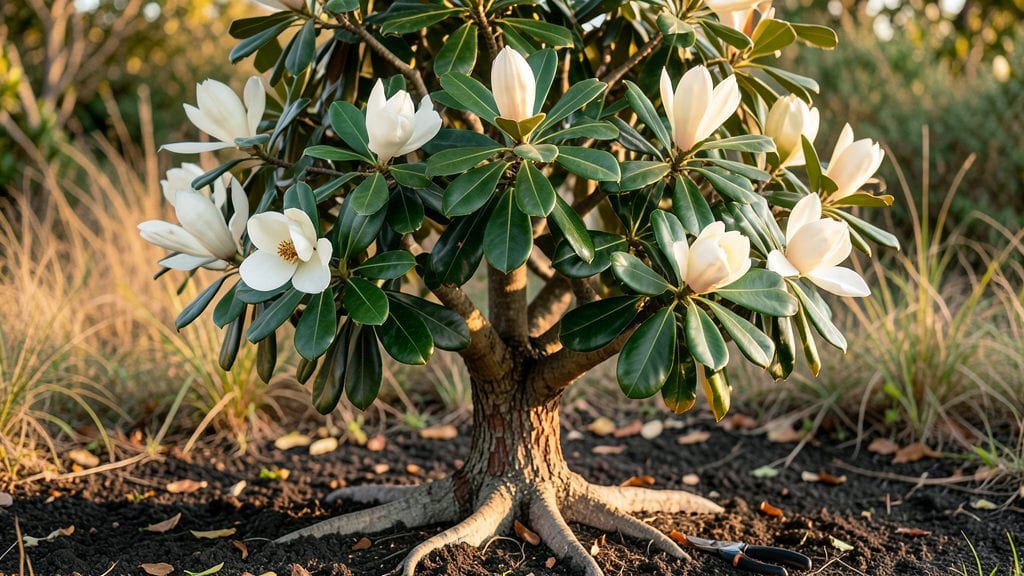
Do magnolia trees need full sun, or do they prefer a gentler balance of bright morning rays and afternoon shade—especially in hot climates like USDA Zone 6a?
Struggling to decide where to plant your magnolia tree? The wrong light conditions can stunt its growth, reduce blooms, or even kill it—so understanding its sun needs is critical for success.
While they can handle some full sun, too much direct afternoon heat can scorch leaves and stress the tree, especially in southern varieties. Instead, aim for a spot with dappled light or morning sun paired with shade in the hottest hours.
Below, I’ll break down the ideal light setup, how to spot signs of poor exposure, and creative solutions for low-light gardens so your 🌸 magnolia thrives year after year.

How much sun do magnolia trees actually need for optimal growth?
If you're wondering do magnolia trees need full sun, the answer isn't as straightforward as you might think. While magnolias are often described as sun-loving trees, their ideal light conditions vary dramatically by species.
Southern magnolias like Magnolia grandiflora can handle more direct sunlight, while deciduous varieties such as Magnolia stellata often thrive in partial shade. Understanding these differences is key to ensuring your magnolia reaches its full potential.
The biggest misconception is that all magnolias require 6+ hours of full sun daily. In reality, many varieties—especially those native to cooler climates—prefer morning sun with afternoon shade. This protects their delicate leaves from leaf scorch during peak summer heat.
Let's break down the exact light requirements for the most popular magnolia species to help you make the best planting decision.
Southern magnolias, like the evergreen magnolia grandiflora, are the most sun-tolerant variety. They can handle 6-8 hours of direct sunlight daily, making them ideal for south-facing yards or areas with minimal shade.
However, even these hardy trees benefit from afternoon shade in regions with intense summer heat, like the Deep South. Without protection, their thick, leathery leaves can develop brown edges or leaf scorch.
Deciduous magnolias, such as the star magnolia (Magnolia stellata), have a different story. These trees often thrive in partial shade, especially in hotter climates. They produce their stunning spring blooms even with just 4-6 hours of filtered sunlight.
Planting them on the north or east side of your property can prevent leaf burn while still allowing them to flower beautifully. In cooler climates, they can even handle full sun without issues.
Hybrid magnolias, like the popular 'Ann' magnolia or 'Black Tulip', strike a balance between the two. They need 5-7 hours of sunlight but must avoid harsh afternoon rays. A west-facing location with partial afternoon shade—perhaps from a nearby tree or lattice—works best.
This setup ensures they get enough light for vibrant blooms while protecting their leaves from heat stress.
For dwarf magnolias, such as Magnolia 'Little Gem', the rule is simpler: more shade is better. These compact trees prefer 3-5 hours of morning sun and do best under the canopy of larger trees or against north-facing walls.
Their smaller size makes them perfect for urban gardens or small yards, where full sun exposure can be limited. Over-exposing them can lead to weak growth and fewer flowers.
One common mistake gardeners make is assuming that 'full sun' means all-day exposure. In reality, morning sun is gentler than afternoon sun, especially in hot, dry climates.
If you're planting a magnolia in a south-facing spot, consider adding a light canopy or trellis to filter the sun during peak hours. This small adjustment can make a huge difference in your tree's health and flowering potential.
Another critical factor is your local climate. In cooler regions, like the Pacific Northwest, magnolias can often thrive in full sun year-round. But in hot, humid areas, such as Florida or Texas, they may struggle without afternoon shade.
Pay attention to how your magnolia responds in its first growing season—leaf color, growth rate, and bloom quantity are all clues about whether it's getting the right amount of light.
If you're unsure
Signs your magnolia tree isn’t getting the right light exposure
Your magnolia tree might be silently struggling if it’s not getting the right light exposure. Unlike some sun-loving plants, magnolias prefer morning sun and afternoon shade, especially in hot climates.
Too much direct sun can cause leaf scorch, while too little can lead to weak stems and fewer blooms. Watch for these visual cues to diagnose light issues early.
If your magnolia leaves develop brown edges or yellow patches, it’s likely suffering from over-exposure.
This leaf scorch often appears on the south-facing side of the tree, where sunlight is most intense. Southern magnolias are slightly more tolerant of full sun, but even they can show signs of stress if exposed to harsh afternoon rays without relief.
On the other hand, pale, sparse foliage or weak, leggy growth signals under-exposure.
Your tree might be stretching toward light sources or producing smaller leaves as it struggles to photosynthesize efficiently. Deciduous magnolias, like the saucer magnolia, are particularly sensitive to low light and may skip flowering entirely if deprived.
Do Magnolia Trees Need Full Sun?
- Prevents leaf scorch
- Encourages lush blooms
- Reduces water stress
- Brown leaf edges
- Stunted growth
- Fewer flowers
Morning sun (6 AM–12 PM) + afternoon shade (12 PM–6 PM)
Harsh afternoon sun (especially in Zone 7+)
If you suspect your magnolia tree is in the wrong light spot, start by pruning nearby branches to reduce competition and improve airflow. For over-exposed trees, install a lightweight shade cloth (30–50% coverage) during peak afternoon hours.
In shady spots, consider transplanting to a sunnier location or adding a reflective surface (like a mirror or white wall) to bounce extra light onto the tree.
For evergreen magnolias, like the sweetbay magnolia, even partial shade is better than full sun in hot climates. These varieties often thrive under dappled sunlight, such as near large trees or on east-facing sides of buildings.
If your tree is already established, mulching with organic matter can help regulate soil temperature and reduce stress from poor light conditions.
Remember, magnolia blooms are a direct response to light—too little, and your tree may produce fewer or smaller flowers. By adjusting its environment now, you can restore healthy growth and vibrant blooms for years to come. 🌸