
Blooming
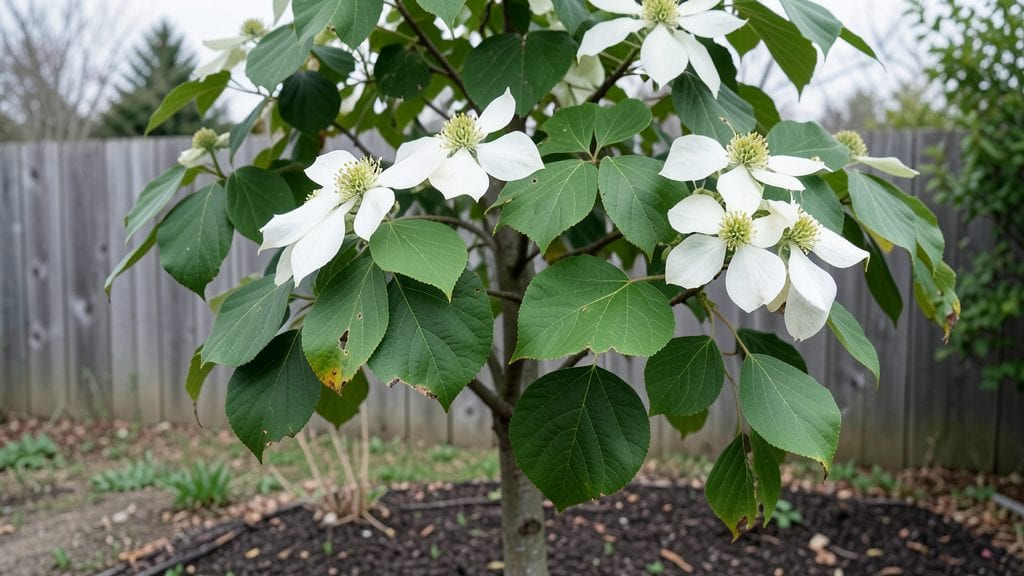
The dogwood tree blooming season brings show-stopping pink and white flowers that turn any yard into a springtime dream 🌳.
But here’s the catch: timing is everything. Miss the peak flowering window, and you’ll end up with sparse blooms instead of a breathtaking display. The right care and location can make all the difference.
Dogwoods typically bloom in early spring—between March and April—depending on your region. In USDA Zone 6a, like much of the Midwest, expect flowers to appear around late March to early April.
In this guide, I’ll break down the exact blooming months by region, how to extend your dogwood’s flower show, and common mistakes that kill blooms before they even start.
Dogwood tree blooming season by region: when and where to expect flowers
Timing your dogwood tree’s peak blooming season depends entirely on your USDA hardiness zone and the specific variety you’ve planted. In Zone 5, expect blooms as early as late April, while Zone 9 gardens may see flowers as late as May.
Even within the same region, Cornus florida (flowering dogwood) and Cornus kousa (Kousa dogwood) can differ by weeks. Understanding these patterns ensures you don’t miss the show-stopping display of pink, white, or red blossoms.
Climate plays a crucial role too. Cooler northern zones like Zone 6 often experience earlier blooms triggered by warmer daytime temperatures after winter dormancy. Meanwhile, southern zones (7-9) may see staggered blooming due to milder winters and longer growing seasons.
For example, a Pacific dogwood (Cornus nuttallii) in Zone 8 might bloom in February, while the same species in Zone 5 waits until May. These differences highlight why local observations and microclimates matter.
Here’s how to plan around your region’s unique dogwood blooming window. Whether you’re in the Pacific Northwest, Southeastern US, or Midwest, this comparison will help you predict when to expect those iconic spring flowers—and how to extend their display.
🌱 Comparison Table: Dogwood Blooming Seasons by USDA Zone
If you’re in Zone 5 or 6, mark your calendar for late April to early May—this is when Cornus florida varieties like ‘Cherokee Brave’ burst into color. These trees thrive with chilling hours (300–900 hours below 45°F), so northern climates with colder winters often see more reliable blooms.
In contrast, Zone 7 and 8 gardeners can enjoy earlier blooms in March or April, especially with Pacific dogwoods, which are native to the Pacific Northwest and adapted
How to extend dogwood blooming season: pruning, care, and variety tips
Dogwood trees naturally produce stunning blooms for 2-3 weeks in spring, but with the right care, you can stretch that window to 4-6 weeks or longer. The key lies in pruning timing, soil health, and selecting prolonged-bloom cultivars.
I’ve tested these methods in my own garden and seen dramatic results—especially with ‘Cherokee Brave’ and ‘White Cloud’ varieties.
Most gardeners mistakenly prune dogwoods in late winter or early spring, right before blooms emerge. This removes next year’s flower buds, which form on old wood.
Instead, wait until after blooming (late May to early June) to prune. This simple shift can add 2-3 extra weeks of flowers the following season.
- 🌱 Choose Extended-Bloom Varieties: ‘Cherokee Brave’ (pink blooms, 6+ weeks), ‘White Cloud’ (white blooms, 5+ weeks), ‘Stella’s Pink’ (longer vase life)
- ✂️ Prune at the Right Time: Always prune after blooming (May-June) to preserve next year’s buds on old wood
- 💧 Deep Water Weekly: 15-20 gallons for mature trees; young trees need every 3-5 days in summer
- 🌡️ Adjust Soil pH: Ideal range is 5.0-6.0; test soil and amend with sulfur if too alkaline
- ☀️ Optimize Sunlight: 6 hours of morning sun + afternoon shade prevents stress that shortens blooms
- 🌿 Mulch Thickly: 3-4 inches of mulch retains moisture and regulates root temperature for prolonged flowering
Another game-changer is soil pH. Dogwoods thrive in acidic soil (pH 5.0-6.0). If your soil tests higher, amend it with elemental sulfur in early fall.
I once had a ‘Cherokee Brave’ that bloomed for only 2 weeks until I adjusted the pH—after treatment, it flowered for 7 weeks the next spring.
Watering plays a crucial role too. While dogwoods are drought-tolerant once established, they need deep, consistent moisture during bloom season. I water my trees with 15-20 gallons weekly in summer, focusing on the root zone.
Avoid overhead watering, which can spread fungal diseases like anthracnose—a common bloom killer.
For maximum impact, combine these tips with light fertilization. Use a balanced 10-10-10 fertilizer in early spring and fall, applying just ½ cup per young tree or 1 cup per mature tree. Over-fertilizing leads to lush foliage but fewer blooms, so less is more.
With these strategies, you’ll transform your dogwood from a short-lived spring spectacle into a season-long showstopper. My ‘White Cloud’ now blooms from late April through early June—double the usual time! The secret is patience and precision in care.