
Flowers
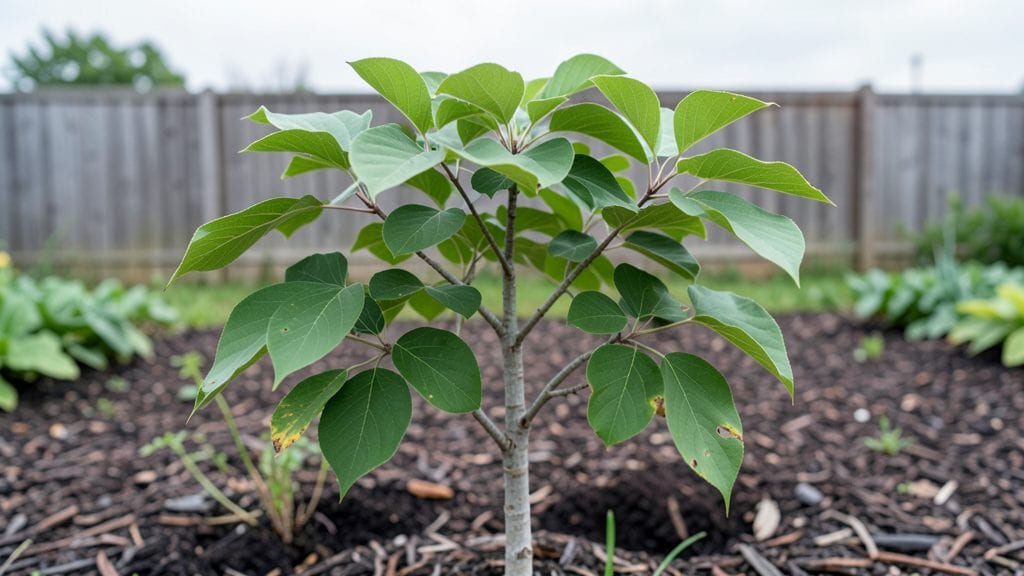
A dogwood tree without flowers still delivers stunning foliage and structure—it just needs a little troubleshooting to get those showstopping blooms back. 🌿 I’ve seen dogwoods go from bare branches to lush, flowering stars by fixing just one overlooked issue, whether it’s sunlight, nutrients, or hidden pests.
The most common culprits are insufficient sunlight (dogwoods need 6+ hours daily) and poor pruning—cutting at the wrong time or too aggressively. Nutrient deficiencies, especially potassium or phosphorus, can also steal energy from blooms. Even diseases like anthracnose (those dark spots on leaves) drain the tree’s resources.
Here’s the good news: most fixes are simple. Adjusting pruning timing, adding a balanced fertilizer in early spring, or moving the tree to a sunnier spot can spark new blooms within a season. For disease, clean up fallen leaves and use fungicide if needed.
This isn’t just about flowers—it’s about keeping your dogwood healthy enough to handle pests, drought, and seasonal stress. With the right care, you’ll get that year-round privacy screen and springtime drama. Let’s get your tree back on track.
Root Causes Of Missing Blooms
Dogwood trees (Cornus florida) are prized for their stunning spring flowers, but when they fail to bloom, it’s often due to a mix of environmental, biological, or cultural factors.
Understanding these causes helps you diagnose—and fix—the issue before it’s too late. Below, we break down the most common reasons your dogwood isn’t flowering, with clear explanations and actionable insights.
Dogwoods are dormant-season plants, meaning they require a specific number of chill hours (temperatures between 32–45°F or 0–7°C) to trigger flowering. Without enough cold exposure, the tree skips bloom production entirely.
Why it happens:
- Modern climate shifts (warmer winters) reduce chill hours below the tree’s threshold (typically 500–1,000 hours, depending on the cultivar).
- Urban heat islands (paved areas, buildings) trap warmth, further limiting cold exposure.
- Young trees (under 5–7 years old) may not have built up enough energy reserves to flower reliably.
Actionable fix:
- Plant in cooler microclimates (north-facing slopes, shaded areas).
- Use shade cloth in late fall to extend chill exposure if winters are mild.
- Choose cold-hardy cultivars like ‘Cherokee Brave’ or ‘Rubra’ if your region lacks chill hours.
Dogwoods are light feeders, but nutrient deficiencies or imbalances (especially phosphorus and potassium) can stunt flower buds. Over-fertilizing with high-nitrogen products (like lawn fertilizers) also shifts energy toward leaf growth instead of blooms.
Why it happens:
- Compacted or poor soil limits root access to nutrients.
- Over-fertilization (especially with synthetic nitrogen) promotes foliage at the expense of flowers.
- pH imbalances (soil too acidic <5.0 or alkaline >7.0) lock out essential minerals like magnesium and calcium.
Actionable fix:
- Test soil pH (ideal range: 5.5–6.5) and amend with lime (to raise pH) or sulfur (to lower pH) if needed.
- Apply a balanced, slow-release fertilizer (e.g., 10-10-10 or 5-10-10) in early spring before buds swell.
- Mulch with compost (2–3 inches) to improve soil structure and microbial activity.
Dogwoods thrive in partial shade (4–6 hours of sun/day), but too much sun or shade can disrupt flowering. Excessive heat stress or lack of sunlight weakens the tree’s ability to produce blooms.
Why it happens:
- Full-sun exposure (especially in hot climates) causes water stress, diverting energy away from flowers.
- Deep shade (under dense canopies) starves the tree of the photosynthesis energy needed for bud development.
- Recent transplant shock (if moved in late summer/fall) delays flowering for 1–2 years as roots establish.
Actionable fix:
- Prune nearby trees to increase dappled sunlight (avoid harsh afternoon sun).
- Water deeply 1–2x/week during dry spells to reduce heat stress.
- Avoid transplanting in late summer/fall—wait until early spring for best recovery.
Borers, scale insects, and fungal diseases (like powdery mildew or anthracnose) weaken dogwoods, preventing them from flowering. Cankers (sunken, dead patches on bark) also block nutrient flow to flower buds.
Why it happens:
- Dogwood borers (larvae tunneling under bark) disrupt vascular tissue, starving the tree.
- Scale insects suck sap, causing yellowing leaves and stunted growth.
- Fungal infections (common in humid climates) clog stomata, reducing photosynthesis.
Actionable fix:
- Inspect bark for borer holes (sawdust-like frass) and treat with beneficial nematodes or Bt spray.
- Spray horticultural oil in early spring to smother scale insects.
- Improve airflow by pruning dense branches to prevent fungal spread.
Young dogwoods (<5 years) often wait to flower while establishing roots. Physical stress (drought, root damage, or poor drainage) can also delay or halt blooming for multiple seasons.
Why it happens:
- Root-bound trees (in small containers or compacted soil) lack energy for reproduction.
- Over-pruning (removing >25% of canopy at once) reduces flowering potential.
- Salt buildup (from de-icing or poor-quality water) damages roots, limiting nutrient uptake.
Actionable fix:
- Water deeply but infrequently (1 inch/week) to encourage deep root growth.
- Avoid heavy pruning—limit to light shaping in late winter/early spring.
- Flush soil with rainwater (not tap water) to reduce salt accumulation.
Pro Tip: 💡 If your dogwood still hasn’t bloomed after a year, check for hidden issues like girdling roots or soil compaction—these can silently sabotage flower production!
Reviving your dogwood’s bloom
A dogwood tree without flowers can feel like a missed spring celebration, but the good news is that most issues are fixable with the right care. Below, we’ve mapped out practical solutions for common causes—from soil troubles to pests—and included prevention tips to keep your tree thriving.
Let’s get your dogwood back on track to a stunning floral display!
If your dogwood isn’t flowering due to nutrient deficiencies or compacted soil, these steps will help restore balance.
🔥 Test and Amend the Soil
- 👨🍳 Conduct a Soil Test: Use a DIY kit (available at garden centers) or send a sample to your local cooperative extension office.
Dogwoods prefer slightly acidic soil (pH 5.5–6.5). - 🥘 Adjust pH if Needed: - Too alkaline? Mix in sulfur or peat moss to lower pH. - Too acidic? Add lime (use sparingly—dogwoods are sensitive). - 🌡️ Improve Drainage: Amend heavy clay soil with compost or organic matter (like leaf mold) to prevent waterlogging, which stresses roots.
💡 Prevention Tip
- Mulch wisely: Apply 2–3 inches of mulch (wood chips or pine straw) around the base, but keep it 6 inches away from the trunk to avoid rot.
Overwatering or underwatering can stress the tree and halt flower production.
🔥 Water Like a Pro
- 🍳 Deep and Infrequent: Water 1–1.5 inches per week (including rain).
Let the top 2–3 inches of soil dry out between waterings. - ⏰ Early Morning Watering: Avoid evening watering to prevent fungal diseases. - 🌧️ Check for Overwatering: Yellowing leaves or mushy stems? Your dogwood may be drowning. Ensure the soil drains well.
💡 Prevention Tip
- Install a drip irrigation system for consistent moisture without overdoing it.
Pests like borers, scale insects, or fungal infections (e.g., powdery mildew) can weaken your dogwood, reducing its energy for flowers.
🔥 Identify and Treat Pests
| Pest/Disease | Signs | Solution |
|---|---|---|
| Borers | Holes in bark, sawdust-like frass | Apply beneficial nematodes or insecticidal soap early spring. |
| Scale Insects | Sticky residue (honeydew), white bumps | Spray with neem oil or horticultural oil. |
| Powdery Mildew | White powdery coating on leaves | Prune infected branches; spray with baking soda solution (1 tsp baking soda + 1 quart water + a drop of soap). |
💡 Prevention Tip
- Prune in late winter/early spring to remove dead or diseased wood before pests wake up.
Over-pruning or pruning at the wrong time can reduce flower production.
🔥 Prune with Purpose
- ⏰ Timing Matters: Prune right after flowering (late spring) or in early winter (before buds swell).
- 🌳 Focus on Structure: Remove dead, crossing, or weak branches.
Avoid topping (cutting back to a stub)—this stresses the tree. - 🎯 Thin Out Crowded Branches: Improves airflow and sunlight penetration, which boosts flowering.
💡 Prevention Tip
- Avoid heavy pruning—stick to light shaping to maintain the tree’s natural form.
Dogwoods need partial shade but also sunlight to flower well.
🔥 Optimize Light Exposure
- 🍳 Check the Location: If your tree is too shady, consider thinning nearby trees or transplanting to a sunnier spot (but avoid full sun in hot climates).
- 🌡️ Improve Air Circulation: Space dogwoods 8–10 feet apart to prevent humidity-related diseases.
💡 Prevention Tip
- Plant companion shrubs (like hydrangeas) that tolerate similar conditions but don’t block sunlight.
A balanced fertilizer can revive a struggling dogwood.
🔥 Feed the Right Way
- 🍳 Use a Slow-Release Fertilizer: Choose a 10-10-10 or 20-20-20 formula in early spring (before new growth starts).
- 🥘 Avoid High-Nitrogen Fertilizers: Too much nitrogen = leafy growth, fewer flowers.
- 🌡️ Organic Options: Compost tea or fish emulsion provide gentle, long-term nutrients.
💡 Prevention Tip
- Test soil first—over-fertilizing can burn roots and cause more harm than good.
Before you call it a lost cause, run through this quick checklist: ✅ Soil pH is between 5.5–6.5 (test and amend if needed). ✅ Watering is deep and consistent (not soggy or dry). ✅ Pests/diseases are treated early (no visible damage). ✅ Pruning is light and timed correctly. ✅ Sunlight is partial but sufficient (4–6 hours of sun). ✅ Fertilizer is balanced and applied seasonally.
With these steps, your dogwood should bounce back and reward you with show-stopping blooms next spring! 🌸💐
Frequently asked questions about dogwood trees without flowers
Why won’t my mature dogwood tree produce flowers even after years of growth?
The most common reasons are insufficient chill hours (needing 500–1,000 hours below 45°F), nutrient imbalances (especially phosphorus/potassium), or over-pruning. Young trees (<5 years) also often delay blooming while establishing roots. Check for disease signs like anthracnose or borer damage, which drain energy from flowering.
Can I fix a dogwood that hasn’t bloomed in 3+ years?
Yes! Start with a soil test (ideal pH: 5.5–6.5) and apply a balanced fertilizer (10-10-10) in early spring. Prune dead/diseased branches in late winter, and ensure 4–6 hours of sunlight daily. If pests are present, treat with neem oil or beneficial nematodes. Patience is key—some trees take 1–2 seasons to rebound.
Will moving my dogwood to a sunnier spot bring back the flowers?
Possibly! Dogwoods need partial shade (4–6 hours of sun), but too little light can stunt blooms. If your tree is in deep shade, gradually move it to a sunnier location (avoid full sun in hot climates). Transplant in early spring for best recovery. Combine this with proper watering (1–1.5 inches/week) and mulching for optimal results.
How do I know if my dogwood’s lack of flowers is permanent?
It’s rarely permanent unless the tree is severely diseased (e.g., dogwood anthracnose) or physically damaged (e.g., girdling roots). If the tree is healthy otherwise (green leaves, no wilting), focus on adjusting care—most dogwoods bounce back within 1–2 seasons with proper sunlight, nutrients, and pruning. If in doubt, consult a local arborist.
Are there dogwood varieties that bloom more reliably?
Yes! Cultivars like ‘Cherokee Brave’ and ‘Cherokee Princess’ are bred for cold hardiness and consistent flowering, even in warmer climates with fewer chill hours. ‘Rubra’ (red bracts) and ‘Stella’ (white flowers) are also disease-resistant and low-maintenance. If your region lacks chill hours, these varieties are excellent choices.