
Trees
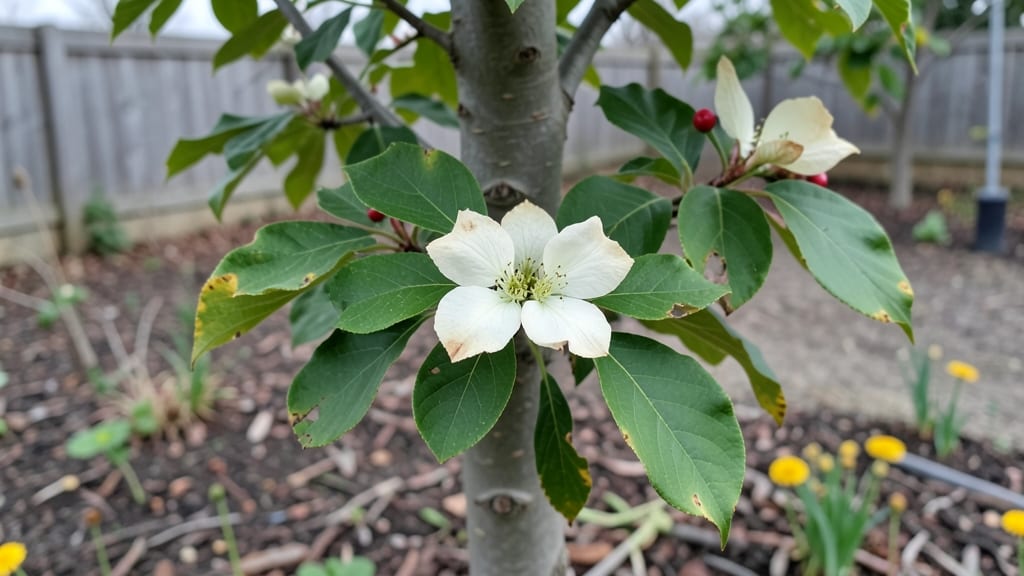
Finding dogwood trees nearby turns your yard into a springtime showstopper with their iconic blooms and graceful branches. 🌸 I planted mine near a curved stone path where the scent drifts through the air every April, creating a fragrant welcome for visitors.
The right placement makes all the difference—whether as a centerpiece or lining a driveway, their layered interest keeps your landscape stunning year-round.
These trees thrive in partial shade and well-drained soil, making them perfect for understory planting or near patios where you can enjoy their delicate flowers up close.
Local nurseries often carry native varieties like Cornus florida, which attract pollinators and provide seasonal color from white or pink blooms to fiery red fall foliage. Pair them with ferns or hostas for a lush understory that complements their elegant height.
You’ll love how dogwoods transform a plain yard into a seasonal masterpiece with minimal effort. Their spring fragrance alone makes mornings feel like a fresh start, while their year-round structure adds quiet beauty even in winter.
The best part? They’re low-maintenance once established, letting you enjoy their presence without constant upkeep.
To find the perfect specimen, check with local garden centers or native plant societies—they often know which varieties grow best in your region. A well-placed dogwood becomes the heart of your landscape, blending natural beauty with practical ease for years to come.
📚 In This Guide
- What you need
- Instructions
- Tips and common mistakes
- Wrapping up and next steps
What you need
- ● Dogwood Trees: 2–4 Cornus florida (flowering dogwood) saplings (for a balanced look)
- ● Size: 1–3 feet tall (container-grown or bare-root)
- ● Planting Supplies: High-quality mulch (3–4 inches, organic like pine bark or shredded leaves)
- ● Slow-release fertilizer (10-10-10 or balanced formula)
- ● Compost or well-aged manure (1–2 bags to enrich soil)
- ● Tools: Shovel or ditch digger (for digging holes)
- ● Garden gloves (to protect your hands)
- ● Watering hose or can (with a gentle spray nozzle)
- ● Pruning shears (for shaping or cleanup)
- ● Tree stakes (if planting in windy areas)
- ● Tree guard (to protect young trunks from pests)
- ● Soil test kit (to check pH and nutrient levels)
- ● Drip irrigation system (for consistent watering)
- ● Decorative stones or edging (to define planting areas)
How to select and care for dogwood trees in your landscape
Dogwoods bring unmatched spring drama—here’s how to choose the right varieties and nurture them into showstopping focal points.
🌱 Step 1: Choose the Right Dogwood Variety for Your Space
Start by matching your yard’s conditions to the perfect cultivar. Flowering dogwoods (Cornus florida) thrive in partial shade with morning sun, while Kousa dogwoods (Cornus kousa) tolerate more sun and urban pollution. Measure your space—mature dogwoods reach 20-35 feet tall, so plant at least 10 feet from structures to avoid root competition.
I always check the USDA hardiness zone—most dogwoods grow beautifully in zones 5-9, but Pacific dogwood (Cornus nuttallii) extends into zone 6. Dig a hole twice as wide as the root ball but no deeper—this prevents soil compaction around the roots.
☀️ Step 2: Plant in Well-Draining, Slightly Acidic Soil
Dogwoods despise soggy roots, so amend heavy clay with 2-3 inches of compost mixed into the bottom of the hole. The ideal soil pH is 5.0-6.0—test your yard’s soil first. If it’s alkaline, add elemental sulfur (follow package rates) to lower the pH before planting.
Place the tree so the top of the root ball sits 1-2 inches above ground level—this prevents waterlogging during heavy rains. Backfill with native soil, tapping gently to remove air pockets. Water deeply immediately after planting to settle the soil and eliminate gaps.
💧 Step 3: Water Deeply and Mulch to Protect Roots
Newly planted dogwoods need 1-1.5 inches of water per week for the first year. Water deeply every 5-7 days (until 6 inches down) rather than shallowly daily—this encourages deep root growth. Use a soaker hose to avoid wetting leaves, which can cause fungal diseases.
Spread 3-4 inches of mulch (wood chips or shredded bark) in a 3-foot-wide ring around the base, keeping it 6 inches away from the trunk. Mulch retains moisture and regulates soil temperature, but never pile it against the bark—this smothers the trunk and invites rot.
✂️ Step 4: Prune for Shape and Health in Late Winter
Dogwoods bloom on old wood, so prune right after flowering (late spring) or in early winter before buds swell. Remove dead, crossing, or weak branches first—these compete for energy. Thin the canopy to allow light penetration by cutting branches back to the trunk or a lateral branch.
Never remove more than 25% of the canopy in one season—this stresses the tree. I always sterilize pruners with rubbing alcohol between cuts to prevent spreading disease. After pruning, apply a balanced fertilizer (10-10-10) in early spring to support new growth.
🌿 Step 5: Monitor for Pests and Diseases Year-Round
Dogwoods face two major threats: powdery mildew (white fungal coating on leaves) and dogwood borers (tiny holes in bark). Prevent mildew by watering at the base and avoiding overhead sprinklers. If you spot borers, apply beneficial nematodes in early summer to control larvae.
Yellowing leaves often signal iron deficiency—dogwoods hate alkaline soil. If this happens, chelate iron in early spring. I also inspect for anthracnose, a fungal disease that causes dark spots on leaves. Remove infected foliage immediately and improve air circulation by pruning dense areas.
Tips & tricks for perfect dogwood tree planting and care
Transforming your yard with these stunning trees is easier than you think—just follow these game-changing tips to ensure your dogwood thrives from day one!
Variety Selection Strategy: When choosing between Cornus florida and Cornus kousa, consider your yard’s microclimate. The Kousa dogwood is your best bet for urban areas with pollution or full sun exposure, while Cornus florida shines in partial shade with morning sun. Pro tip: Visit local nurseries in late winter to see which varieties are already showing bud development—this gives you a head start on predicting spring blooms!
Soil Preparation Secret: Before planting, conduct a simple soil test using a home kit (available at garden centers for under $10). If your soil tests above 6.0 pH, amend with elemental sulfur at least 2-3 months before planting—this gives it time to acidify properly. For heavy clay soils, mix 2-3 inches of compost into the bottom of the planting hole, but avoid over-amending with fresh organic matter, which can burn roots.
Watering Wisdom: The 5-7 day watering schedule in Step 3 works perfectly, but here's the secret: Use a rain gauge or tuna can to measure your water output—most garden hoses deliver 2-3 gallons per minute, so you'll need 15-20 minutes per tree to reach that 6-inch depth. Early morning watering (between 6-9 AM) minimizes evaporation and fungal risks. I always set a timer to avoid overwatering, which is dogwoods' #1 enemy!
Pruning Precision: When pruning in late spring or early winter, focus on creating an "open vase" shape by removing branches that grow inward. This not only improves air circulation but also makes future pruning easier. I mark my cuts with a piece of chalk before making them—this helps visualize the final shape. Remember, never prune more than 25% of the canopy at once, especially on young trees, as this can shock them into dormancy.
Pro Tips for Dogwood Trees Nearby
- Transforming your yard with these stunning trees is easier than you think—just follow these game-changing tips to ensure your dogwood thrives from day one!
- Variety Selection Strategy: When choosing between Cornus florida and Cornus kousa, consider your yard’s microclimate.
- Soil Preparation Secret: Before planting, conduct a simple soil test using a home kit (available at garden centers for under $10).
Frequently asked questions
Got questions about dogwood trees? You’re not alone! Here are answers to the most common queries about planting, caring for, and enjoying these stunning spring bloomers near your home.
How do I find dogwood trees nearby?
Start by checking local nurseries or landscaping suppliers—they often carry native varieties like Cornus florida. Use apps like PlantNet or iNaturalist to spot dogwoods in parks or neighborhoods. For rare species, contact native plant societies or arboretums in your area.
When is the best time to plant dogwood trees?
Plant in early spring or fall (4–6 weeks before frost) for optimal root establishment. Avoid summer heat or winter cold, which stress young trees. Pro tip: Water deeply after planting and mulch to retain moisture—dogwoods thrive with consistent soil dampness!
Are there dogwood alternatives if I can’t find them locally?
Yes! Try serviceberry (Amelanchier) for similar spring blooms, redbud (Cercis canadensis) for vibrant flowers, or viburnum for low-maintenance beauty. All attract pollinators and add seasonal interest. Check USDA Plant Hardiness Zone maps to match your climate.
Why are my dogwood leaves yellowing or wilting?
Yellowing leaves often signal overwatering or fungal diseases like anthracnose—common in humid areas. Wilting may mean root rot (from soggy soil) or pests like borers. Prune affected branches, improve drainage, and apply copper fungicide if needed. Pro tip: Space dogwoods 15–25 feet apart for airflow!
Do dogwood trees attract bees or other pollinators?
Dogwoods are bees’ favorites—their early spring blooms provide critical nectar. Hummingbirds and butterflies also visit. For extra pollinator appeal, plant native companion plants like black-eyed Susans or bee balm nearby. Just avoid pesticides during bloom season!
Wrapping up and next steps
Dogwood trees nearby aren’t just a seasonal spectacle—they’re a fragrant, low-maintenance investment that elevates your yard’s beauty and curb appeal. 🌸 From their iconic blooms to their shade-providing foliage, these trees offer year-round charm with minimal effort.
Whether you’re drawn to their pink perfection or their eco-friendly benefits, now’s the perfect time to bring one home.
Ready to transform your outdoor space? Start by checking local nurseries or contacting an arborist to pick the best variety for your climate. Plant with confidence—your future spring will thank you!