
Trees
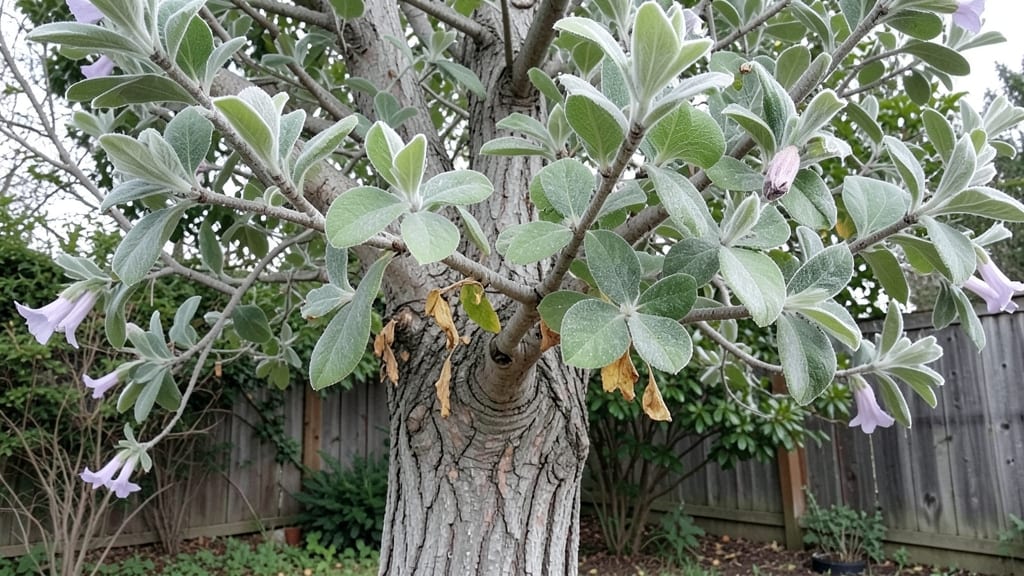
Royal Paulownia trees grow from seed to towering shade giants in just a few years—fast enough to outpace most trees in your neighborhood. I planted mine last spring, and by summer, the seedlings were already 3 feet tall.
The real magic happens in spring when those heart-shaped leaves unfurl and the air fills with sweet, jasmine-like fragrance before the blooms even appear.
This tree thrives where others struggle—drought-tolerant once established, happy in poor soil, and unfazed by urban pollution. You’ll need full sun and space (they can reach 50 feet), but the payoff is worth it: rapid growth, stunning foliage, and fragrant flowers that attract hummingbirds.
Even in containers for the first few years, they grow surprisingly fast.
By late summer, you’ll have a tree that looks like it’s been there for decades, not just a few seasons. The wood is lightweight yet strong—historically used for musical instruments and lightweight furniture.
And the best part? Those first blooms arrive earlier than you’d expect, proving this giant grows like a weed once it gets started.
Perfect for bold gardeners with space to spare or those willing to prune aggressively to keep it manageable. Here’s how to get those seeds sprouting and growing like crazy.
📚 In This Guide
- What you need
- Instructions
- Tips and common mistakes
- Wrapping up and next steps
What you need
- ● Seeds or saplings: High-quality royal paulownia seeds (ensure they’re fresh) or 1-3-year-old saplings from a trusted nursery. Pro tip: 💡 Seeds have a high germination rate (up to 90%) if properly stratified!
- ● Well-draining soil: A mix of 60% topsoil, 30% compost, and 10% perlite/sand (royal paulownias hate soggy roots!).
- ● Large planting area: Minimum 20’ x 20’ space (they grow 50–75’ tall and spread 30–50’ wide!).
- ● Sunlight: Full sun (6+ hours daily)—partial shade slows growth.
- ● Watering can/hose: For deep watering (1–2 gallons per tree, 2–3x weekly in dry climates).
- ● Garden trowel or shovel (for digging holes 3x wider than the root ball).
- ● Mulch (wood chips or straw) (2–3 inches thick to retain moisture).
- ● Pruning shears (for shaping young trees in late winter).
- ○ Fertilizer (optional): Balanced 10-10-10 or slow-release tree-specific fertilizer (apply spring & fall).
- ○ Pest control (optional): Neem oil or insecticidal soap (for aphids/caterpillars).
- ○ Windbreaks (optional): Temporary stakes or burlap if planting in windy areas (young trees are top-heavy!).
Instructions for growing royal paulownia trees from seed
Here's how to jumpstart these fast-growing giants using simple techniques that speed up germination.
Prepare Seeds for Faster Germination
Royal paulownia seeds have a tough outer shell that slows sprouting. To break dormancy, soak the seeds in warm water for 12-24 hours before planting. Use a bowl of lukewarm water (around 80°F) and let them sit until they begin to swell—this signals the shell is softening. I like to place the bowl in a sunny windowsill to maintain warmth while soaking.
After soaking, gently rub the seeds between your fingers to further weaken the outer layer. You'll see a slight roughening on the surface, which helps water penetrate more easily. This step cuts germination time nearly in half compared to planting dry seeds. Avoid using sandpaper or aggressive scrubbing—just enough to create tiny abrasions is all you need.
Plant Seeds in Warm, Well-Draining Soil
Fill a 6-inch deep container with a mix of 50% potting soil and 50% perlite to ensure excellent drainage—paulownias hate soggy roots. Plant each seed ½ inch deep, spacing them 4 inches apart since they germinate quickly and need room to grow. Press the soil lightly around each seed to create good seed-to-soil contact without compacting it.
Place the container in a warm spot (70-75°F) where it receives bright, indirect light. A south-facing window works well, but avoid direct midday sun which can overheat the soil. You'll notice the soil stays moist longer with the perlite mix, reducing the need for frequent watering. Keep the soil consistently damp (not soggy) until germination occurs.
Provide Consistent Moisture and Warmth
Cover the container with a clear plastic dome or plastic wrap to retain warmth and humidity. This creates a mini greenhouse effect that speeds up germination. Check daily for condensation on the cover—if it's dry, mist the soil lightly with water. You should see sprouts within 7-14 days under ideal conditions, though some may take up to 3 weeks.
Once seedlings emerge, remove the cover immediately to prevent fungal growth. Keep the soil moist but never waterlogged—paulownia seedlings are sensitive to root rot. You'll see the first true leaves appear after germination, signaling it's time to move them to slightly brighter light. At this stage, water only when the top inch of soil feels dry to the touch.
Transplant Seedlings When Strong Enough
When seedlings reach 4-6 inches tall and develop 3-4 sets of true leaves, they're ready to transplant. Choose a permanent location with full sun and well-draining soil. Dig holes twice as wide as the root ball but only as deep as the container they grew in. This prevents burying the stem too deeply, which can cause rot.
Space seedlings 10-12 feet apart since royal paulownias grow into massive trees. Water deeply after transplanting to settle the soil around roots. You'll notice new growth within 2-3 weeks if the plants are established properly. Mulch around the base with 2-3 inches of organic mulch to retain moisture and protect roots during hot summers.
Tips & tricks for fast-germinating royal paulownia trees
These simple tricks will help you maximize germination speed and give your royal paulownia seedlings the best possible start.
Soaking Strategy: The 12-24 hour soaking period in lukewarm water (around 80°F) is your secret weapon for breaking dormancy. I've found that placing the bowl in a sunny windowsill maintains that critical temperature while accelerating the swelling process. If your seeds aren't showing visible swelling after 12 hours, extend the soaking by another 6-12 hours—they need that extra time to soften the tough outer shell.
Seed Preparation Technique: When gently rubbing the seeds between your fingers after soaking, focus on creating just enough surface texture to help water penetrate. Think of it like sanding wood—you want to rough up the surface slightly without damaging the seed. This step can cut germination time nearly in half, so don't skip it! The slight roughening you create allows water to reach the seed's interior more efficiently during planting.
Container Depth Matters: That 6-inch deep container specification isn't arbitrary—it gives your seedlings enough room to develop strong root systems before transplanting. If you're working with limited space, you can use slightly shallower containers (4-5 inches deep) but monitor root growth closely. The key is providing enough vertical space for the roots to establish before they become root-bound, which can stunt growth.
Transplanting Timing: Waiting until seedlings reach 4-6 inches tall with 3-4 sets of true leaves ensures they have strong enough root systems to handle transplanting. I've learned the hard way that rushing this step can lead to shock—young seedlings simply aren't ready to handle the stress of moving. The 2-3 week recovery period after transplanting gives them time to establish new roots in their permanent location.
Pro Tips for Royal Paulownia Trees
- These simple tricks will help you maximize germination speed and give your royal paulownia seedlings the best possible start.
- Soaking Strategy: The 12-24 hour soaking period in lukewarm water (around 80°F) is your secret weapon for breaking dormancy.
- Seed Preparation Technique: When gently rubbing the seeds between your fingers after soaking, focus on creating just enough surface texture to help water penetrate.
Frequently asked questions
Got questions about growing these majestic royal paulownia trees? You’re not alone! Here are answers to the most common queries from gardeners eager to cultivate these fast-growing giants.
How long does it take for royal paulownia trees to grow to maturity?
Royal paulownias are fast growers! Under ideal conditions, they can reach 30–50 feet tall in just 10–15 years. With proper care, some even hit maturity (60+ feet) in 20 years or less. Their rapid growth makes them a favorite for privacy screens or quick shade solutions.
When is the best time to plant royal paulownia trees?
The ideal planting window is early spring or fall, when soil is moist but not waterlogged. Avoid extreme heat or frost—young trees are sensitive to stress. If planting in summer, water deeply twice weekly to help roots establish. Pro tip: Mulch around the base to retain moisture!
Are royal paulownia trees cold-hardy? Can they survive winter?
Yes! These trees thrive in USDA Zones 4–9, tolerating temps down to -20°F (-29°C). However, young saplings may need winter protection (like burlap wraps) in harsh climates. Established trees handle frost well, but avoid planting in windy, exposed areas where cold winds can damage foliage.
What if my royal paulownia tree isn’t growing fast? Troubleshooting tips.
Slow growth often stems from poor soil, lack of sunlight, or overcrowding. Check these fixes:
- Soil: Amend with compost for nutrient-rich, well-draining soil (they hate soggy roots!).
- Sunlight: Ensure 6+ hours of direct sun daily—they’re sun-lovers!
- Space: Plant 30+ feet apart to avoid root competition.
- Water: Deep water 1–2 times weekly during dry spells.
Can I grow royal paulownia trees in containers? What about smaller alternatives?
Royal paulownias are not container-friendly long-term—they need deep roots and space. For smaller yards, consider these alternatives:
- Dwarf paulownia (Paulownia tomentosa ‘Nana’): Grows 15–20 feet tall.
- Japanese tree lilac (Syringa reticulata): Fragrant blooms, 20–30 feet.
- Empress tree (Paulownia fortunei): Similar fast growth, slightly smaller.
Wrapping up and next steps
Growing royal paulownia trees is a rewarding journey that brings breathtaking beauty and rapid growth to your landscape. Their fragrant blooms and towering presence make them a standout choice for gardeners eager to make an impact.
Whether you’re drawn to their fast germination or their majestic stature, these trees offer both practical and aesthetic benefits.
Ready to plant your own? Start by choosing a sunny spot, gathering your supplies, and following the steps we’ve shared. With patience and care, you’ll soon be enjoying the magnificent sight of these giants in your backyard! 🌿✨