
Trees
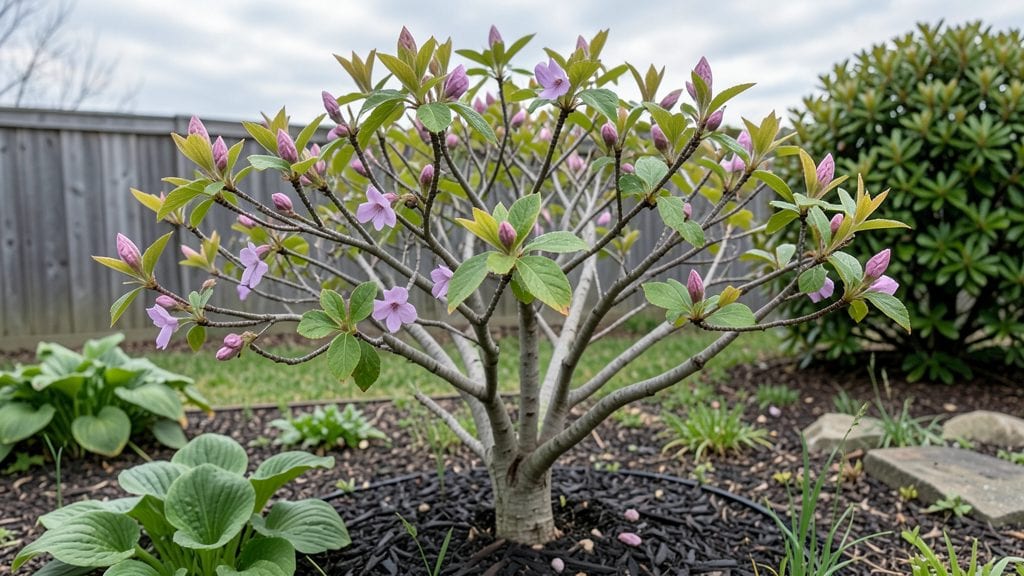
My first dwarf shade tree—a Japanese maple—changed how I use my tiny backyard. 🌿 Instead of scorching patio furniture and wilted plants, it turned that sunbaked corner into a cool, dappled retreat where I can finally relax without squinting.
The key? Choosing the right species for your space and sunlight conditions.
These trees pack big shade benefits into small footprints—think 8-12 feet tall at maturity—making them perfect for patios, foundation plantings, or even large container gardens.
Popular picks like serviceberry and flowering dogwood offer seasonal interest with blooms, fruit, and fall color, while varieties like 'Emerald Green' arborvitae provide year-round screening without the bulk.
You’ll love how they transform hot spots into usable space while keeping energy bills lower. A well-placed dwarf tree can cut afternoon sun by 50%, letting you enjoy outdoor meals or reading nooks without the glare.
The trick is matching the tree’s mature size to your layout—measure twice, plant once.
Works for urban courtyards, suburban front yards, or even as a focal point in a small garden bed. Here’s how to pick, place, and care for one that fits your vision—without sacrificing style or function.
📚 In This Guide
- What you need
- Instructions
- Tips and common mistakes
- Wrapping up and next steps
What you need
- ● Dwarf shade tree saplings: Choose 1–3 trees (depending on space), such as Japanese maples, serviceberry, or dwarf hackberry. Opt for 1–3 gallon containers for established roots.
- ● High-quality potting soil or native soil mix: 2–3 cubic feet per tree (amend with compost for better drainage).
- ● Organic mulch: 2–3 inches of wood chips, pine straw, or shredded bark to retain moisture and suppress weeds.
- ● Slow-release fertilizer: 10-10-10 or balanced organic fertilizer (follow package rates for application).
- ● Watering can or hose with a gentle spray nozzle: For deep, even watering (aim for 1–2 gallons per tree per watering session).
- ● Garden gloves and trowel: To protect hands and dig with precision.
- ○ Stakes and soft ties (optional but helpful): For young trees in windy areas (use 2–3 stakes per tree).
- ● Shovel or transplant spade: For digging holes 2–3 times wider than the root ball.
- ● Measuring tape: To ensure proper spacing (6–10 feet apart for mature size).
- ● Pruning shears: For trimming dead branches or shaping (sterilize blades with rubbing alcohol).
- ● Sun/shade analysis: Confirm your planting spot gets partial shade (4–6 hours of sunlight) or dappled light.
- ○ Drip irrigation system (optional but recommended): For consistent moisture, especially in dry climates.
- ● Test your soil: Use a pH kit to ensure it’s slightly acidic to neutral (6.0–7.0)—most dwarf shade trees thrive in this range.
- ● Water deeply but infrequently: Dwarf trees hate soggy roots! Let the top inch of soil dry out between waterings.
- ● Label your trees: Use biodegradable plant tags to track varieties and care needs.
How to select and plant dwarf shade trees for small yards
Here’s how to choose the right compact varieties and plant them for lasting shade without overwhelming your space.
🌱 Step 1: Choose the Right Dwarf Variety for Your Space
Start by measuring your yard’s available area and sunlight exposure. Dwarf shade trees typically mature between 15-25 feet tall, making them ideal for tight spaces. Look for varieties like Dwarf Japanese Maple (for delicate foliage) or Littleleaf Linden (for dense shade). Avoid fast-growing species—they’ll outpace your space in just a few years.
Check the root spread too. Some dwarf trees develop wide canopies (like Dwarf Chinese Pistache), while others stay narrow (like Emerald Green Arborvitae). Match your tree’s mature size to your yard’s dimensions—you’ll thank yourself later when it doesn’t crowd your patio or driveway.
🪴 Step 2: Prepare the Planting Site with Proper Soil and Drainage
Dig a hole twice as wide as the root ball but only as deep as the container’s base. Loosen the soil at the bottom with a shovel to encourage root expansion. If your soil drains poorly, mix 2-3 inches of coarse sand into the native soil to improve aeration—dwarf trees hate soggy roots.
Amend the backfill soil with compost for nutrients, but avoid heavy amendments like peat moss, which can compact. Gently tease the roots outward if they’re circling the root ball—this prevents girdling as the tree matures. Water the hole thoroughly before planting to settle the soil.
☀️ Step 3: Plant at the Correct Depth and Stake for Stability
Position the tree so the root flare (where roots meet the trunk) sits 1-2 inches above ground level. This prevents soil from smothering the trunk as it settles. Backfill with native soil, tapping lightly to remove air pockets, but don’t compact it—roots need loose soil to spread.
Stake only if your tree is top-heavy or in a windy area. Use two stakes placed 6-12 inches from the trunk and tie the tree loosely with soft fabric strips—too-tight ties can girdle the trunk as it grows. Water deeply after planting to encourage root contact with the soil.
💧 Step 4: Water Deeply and Mulch to Retain Moisture
Water the tree once a week for the first month, soaking the soil to a depth of 12-18 inches. You’ll know it’s enough when water drains from the bottom of the hole. Overwatering is just as harmful as underwatering—let the top 2 inches of soil dry between waterings after the initial phase.
Apply 2-3 inches of mulch (like shredded bark) in a 3-foot-wide ring around the base, keeping it 6 inches away from the trunk. Mulch conserves moisture and regulates soil temperature, but avoid piling it against the trunk—this creates rot-prone conditions. Refresh the mulch annually as it breaks down.
✂️ Step 5: Prune for Shape and Health in Early Spring
Wait until new growth appears before pruning—this ensures you’re not cutting back last year’s flowering or fruiting wood. Remove any dead, crossing, or inward-growing branches first, then thin the canopy to improve airflow. Aim to maintain the tree’s natural shape while opening the center to sunlight.
Never remove more than 25% of the foliage in a single pruning session—this stresses dwarf trees more than full-sized varieties. Use clean, sharp pruners to make cuts just outside the branch collar. Sterilize your tools with rubbing alcohol between cuts to prevent disease spread.
Tips & tricks for perfect dwarf shade trees
Planting dwarf shade trees is all about precision—small mistakes can lead to big problems down the road. Here are the details that separate a thriving, compact canopy from a struggling plant that outgrows its space.
Variety Matters: When selecting your dwarf shade tree, pay close attention to the mature height range of 15-25 feet mentioned in Step 1. I always recommend visiting a local nursery to compare the root flare and canopy spread of different varieties—some like the Dwarf Chinese Pistache develop wide canopies that need extra space, while others like the Emerald Green Arborvitae stay narrow and elegant. Measure your yard's dimensions first, then visualize the tree's mature shape before purchasing.
Soil Prep Secret: In Step 2, the instructions mention mixing 2-3 inches of coarse sand for drainage, but don't stop there. I also recommend adding a handful of perlite or vermiculite to the backfill soil—this improves aeration even more than sand alone. The key is creating a loose, well-draining environment that mimics the tree's natural forest floor conditions. Remember, dwarf trees are particularly sensitive to waterlogged roots, so if your soil feels compacted, don't skip this step.
Staking Strategy: The instructions mention using two stakes placed 6-12 inches from the trunk, but here's what nobody tells you: Use soft, flexible tree ties that can stretch as the trunk grows. I've seen too many trees with permanent girdling from rigid plastic ties that cut into the bark. Also, remove stakes after 6-12 months—even if the tree still seems unstable—unless you're in a particularly windy area. The goal is to train the tree to stand on its own.
Watering Wisdom: During that critical first month, when you're watering once a week to 12-18 inches deep, use a moisture meter to verify you're hitting that depth. I've found that many gardeners underestimate how deep water actually penetrates. For the first few waterings, dig a small hole near the tree after watering to check—you should see moist soil at that depth. This ensures your tree establishes strong roots right from the start.
Pro Tips for Dwarf Shade Trees
- Planting dwarf shade trees is all about precision—small mistakes can lead to big problems down the road.
- Variety Matters: When selecting your dwarf shade tree, pay close attention to the mature height range of 15-25 feet mentioned in Step 1.
- Soil Prep Secret: In Step 2, the instructions mention mixing 2-3 inches of coarse sand for drainage, but don't stop there.
Frequently asked questions
Got questions about dwarf shade trees?
Here are answers to the most common ones to help you make the best choice for your space!
What’s the fastest-growing dwarf shade tree?
If you want quick shade, look for Japanese Zelkova or Dwarf Hackberry—they grow 12–24 inches per year while staying compact. Amelanchier (serviceberry) is another great option with faster early growth. Just avoid Japanese Maple varieties; they’re slower but stunning for ornamental appeal.
How long does it take for a dwarf shade tree to provide meaningful shade?
Most dwarf shade trees take 3–5 years to establish a dense canopy. Smaller varieties like Dwarf Korean Lilac may take longer (5–7 years), while faster growers like Dwarf Chinese Pistache can offer partial shade in 2–3 years. Plant in a spot where you can supplement with patio umbrellas or pergolas during the early years!
Can dwarf shade trees thrive in containers or urban settings?
Many dwarf shade trees—like Dwarf Ficus or Dwarf Crape Myrtle—do well in large containers (15+ gallons) with proper drainage. For urban areas, prioritize pollution-tolerant varieties like Dwarf Ginkgo or Dwarf Eastern Redbud. Just ensure they get adequate sunlight (even partial shade) and regular watering.
What’s the best alternative if I need more shade than a dwarf tree can provide?
If your space needs full, dense shade, consider:
- Fast-growing vines (e.g., Clematis on a trellis) for quick coverage.
- Semi-dwarf trees (e.g., Dwarf Apple or Columnar Maple)—they’re taller but still space-efficient.
- Shade sails or pergolas for instant, adjustable shade without long-term commitment.
Are dwarf shade trees prone to pests or diseases?
Most dwarf trees are low-maintenance, but watch for:
- Spider mites (common in dry conditions)—spray with water or neem oil.
- Scale insects on Japanese Maples—prune affected branches and use horticultural oil.
- Fungal issues (like powdery mildew) if overwatered—ensure good airflow and avoid wetting foliage.
Wrapping up and next steps
Dwarf shade trees are the perfect solution for adding beauty and comfort to small spaces without sacrificing sunlight or space.
Whether you're looking to create a cozy outdoor nook, enhance your patio, or simply enjoy some natural shade in a compact area, these trees deliver big benefits in a tiny footprint. 🌳
Ready to transform your space? Start by researching the best varieties for your climate and soil, then take the plunge—your future shaded retreat awaits! Plant one today and enjoy the shade tomorrow.