
Size
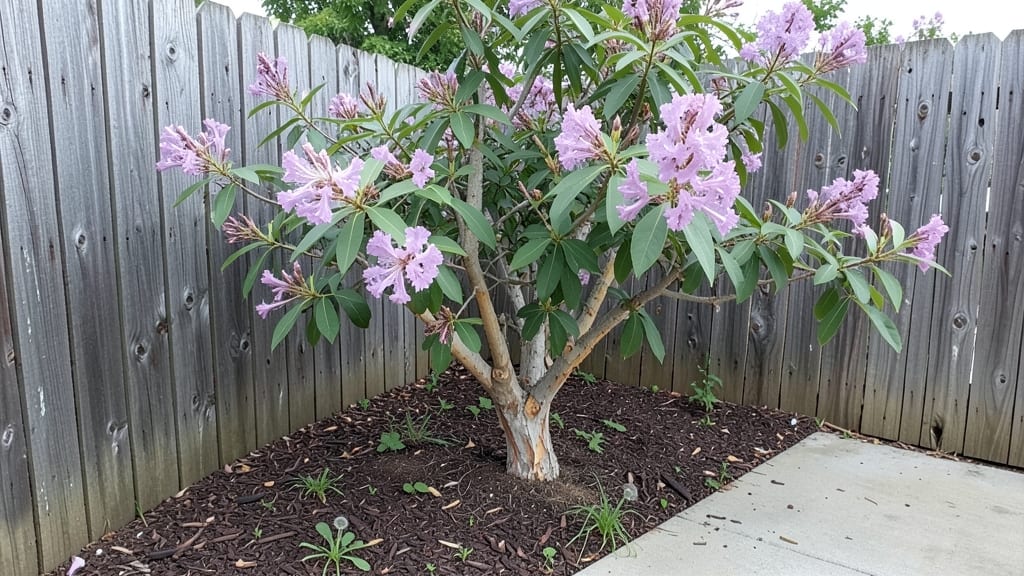
A crape myrtle tree 🌸 can grow anywhere from 6 feet to over 30 feet tall, depending on the variety and how you care for it.
Picture this: you’ve finally picked out the perfect spot for that vibrant summer bloomer, only to realize too late that your backyard isn’t big enough for the 20-foot giant you just planted. Or worse, your dwarf variety is suddenly shooting up like a weed.
The size of your crape myrtle isn’t just about aesthetics—it’s about whether it’ll fit in your landscape, shade your patio, or end up crowding your driveway.
Some varieties, like the 'Tonto', stay under 6 feet, making them ideal for small yards or container growing. Others, such as the 'Natchez', can tower over 30 feet, turning your garden into a small forest.
The good news? With the right pruning and planting choices, you can control how big—or small—your tree becomes.
In this guide, I’ll break down the exact heights of popular crape myrtle varieties, how to pick the right size for your space, and the simple pruning tricks that keep your tree looking its best without sacrificing those show-stopping blooms.
Crape myrtle tree size by popular variety: heights and spreads compared
Choosing the right crape myrtle tree size starts with knowing your space—and your patience. Some varieties grow as tall as a two-story house (up to 30 feet), while others stay small enough for container gardening or tight urban yards.
The key is matching the tree's mature height and spread to your landscape goals, whether you want a shade provider or a colorful focal point.
Crape myrtles are famous for their vibrant summer blooms and exfoliating bark, but their size varies wildly. Dwarf varieties like 'Tonto' max out at 6 feet, while standard types like 'Natchez' tower over 30 feet.
Even the growth rate differs—some shoot up 2 feet per year, while others take decades to reach full height. Let’s break down the most popular varieties so you can pick the perfect fit for your yard.
Pro Tip: Always measure your space before planting. A 20-foot tree planted too close to a house or sidewalk will need pruning every year, while a dwarf variety might get lost in a large garden. Clearance matters—aim for at least 10 feet from structures for standard varieties.
🌸
| Variety | Mature Height | Mature Spread | Growth Rate | Best For | Size Comparison |
|---|---|---|---|---|---|
| 'Natchez' | 25–30 ft | 20–25 ft | 1–2 ft/year | Large yards, shade trees | Taller than a house |
| 'Muskogee' | 20–25 ft | 15–20 ft | 1–2 ft/year | Medium to large yards | Like a basketball hoop |
| 'Avalanche' | 15–20 ft | 12–15 ft | 1 ft/year | Small to medium yards | Taller than a car |
| 'Tonto' | 6–8 ft | 4–6 ft | 6–12 in/year | Containers, small spaces | Like a mailbox |
| 'Dynamite' | 12–15 ft |
How to choose the right crape myrtle size for your yardChoosing the right crape myrtle size for your yard starts with understanding your space and sunlight conditions. A standard crape myrtle can tower over 20 feet tall, while dwarf varieties like 'Tonto' stay under 6 feet. Without careful planning, you might end up with a tree that outgrows its welcome near your patio or driveway. Let’s break down how to match the perfect variety to your landscape goals. First, measure the area where you plan to plant. Mature height and spread are critical—some varieties like 'Natchez' reach 30 feet tall with a 15-foot spread, while 'Avalanche' stays compact at 10–12 feet tall. Consider your yard’s layout: tight spaces need dwarf or semi-dwarf types, while open areas can accommodate larger specimens. Always account for future growth and avoid planting too close to structures. Next, assess your sunlight exposure. Crape myrtles thrive in full sun (6+ hours daily), but some varieties tolerate partial shade better than others. For example, 'Muskogee' handles heat and sun exceptionally well, while 'Biloxi' adapts to slightly shadier conditions. If your yard has limited sun, opt for a sun-tolerant dwarf variety like 'Centennial Spirit' to ensure vibrant blooms. Soil preferences also play a role. Crape myrtles prefer well-draining soil and adapt to various pH levels, but clay-heavy soils may require amendments like compost or sand. Test your soil before planting to avoid stunted growth or root rot. Most varieties thrive in USDA hardiness zones 6–9, but check specific zone maps for your region to ensure your chosen variety will flourish. Now, let’s address common mistakes. Many gardeners accidentally plant a large variety too close to sidewalks or houses, leading to pruning headaches or even structural damage. Always maintain a minimum 10-foot clearance from buildings and 5 feet from sidewalks for mature trees. Another pitfall is over-pruning young trees, which can stunt their growth or reduce flowering. Instead, prune only to shape and remove dead branches during late winter or early spring. To simplify your decision, here’s a quick reference for crape myrtle sizes by variety and their ideal uses: 🌸 Crape Myrtle Size Guide
💡 Pro Tip: Always measure your space and check the variety’s mature spread to avoid overcrowding. Finally, consider your long-term goals. If you want a low-maintenance tree with minimal pruning, choose a naturally compact variety like 'Dwarf Yaka.' For a dramatic statement, a standard variety like 'Natchez' will deliver stunning blooms and height. Always factor in future maintenance, such as pruning access and potential fruit drop (though crape myrtles aren’t fruit-bearing, their seed pods can be messy if left unchecked). With the right variety and careful planning, your crape myrtle will thrive for decades, adding year-round interest with its striking bark, vibrant summer blooms, and fall color. Happy planting! 🌿 |