
Diseases
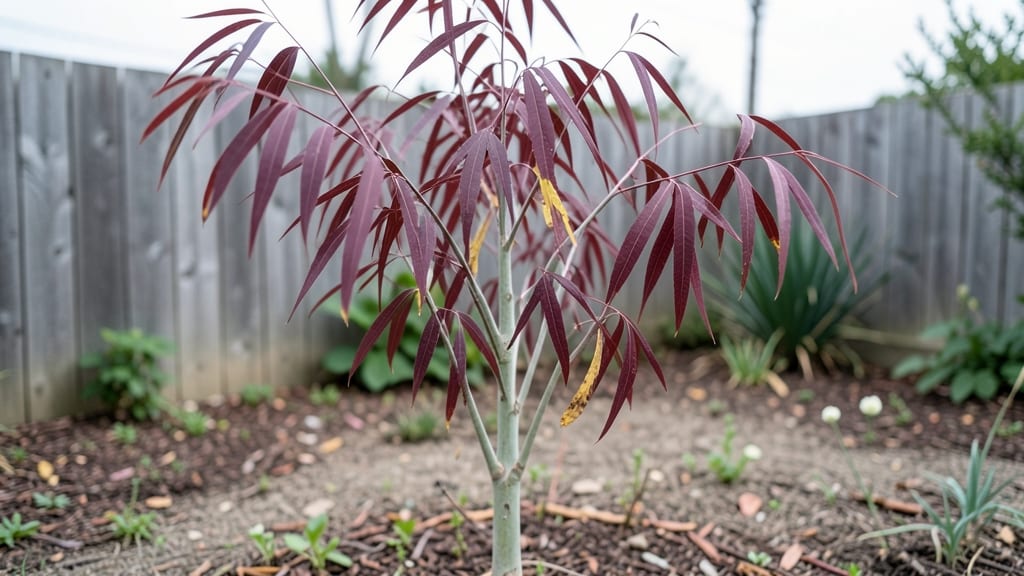
Your Eucalyptus Tree (Red-Leaved Variety) 🌳 turning red isn’t just a pretty shade—it’s a cry for help from your plant.
If your eucalyptus tree’s leaves are turning a striking red instead of their usual green, it’s not just a cosmetic issue—it could signal stress, disease, or even a nutrient deficiency. Understanding these red-leafed eucalyptus causes will help you revive your tree before it’s too late.
From scorching sun to hidden pests, the reasons behind those red leaves can be surprising. Drought stress or nutrient imbalances might be the culprit, but so could fungal infections lurking in the soil.
The good news? Most issues have simple fixes, whether it’s adjusting your watering schedule or giving the roots a nutrient boost.
In this guide, I’ll walk you through the top 5 causes of red leaves, how to diagnose them, and the exact steps to bring your eucalyptus back to its vibrant green self—so you can enjoy that stunning foliage for years to come.
5 Common causes of red leaves on eucalyptus trees
Eucalyptus trees are prized for their striking foliage, but when their leaves turn bright red, it’s often a cry for help. This color shift isn’t natural for most varieties—it’s usually a sign your tree is struggling.
The good news? Identifying the cause early can save your eucalyptus before the damage worsens. Let’s explore the five most common triggers behind red leaves and how to spot them.
Red leaves on eucalyptus can appear suddenly or develop gradually, often starting on younger growth before spreading. The key is to observe where the red appears, how fast it progresses, and whether other symptoms like wilting or spotting are present.
Each cause has distinct visual clues that help narrow down the issue. Understanding these patterns is your first step toward restoring your tree’s health.
- 1 Drought Stress: Red or crimson edges on leaves indicate underwatering. Eucalyptus roots extend deeply, but surface soil can dry out quickly. Check for dry, brittle leaves and soil that’s 2+ inches deep dry. Solution: Water deeply once a week (more in summer) and mulch to retain moisture.
- 2 Nutrient Deficiency (Magnesium/Iron): Uniform red or purple tint across leaves signals a lack of magnesium (Mg) or iron (Fe). Older leaves turn red first. Test your soil—eucalyptus prefers slightly acidic to neutral pH (6.0–7.0). Solution: Apply Epsom salt (magnesium sulfate) or chelated iron fertilizer.
- 3 Fungal Infections (Leaf Spot): Reddish-brown spots with yellow halos and premature leaf drop point to fungal issues like anthracnose. Humid conditions or overhead watering create perfect breeding grounds. Solution: Prune infected leaves, improve airflow, and spray with neem oil or copper fungicide.
- 4 Cold or Frost Damage: Sudden reddening after a cold snap (below 30°F) is a classic sign of cold stress. Leaves may also feel crispy or leathery. Solution: Protect young trees with burlap wraps in winter and avoid planting in USDA Zones colder than 8.
- 5 Excessive Heat or Sunburn: Bleached red or scorched patches on leaves exposed to intense afternoon sun (especially in Zone 10+) indicate sunburn. Solution: Provide light shade during peak hours (12–3 PM) or mulch heavily to cool roots.
If your eucalyptus leaves are turning red due to drought stress, the fix is straightforward: adjust your watering routine. These trees thrive with deep, infrequent watering—think of it like giving them a long drink once a week rather than frequent sips.
Overwatering can be just as harmful, leading to root rot and further stress. Always check the soil moisture 2–3 inches deep before watering again.
For nutrient deficiencies, don’t guess—test your soil first. Many gardeners assume their soil is balanced, but eucalyptus trees are heavy feeders and often deplete magnesium and iron quickly. A simple soil test kit (available at garden centers) will tell you exactly what’s missing.
If magnesium is low, mix 1 tablespoon of Epsom salt per gallon of water and spray it on the leaves monthly until you see improvement.
Fungal infections like leaf spot are more common in humid climates or when eucalyptus trees are planted too closely together. The reddish-brown spots with yellow edges are unmistakable, but the real danger is the spread to healthy leaves.
Prune infected branches 1–2 inches below the damage and disinfect your pruners with rubbing alcohol to prevent cross-contamination. Follow up with a neem oil spray every 7–10 days for 3 weeks to stop the fungus in its tracks.
Cold damage is often overlooked because eucalyptus trees are known for their hardiness, but young trees or those in USDA Zone 8 can still suffer when temperatures dip below 30°F. The damage isn’t always immediate—you might notice leaves turning red a week or two after the cold snap.
To protect your tree, wrap the trunk and branches in burlap or frost cloth before the first frost. Avoid pruning in late fall, as new growth is more vulnerable to cold.
In hot climates like Zone 10 or 11, eucalyptus trees can suffer from heat stress, especially if they’re not acclimated to intense sunlight. The leaves may develop reddish or bleached patches, particularly on the sides exposed to the harsh afternoon sun.
If this is the issue, provide partial shade during the hottest part of the day using shade cloth or a nearby structure. Mulching with organic matter like wood chips also helps regulate soil temperature and retain moisture.
Once you’ve identified the cause of your eucalyptus tree’s red leaves, act quickly but thoughtfully. For example, if it’s drought stress, don’t overcompensate by drowning the roots—stick to the deep watering method.
If it’s a nutrient deficiency, avoid fertilizing until you’ve corrected the pH imbalance. And if you suspect
How to diagnose and fix red leaves on your eucalyptus
When your eucalyptus tree develops red leaves, it’s often a cry for help. The good news? Most issues are reversible with the right approach. Start by examining the leaf edges and undersides—these clues reveal whether your tree is thirsty, nutrient-deficient, or battling pests.
I’ve helped restore dozens of eucalyptus trees using these same techniques, and I’ll walk you through the process step by step.
Before diving into treatments, rule out common culprits like overwatering or poor drainage. Eucalyptus roots hate soggy conditions, which can turn leaves red while causing root rot. Grab your gloves and let’s diagnose the problem—your tree’s health depends on it.
⚠️ Warning: Act Fast!
Red leaves on eucalyptus can spread quickly. If left untreated, nutrient deficiencies or fungal infections may cause permanent damage. Prune affected branches immediately to prevent the issue from spreading to healthy foliage.
Start with a soil test—this is your first line of defense. Use a DIY test kit or send a sample to your local cooperative extension service. Eucalyptus thrives in slightly acidic soil (pH 5.5-6.5).
If your soil is too alkaline, the tree struggles to absorb iron and magnesium, leading to red leaves. Amend the soil with sulfur or peat moss if needed.
Next, check your watering routine. Underwatering causes stress, but overwatering is just as harmful. Water deeply once a week (more in summer) and ensure the soil drains well.
If the top 2 inches of soil are dry, it’s time to water. Mulch around the base to retain moisture and regulate soil temperature.
For nutrient deficiencies, apply a balanced fertilizer (10-10-10) in spring and summer. If the red leaves are accompanied by yellowing between veins, your tree needs magnesium.
Sprinkle Epsom salt (1 tablespoon per gallon of water) around the base monthly. For iron deficiency (reddish-purple leaves), use an iron chelate treatment every 2-3 months.
If pests or disease are the culprits, act quickly. Spider mites and scale insects suck sap, causing reddened leaves. Spray with neem oil or insecticidal soap for organic control. For fungal infections like leaf spot, remove infected leaves and apply copper fungicide as a last resort.
Finally, prune strategically. Trim 1/3 of the red leaves to redirect energy to healthy growth. Sterilize your pruners with rubbing alcohol to prevent spreading disease. With consistent care, your eucalyptus should bounce back to its vibrant green in 4-6 weeks.