
Trees
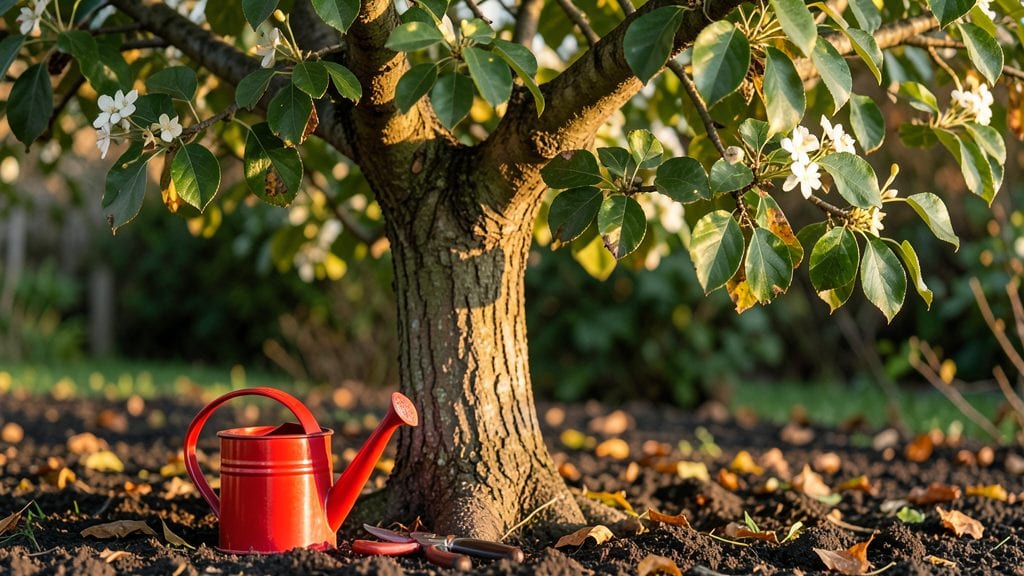
Pear tree leaves turning brown can feel like a death sentence for your fruit harvest—but it’s fixable, and I’ve seen it turn around in just a few weeks.
The first time I spotted those crispy edges on my 10-year-old Bartlett, I panicked until I realized it was a mix of drought stress and a fungal sneeze from last year’s pruning cuts.
Now I check for these three culprits first: moisture levels, fungal spots, and hidden pests in the crevices.
Most brown leaves start with one of three problems: too little water (especially in sandy soil), fungal infections like fire blight or powdery mildew, or pests like mites sucking the life out of leaves.
I’ve learned to water deeply at the base—not overhead—and prune in dry weather to prevent fungal spread. A quick spray with neem oil or copper fungicide can stop the spread before it ruins your harvest. The key is acting fast before the disease moves into the branches.
Within weeks, you’ll see new growth pushing out with that rich, vibrant green you remember. I’ve revived trees that looked dead by combining proper watering, targeted pruning, and a single application of fungicide.
The best part? Your pears won’t taste any different—just healthier. Start with the roots, move to the leaves, and watch your tree bounce back.
This works for both young trees and mature ones, though older trees might need extra care with their bark. If your tree is in a hot, dry climate, mulching helps retain moisture.
For fungal issues, clean up fallen leaves and prune infected branches immediately. You’ve got this—your tree’s comeback starts with these three simple fixes.
Root Causes Behind Brown Pear Leaves
Understanding why your pear tree’s leaves are turning brown starts with identifying the primary stressors disrupting their health. Below, we break down the most common culprits—each with a clear scientific explanation and actionable insights to help you diagnose the issue.
Pear trees thrive in moderate climates, but extreme heat or prolonged drought can trigger oxidative stress in leaves.
When soil moisture drops below 30%, roots struggle to absorb water, leading to: - Wilting (leaves curl inward to conserve moisture). - Brown edges (from necrotic tissue due to dehydration). - Premature leaf drop (the tree’s survival response).
Why it happens:
- High temperatures (above 90°F/32°C) increase transpiration rates, forcing leaves to lose water faster than roots can replenish it.
- Compacted or sandy soil worsens the issue by reducing water retention and root oxygen exchange.
Actionable fix:
- Deep watering (1–2 inches per week) at the drip line (not just the base).
- Mulch heavily (3–4 inches of organic mulch) to retain moisture and cool roots.
- Avoid overhead watering—use drip irrigation to prevent fungal growth.
Fungi like anthracnose, powdery mildew, or leaf spot thrive in humid, shaded conditions and pear trees’ susceptible foliage. Brown spots, yellow halos, or velvety white coatings (powdery mildew) are classic signs.
Why it happens:
- Fungal spores land on leaves and penetrate stomata (tiny pores) when humidity exceeds 75% for prolonged periods.
- Poor air circulation (dense foliage or overcrowded trees) traps moisture, creating a fungal paradise.
- Weakened trees (from stress or poor nutrition) have lower resistance to pathogens.
Actionable fix:
- Prune for airflow—remove crossing branches and thin out dense areas.
- Apply fungicides (copper-based or neem oil) preventatively in spring or at first sign of infection.
- Clean up fallen leaves (burn or compost them far from the tree) to remove spore sources.
Insects like aphids, scale, spider mites, and pear psylla feed on leaf sap, injecting toxins that cause:
- Brown, crinkled leaves (from mite damage).
- Sticky honeydew (aphid waste) leading to sooty mold (a black fungal growth).
- Premature leaf drop (as the tree diverts energy to repair damage).
Why it happens:
- Drought-stressed trees produce more sugary sap, attracting pests.
- Soft, new growth is a buffet for hungry insects.
- Lack of natural predators (like ladybugs) allows populations to explode.
Actionable fix:
- Blast pests off with a strong stream of water (especially for aphids).
- Introduce beneficial insects (ladybugs, lacewings) or use insecticidal soap.
- Prune infested branches and dispose of them (don’t compost).
Brown leaves can signal micronutrient deficiencies, particularly:
- Magnesium (Mg) → Interveinal chlorosis (yellow between veins) that turns brown and crispy.
- Iron (Fe) → Yellowing new leaves with brown edges (common in alkaline soil).
- Potassium (K) → Brown leaf margins (edges) or scorched spots.
Why it happens:
- Poor soil quality (low organic matter) locks out nutrients.
- Over-fertilizing with nitrogen (N) starves roots of secondary nutrients.
- Compacted or waterlogged soil prevents root uptake.
Actionable fix:
- Test your soil (pH should be 6.0–7.0 for pears).
- Apply Epsom salt (for Mg) or chelated iron (for Fe-deficient trees).
- Use a balanced fertilizer (10-10-10 or 5-10-10) in early spring.
Sudden wind gusts, hail, or even lawnmower trauma can rupture leaf cells, causing:
- Brown, torn edges.
- Blackened spots (from crushed tissue).
- Delayed regrowth (as the tree focuses on repair).
Why it happens:
- Thin bark on young pear trees makes them vulnerable to abrasion.
- Shallow root systems (from poor soil) offer little stability.
- Improper pruning (tearing instead of cutting) creates open wounds.
Actionable fix:
- Stake young trees in high-wind areas.
- Use tree guards (plastic wraps) to protect trunks from lawn equipment.
- Prune carefully with clean, sharp tools (avoid tearing bark).
Overapplying fertilizers, herbicides, or pesticides can damage leaf tissue, leading to:
- Bleached or brown patches.
- Crispy, curled edges.
- Delayed growth (as the tree recovers).
Why it happens:
- High salt concentrations (from synthetic fertilizers) disrupt cellular function.
- Drift from herbicides (like glyphosate) can kill leaf cells.
- Improper dilution of sprays leads to chemical buildup.
Actionable fix:
- Flush soil with water after fertilizing to reduce salt buildup.
- Use organic alternatives (compost tea, fish emulsion) for gentler nutrition.
- Follow label rates—never exceed recommended doses.
Revive Your Pear Tree Leaves
Now that you know the root causes behind those unsightly brown pear tree leaves, it’s time to roll up your sleeves and bring back that lush, healthy green.
Whether your tree is battling pests, disease, or environmental stress, these targeted solutions will help you diagnose and fix the issue—plus, we’ll share simple prevention tips to keep your tree thriving long-term.
Fungal infections are sneaky but treatable. Start by removing infected leaves (wear gloves!) and dispose of them in the trash—not the compost. Then, give your tree a deep clean:
- 🔥 Prune for airflow: Thin out dense branches to improve circulation.
Aim for 15–20% of the canopy if heavily infected. - 🍳 Fungicide spray: Use a copper-based fungicide (like Bordeaux mixture) or a neem oil solution (1 tsp neem oil + 1 tsp mild soap per quart of water).
Spray early morning or evening to avoid burning leaves. - 👨🍳 Prevent future outbreaks: Space out watering to keep foliage dry. Water at the base, not overhead, and avoid late-day watering.
💡 Pro Tip: If mildew is bad, reapply fungicide every 7–10 days until new growth appears.
Pests weaken trees by sucking sap, leading to browning and stunted growth. Act fast with these steps:
- 🔪 Blast off pests: Spray leaves with a strong stream of water to dislodge aphids or mites.
Repeat 2–3 times over a week. - 🍳 Insecticidal soap or horticultural oil: Mix 2.5 tbsp mild castile soap with 1 gallon of water, or use a pre-mixed horticultural oil spray. Apply every 5–7 days for 2–3 weeks. - 🐝 Encourage predators: Ladybugs and lacewings love aphids!
Plant marigolds or dill nearby to attract them naturally. - ⏰ Monitor regularly: Check the undersides of leaves weekly for early signs of pests.
🌡️ Hot Tip: If scale insects are encrusted on branches, scrub them off with a soft brush dipped in rubbing alcohol (50% water, 50% alcohol).
Brown leaves from water issues are often a sign of root rot (too wet) or wilting stress (too dry). Here’s how to balance it:
| Problem | Solution | Prevention |
|---|---|---|
| Overwatered | Let soil dry 2–3 inches deep before watering. Improve drainage with compost or sand. | Plant in well-draining soil and avoid soggy spots. |
| Underwatered | Water deeply 1–2 times per week (depending on climate). Use mulch to retain moisture. | Install a drip irrigation system for consistency. |
| Root Rot | Prune rotten roots (black/mushy) and repot in fresh, dry soil. | Avoid watering on a schedule—check soil first! |
✨ Bonus: If your tree is in a pot, ensure it has drainage holes and use a terracotta pot (breathes better than plastic).
Extreme weather or poor soil can turn leaves brown overnight. Here’s how to recover:
- 🌡️ Shield from heat: Provide afternoon shade with a lightweight shade cloth (30–50% coverage) if temps exceed 90°F (32°C). - 🍂 Protect from frost: Cover young trees with burlap or frost cloth during late frosts.
Avoid pruning in fall/winter—wait until early spring. - 💪 Boost nutrients: Test soil pH (ideal: 6.0–7.0 for pears) and amend with: - Iron (for yellowing between veins) → Use chelated iron or coffee grounds. - Nitrogen (for overall health) → Apply balanced fertilizer (10-10-10) in early spring. - Potassium (for drought stress) → Banana peels or potassium sulfate.
🎯 Prevention Checklist: ✅ Mulch 2–3 inches around the base (keep 6" from trunk). ✅ Avoid heavy foot traffic near roots. ✅ Prune in late winter to encourage new growth.
If your pear tree shows large dead patches, oozing sap, or sudden leaf drop, it may need a certified arborist. Fungal diseases like fire blight or canker can spread quickly and require specialized treatment.
By following these steps, your pear tree should bounce back with vibrant green leaves in 4–6 weeks. Stay consistent with care, and your tree will reward you with sweet pears and lush foliage for years! 🍐🌿
Frequently asked questions
Why do pear tree leaves turn brown in hot weather?
Extreme heat causes oxidative stress in leaves, making them lose moisture faster than roots can replenish it. When soil moisture drops below 30%, leaves develop necrotic brown edges as a survival response. Mulching and deep watering at the drip line (not just the base) helps prevent this.
How do I tell if brown leaves are from pests or disease?
Pests like aphids or mites cause crinkled, brown leaves with sticky honeydew, while fungal diseases show spots with yellow halos or white powdery coatings. Check leaf undersides for tiny insects or webs—this confirms pests. For disease, look for dark spots or velvety growth.
Can I save my pear tree if half the leaves are brown?
Yes! Act fast by pruning 15–20% of the canopy to improve airflow, then apply a copper-based fungicide or neem oil if fungal. For pests, blast them off with water and use insecticidal soap. Most trees recover within 4–6 weeks with consistent care.
Is it safe to use household vinegar as a fungicide?
No—vinegar is too harsh for trees. Its high acidity can burn leaves and disrupt soil pH. Instead, use a neem oil solution (1 tsp oil + 1 tsp soap per quart of water) or a copper fungicide, which are gentler and effective. Always test sprays on a small leaf first!
When should I prune brown leaves to prevent spread?
Prune infected or dead branches in late winter or early spring (before new growth starts). Avoid pruning during wet weather—this spreads fungal spores. Sterilize tools with rubbing alcohol between cuts to prevent cross-contamination.