Size
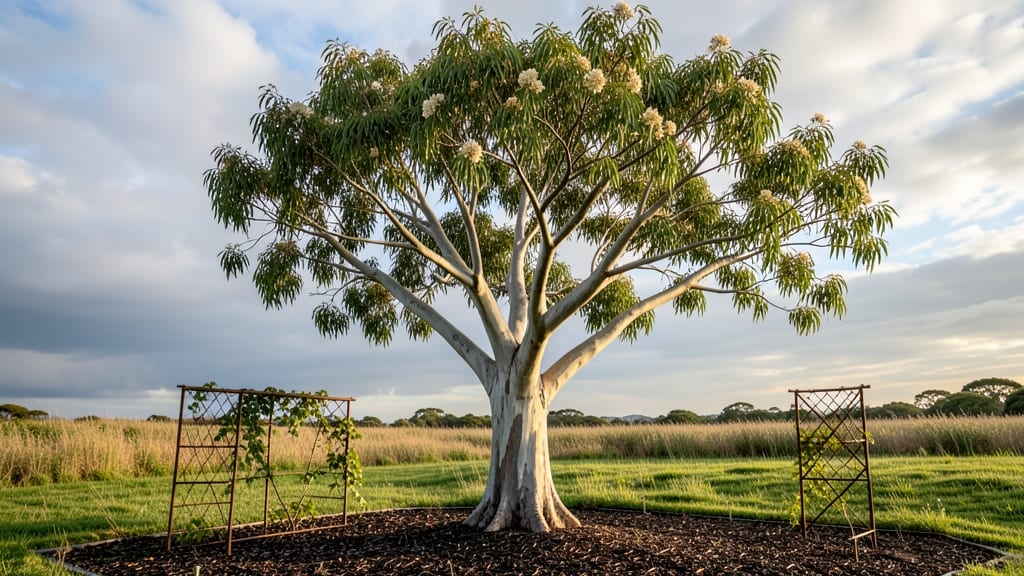
A eucalyptus tree size can range from a modest 15 feet to towering over 300 feet, depending on the species you choose for your yard.
Picture this: one day you’re admiring a delicate dwarf variety in your urban courtyard, and the next, a coastal giant is casting shade over your entire backyard. The difference isn’t just in aesthetics—it’s about long-term planning, from root space to future pruning needs.
In USDA Zone 6, where winters can test even hardy species, some eucalyptus varieties barely survive, while others thrive like they’re in their native Australia. The key? Matching the tree’s growth habits to your space and climate.
Below, I’ll break down the fastest-growing and most compact options, how to read their growth rates, and the spacing tricks that keep your landscape looking intentional—not overcrowded.


Eucalyptus tree size by variety: from dwarf to giant species
Choosing the right eucalyptus variety can make all the difference in your garden’s layout. Some eucalyptus trees grow to over 300 feet, while others remain manageable at 15 feet tall. The key is matching the mature height and growth rate to your space and climate.
For example, Eucalyptus regnans (Mountain Ash) can reach 330 feet, while Eucalyptus pauciflora ‘Niphophila’ stays a compact 15–25 feet. Let’s explore the full range so you can plan with confidence.
Before diving into specifics, consider your garden’s available space and sunlight exposure. Fast-growing varieties like Eucalyptus globulus (Tasmanian Blue Gum) can add 6–12 feet per year in ideal conditions, while slower growers like Eucalyptus vernicosa (Black Gum) mature more gradually.
Always check your USDA hardiness zone—some varieties thrive in Zone 8–10, while others need Zone 7 or warmer to avoid cold damage.
| Variety | Mature Height | Spread | Growth Rate | Best For | |||||||||||||||||||||
|---|---|---|---|---|---|---|---|---|---|---|---|---|---|---|---|---|---|---|---|---|---|---|---|---|---|
| Eucalyptus regnans (Mountain Ash) | 300–330 ft | 50–70 ft | Very Fast (6–12 ft/year) | Large estates, parks | |||||||||||||||||||||
| Eucalyptus globulus (Tasmanian Blue Gum) | 150–200 ft | 40–60 ft | Fast (3–6 ft/year) | Coastal gardens, windbreaks | |||||||||||||||||||||
| Eucalyptus camaldulensis (River Red Gum) | 100–150 ft | 30–50 ft | Moderate (2–4 ft/year) | Drought-prone areas | |||||||||||||||||||||
| Eucalyptus pauciflora ‘Niphophila’ (Snow Gum) | 15–25 ft | 10–15 ft | Slow (1–2 ft/year) | Urban gardens, containers | |||||||||||||||||||||
| Eucalyptus cinerea (Argyle Apple) | 40–60 ft | 20–30 ft | Moderate (2–3 ft/year) | Small yards, hedges | |||||||||||||||||||||
| Eucalyptus vernicosa (Black Gum) | 50–80 ft | 25–40 ft | Slow to Moderate (1–3 ft/year) | Woodland gardens | |||||||||||||||||||||
| Eucalyptus viminalis (Manna Gum) | 80–12
How growth zones affect Eucalyptus tree size and survivalEucalyptus trees thrive in warm climates, but their mature size and survival depend heavily on your USDA hardiness zone. Most species struggle in zones colder than Zone 8, while coastal varieties handle Zone 10 heat effortlessly. Choosing the wrong zone match can stunt growth or kill your tree entirely. For example, Eucalyptus globulus (the classic "blue gum") can reach 300 feet in ideal Zone 9-10 conditions but may only grow to 50 feet in Zone 8. Meanwhile, Eucalyptus pauciflora (snow gum) stays compact at 30-50 feet and tolerates Zone 6 winters—making it perfect for northern gardens. summary-table
If you live in Zone 7 or colder, opt for cold-hardy varieties like Eucalyptus pauciflora or Eucalyptus vernicosa. These stay under 50 feet and handle 20°F dips without damage. For Zone 11 and hotter, Eucalyptus camaldulensis thrives with its 150-200 foot stature and drought resistance. Microclimates matter too! Coastal areas with mild winters can support larger species like Eucalyptus globulus, while inland Zone 9 gardens may need smaller varieties to avoid heat stress. Always check local frost dates—even Zone 10 can get unexpected cold snaps. Pro tip: Use mulch and windbreaks to protect young eucalyptus in borderline zones. A 3-inch mulch ring insulates roots and retains moisture, helping trees establish before winter. For Zone 6-7, consider container-growing dwarf varieties and overwintering indoors. Remember, size isn’t destiny—pruning and spacing can manage even the tallest species. But zone compatibility is non-negotiable. Plant the right eucalyptus for your climate, and you’ll enjoy decades of fragrant foliage and wildlife benefits—without the heartache of a frozen giant. |