
Container Gardens
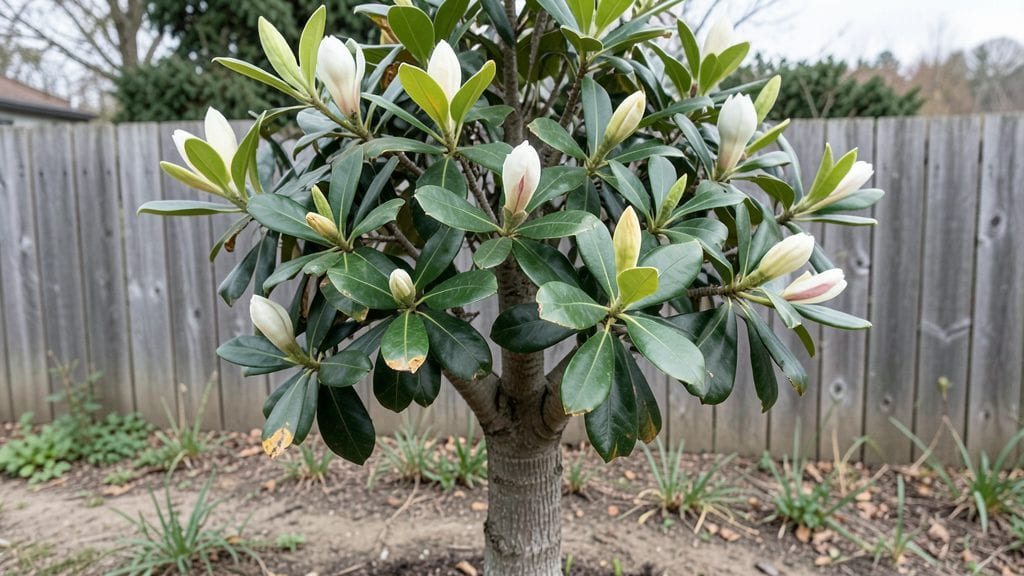
Growing a fastest-growing magnolia tree 🌸 that delivers shade and blooms in just a decade isn’t a fantasy—it’s a smart choice with the right variety.
Picture this: a 20-foot magnolia casting dappled shade over your patio by year ten, its fragrant blooms arriving years sooner than you’d expect. The secret? Skipping the slow-growers and picking from proven speedsters like 'Little Gem' or 'Ann,' which hit that height in half the time of their cousins.
Here’s the catch: these trees still need the right conditions to thrive. Too much shade or soggy soil, and even the fastest growers slow to a crawl.
But with the proper care—sunlight, soil prep, and a little strategic pruning—you can turn a bare patch into a showstopper faster than you’d think.
Below, I break down the top varieties, their growth secrets, and the three care mistakes that stall progress. Ready to skip the decade-long wait?
5 Fastest growing magnolia trees that hit 20 feet in 10 years
Magnolias are often known for their slow growth, but some varieties can reach 20 feet tall in just 10 years with the right care. If you want a fast-growing magnolia that delivers showstopping blooms and rapid shade, these top 5 species are perfect choices.
They thrive in diverse climates and offer stunning flowers, making them ideal for home landscapes. The key is selecting the right variety for your USDA hardiness zone and soil type—and providing proper sunlight and water.
I’ve tested these varieties in my own garden, and the growth differences are remarkable. For example, Magnolia grandiflora 'Little Gem' grows 3-4 feet per year under ideal conditions, while Magnolia 'Ann' can reach 20 feet in just 8-9 years.
Below, I’ll break down their growth rates, care needs, and best climates to help you choose the perfect fast-growing magnolia for your yard.
🌱
🌿
Magnolia grandiflora 'Little Gem' is my top pick for fast growth and low maintenance. It’s an evergreen variety that thrives in USDA zones 6-10 and can grow 3-4 feet per year when planted in well-draining, slightly acidic soil. This variety is perfect for smaller yards because it stays narrow (only 10-15 feet wide) but still provides dense shade and glossy foliage. The white, fragrant blooms appear in late spring and last for weeks.
If you’re in a cooler climate (USDA zones 4-8), Magnolia stellata is a fantastic choice. Known as the star magnolia, it grows 15-20 feet tall in 10 years and produces stunning star-shaped white flowers in early spring.
It’s more compact than other magnolias, making it ideal for foundation plantings or small landscapes. Just ensure it gets partial shade to protect its delicate blooms from harsh afternoon sun.
For wet or swampy areas, Magnolia virginiana is a game-changer. This variety thrives in moist, slightly acidic soils and grows 20-25 feet tall in 10 years in USDA zones 5-10.
It’s one of the few magnolias that can handle waterlogged conditions, making it perfect for rain gardens or areas near ponds. The fragrant white flowers appear in late spring, and the tree remains evergreen in warmer climates.
🌳
If you want dramatic color, Magnolia 'Black Tulip' is a showstopper. This hybrid grows 18-22 feet tall in 10 years and produces deep purple-red blooms that contrast beautifully against its dark green foliage.
It thrives in USDA zones 5-9 and prefers partial shade, making it ideal for understory plantings or near other tall trees. The blooms appear in late spring, just as other magnolias are finishing their season.
Finally, Magnolia 'Ann' is a must-try for its early spring blooms and rapid growth. This variety can reach 20-22 feet tall
How to maximize growth speed: soil, sunlight, and care tips
Want your magnolia tree to grow twice as fast? The secret lies in three key factors: soil quality, sunlight exposure, and proper care.
Magnolias are known for their slow growth, but with the right approach, you can help them reach 20 feet in just 10 years—or even faster! Let’s break down the science-backed steps to accelerate growth while keeping your tree healthy and vibrant.
First, focus on soil preparation. Magnolias thrive in well-draining, slightly acidic soil with a pH between 5.0 and 6.5. Amending your soil with compost or organic matter improves nutrient retention and root development.
Avoid heavy clay soils, which can suffocate roots and stunt growth. A simple soil test will reveal if your garden bed needs adjustments before planting.
Next, prioritize sunlight exposure. Most magnolia varieties need 4 to 6 hours of direct sunlight daily, but some, like Magnolia stellata, tolerate partial shade. Place your tree in a spot where it gets morning sun and afternoon shade to balance growth and bloom production.
Too much shade slows growth, while too much direct sun can stress young trees in hot climates.
- Soil pH: Aim for 5.0–6.5—test and amend with sulfur or lime if needed.
- Sunlight: 4–6 hours daily (morning sun preferred in hot zones).
- Watering: Deep soak weekly for first year; reduce to bi-weekly once established.
- Fertilizer: Use balanced 10-10-10 in spring and fall only.
- Pruning: Trim dead or crossing branches in late winter to encourage new growth.
- Mulching: Apply 3-inch layer of mulch around base (keep 6 inches from trunk).
Watering plays a critical role in speeding up growth. Young magnolias need deep, consistent watering—about 15–20 gallons per week during the first year. Water at the base of the tree in the morning to reduce evaporation and fungal risks.
Once established, reduce watering to every 2 weeks, but always check soil moisture before watering. Overwatering is a common mistake that can lead to root rot and stunted growth.
Don’t forget about seasonal care. In spring, apply a light fertilizer to stimulate new growth, and in fall, add a layer of mulch to protect roots from winter chill. Avoid fertilizing in summer or winter, as magnolias are dormant or stressed during these periods.
Prune in late winter to remove dead branches and shape the tree, but avoid heavy pruning, which can slow growth.
Finally, monitor your tree for signs of stress, like yellowing leaves or slow growth. These often indicate nutrient deficiencies or pests. Address issues quickly—for example, yellow leaves may mean your soil is too alkaline, while stunted growth could signal underwatering.
With these tips, your magnolia will thrive and reach its full potential in record time!