
Trees
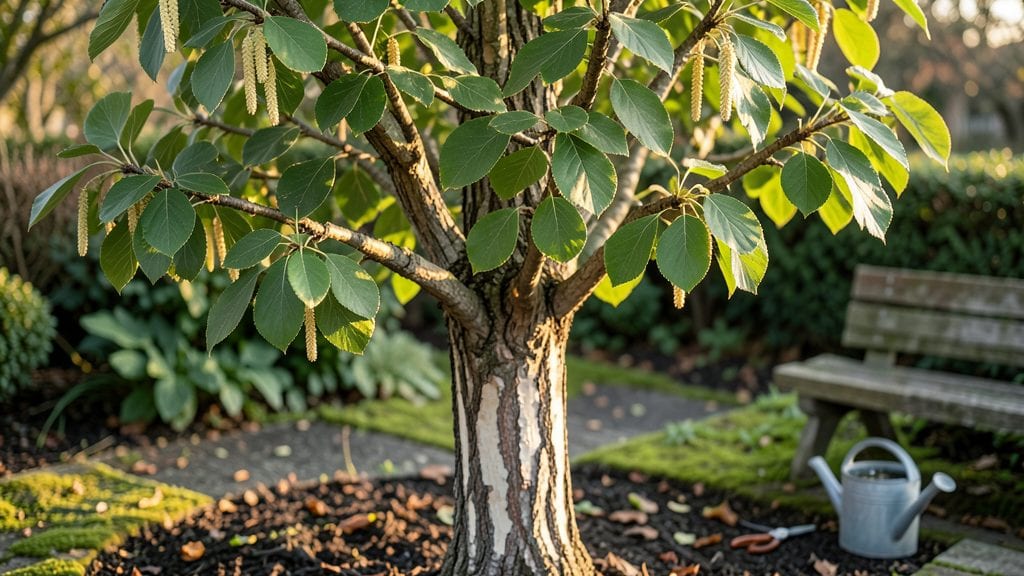
Filbert tree leaves tell the story of your tree’s health before you even notice the branches. 🌿 That first yellowing edge or sudden brown spots isn’t just cosmetic—it’s your tree’s way of whispering, "Something’s off." I’ve spent years watching filbert trees go from lush and green to stressed in just weeks, and I’ve learned to read their leaves like a gardener’s diagnostic chart.
Start by comparing your leaves to healthy ones: dark green, slightly fuzzy undersides, and no weird patterns. If yours look curled, spotted, or covered in tiny webs, you’re dealing with pests or disease. The good news?
Most issues have simple fixes—whether it’s pruning for airflow, spraying neem oil for mites, or adjusting watering to prevent fungal spots. I’ll walk you through the most common problems and how to tackle them before they become serious.
📚 In This Guide
- What you need
- Instructions
- Tips and common mistakes
- Wrapping up and next steps
What you need
- ● Fresh or dried filbert tree leaves – Collect 5–10 healthy leaves (avoid damaged or diseased ones).
- ● Magnifying glass or hand lens – A 10x magnification works best for examining fine details.
- ● Notebook or digital device – For recording observations (leaf shape, color, texture, etc.).
- ● Ruler or measuring tape – To measure leaf length and width (in inches or centimeters).
- ● Camera or smartphone – Capture close-up photos for reference or comparison.
- ● Field guide or plant identification app – Like iNaturalist or LeafSnap for cross-referencing.
- ● Leaf press or herbarium sheets – To preserve leaves for long-term study.
- ● Pencil and colored markers – For sketching leaf details (great for kids or artists!).
- ○ Gloves (optional) – If handling leaves from prickly or unknown trees.
How to identify filbert tree leaves with confidence
Here’s how to spot the telltale signs that distinguish filbert trees from their look-alikes.
🌿 Step 1: Examine Leaf Shape and Arrangement
Filbert tree leaves are oval with rounded tips and smooth, slightly wavy edges. They grow in alternate patterns along the branches, meaning each leaf attaches at a different point rather than in pairs. Hold a leaf up to the light—you’ll notice prominent veins that spread out evenly from the central stem. These veins give the leaf a delicate, almost lace-like texture.
Compare this to hazelnut trees (their close relatives), which have leaves with more jagged edges. Filbert leaves are also 3-5 inches long, with a slightly fuzzy underside that you can feel if you run your finger along it. This softness is a key clue—it’s a subtle but reliable trait.
🌱 Step 2: Check for Unique Leaf Clusters
Filbert trees are famous for their compound leaf clusters, where 5-9 leaflets grow together on a single stem. These clusters form a fan-like shape, almost like a hand with fingers spread wide. Each leaflet is 1-2 inches long and tapers to a point, creating a layered, textured look.
This is where filberts differ from other nut trees. Black walnut leaves, for example, grow in opposite pairs, while hickory leaves have 7-9 leaflets with sharp, pointed tips. Run your fingers along the edge of a filbert leaf cluster—you’ll feel the smooth, rounded contours that set them apart.
☀️ Step 3: Look for Bud and Bark Clues
Filbert tree buds are another dead giveaway. They’re oval and pointed, often covered in a sticky, resinous coating that’s easy to spot in spring. The bark is grayish-brown and smooth when young, developing shallow furrows as the tree matures. Scratch a small section—you’ll see a light green inner layer that’s a hallmark of filbert trees.
If the tree has catkins (long, dangling flower clusters) in early spring, that’s another confirmation. These catkins appear before the leaves and are a key identifier. Compare the bark to other nut trees: filbert bark stays relatively smooth, while black walnut bark develops deep grooves as it ages.
✂️ Step 4: Test for Nut Presence (If Possible)
While not always practical, checking for nuts is the ultimate confirmation. Filbert nuts grow in spiky, egg-shaped husks that split open to reveal 1-2 large, round nuts inside. The husks are 1-2 inches long and covered in soft, velvety spines. If you find these near the tree, you’ve got a filbert.
This step isn’t always necessary, but if you’re near a tree with nuts, it’s a foolproof way to confirm your ID. Just be cautious—filbert husks can be prickly! If nuts aren’t an option, focus on the leaves and bark instead. They’re the most reliable clues year-round.
🌿 Step 5: Compare to Common Look-Alikes
Filbert trees are often confused with hazelnuts, hickories, and even oaks. To avoid mistakes, memorize these key differences: hazelnut leaves are single, oval, and grow in clusters of 3-5, while filbert leaves are compound with 5-9 leaflets. Hickory leaves have 7-9 sharp leaflets, and oak leaves are lobed or jagged.
Here’s a quick mental checklist: rounded leaflets, smooth edges, fuzzy undersides, and fan-shaped clusters. If a tree checks all these boxes, you’re looking at a filbert. For extra confidence, snap a photo and compare it to reference images online. Visual cues are your best friend in this process!
Tips & tricks for identifying filbert tree leaves
Real talk: Even experienced gardeners sometimes mix up filbert trees with their look-alikes. Here’s how to nail the identification every time.
Leaf Texture is Your Secret Weapon: In Step 1, when you’re examining leaf shape, don’t overlook the fuzzy underside. Run your thumb along the bottom of a filbert leaf—you’ll feel that signature softness. This fuzzy texture is a dead giveaway that separates filbert leaves from their smoother hazelnut cousins. I’ve seen people miss this detail and end up with the wrong tree entirely.
Cluster Count Matters: During Step 2, when checking leaf clusters, count those leaflets carefully. True filbert clusters have 5-9 leaflets per stem. If you see clusters with fewer than 5 or more than 9, you’re probably looking at a different species. I’ve had to correct people who thought 7-leaflet clusters were filberts—those belong to hickory trees!
Spring is Your Best Friend: If you’re identifying in early spring (before leaves fully emerge), focus on Step 3’s bud and catkin clues. Those sticky, resinous buds and dangling catkins are unmistakable. I’ve used this trick to confirm filberts in winter when leaves weren’t visible—just look for those distinctive spring signs.
Photographic Backup: For maximum confidence, snap a photo of the leaves from multiple angles. The fan-shaped clusters and rounded leaflets show up clearly in photos, making it easy to compare with reference images later. I always keep my phone handy when identifying new trees—it’s saved me from mistakes more times than I can count.
Pro Tips for Filbert Tree Leaves
- Real talk: Even experienced gardeners sometimes mix up filbert trees with their look-alikes.
- Leaf Texture is Your Secret Weapon: In Step 1, when you’re examining leaf shape, don’t overlook the fuzzy underside.
- Cluster Count Matters: During Step 2, when checking leaf clusters, count those leaflets carefully.
Frequently asked questions
Got questions about those glossy filbert tree leaves gracing your yard? You’re not alone! Here are answers to the most common queries—from identification to care—so you can keep your tree thriving.
What do filbert tree leaves look like compared to other trees?
Filbert (or hazelnut) tree leaves are oval-shaped with serrated edges, about 2–5 inches long, and have a smooth, slightly waxy texture. They’re often darker green on top and lighter underneath. Unlike oak leaves (lobed) or maple leaves (palmate), filbert leaves grow alternately on the stem and lack the distinct "finger-like" shape of walnut leaves.
When is the best time to prune filbert trees for healthy leaf growth?
Prune your filbert tree late winter or early spring (before buds swell) to encourage new growth. Avoid pruning in fall or winter—this can stress the tree or invite pests. If you spot dead or diseased branches mid-season, remove them immediately, but wait for dormant season for major shaping. Pro tip: Sterilize tools with rubbing alcohol to prevent disease spread!
Why are my filbert tree leaves turning yellow or brown?
Yellowing leaves often signal nutrient deficiency (like nitrogen or magnesium) or overwatering. Brown, crispy edges? Likely underwatering or drought stress. Check soil moisture—filbert trees prefer well-draining, slightly acidic soil (pH 6.0–7.0). If pests (like aphids or spider mites) are present, treat with neem oil or insecticidal soap. Test soil annually to catch issues early!
Can I use filbert tree leaves for anything besides decoration?
While not as common as mulberry or oak leaves, filbert leaves can be composted (chopped first for faster decomposition) or used as light mulch around the base of the tree. Caution: Avoid using them for tea or culinary purposes—they’re not edible and may cause stomach upset. Some gardeners also use fallen leaves to suppress weeds naturally!
How do I tell if my tree is a filbert vs. a hazelnut tree?
Filbert and hazelnut trees are the same species (Corylus spp.)—the terms are often used interchangeably! However, "filbert" typically refers to European varieties (like Corylus avellana), while "hazelnut" may include American natives (e.g., Corylus americana). Check the leaf shape, nut size (filberts are usually smaller), and growth habit—filberts often grow in multi-stemmed clusters. DNA test kits exist if you’re really curious!
Still stumped? Snap a photo of your tree’s leaves and bark and compare it to online databases like the USDA Plant Database or iNaturalist for a quick ID!
Wrapping up and next steps
Identifying your filbert tree leaves isn’t just about curiosity—it’s the first step to nurturing a thriving garden or ensuring your tree stays healthy. From their serrated edges and distinctive shape to their seasonal changes, these leaves tell a story of resilience and beauty.
Now that you’ve got the know-how, why not take action? Grab a pair of gloves, head outdoors, and give your filbert tree the attention it deserves! Whether you’re pruning, admiring, or simply learning, every step connects you closer to nature’s wonders. 🌿✨
Next up:
- 📅 Plan a seasonal check-in to monitor leaf health and growth.
- 🌱 Consider companion planting to enhance your filbert tree’s environment.
- 📖 Dive deeper into filbert tree care with our comprehensive guide.