
Planting
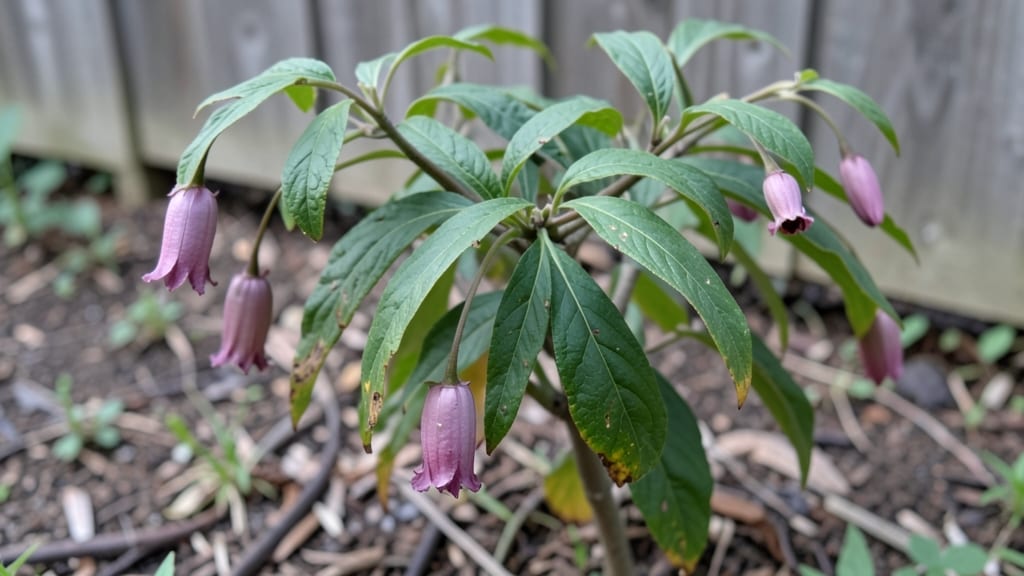
Fuchsia trees bring that dramatic, hanging-bloom beauty to your garden with less fuss than you’d think. 🌿 I planted mine two years ago in a shady corner, and now it’s dripping with blossoms—no high-maintenance routine required.
The key is mimicking their natural habitat: rich, well-draining soil and morning sun with afternoon shade, whether in containers or the ground.
You’ll need a spot that gets 3-6 hours of sunlight daily, a mix of peat moss and perlite for drainage, and patience—these trees take 2-3 years to really shine. Start with a healthy nursery plant (avoid those leggy, bare-stemmed ones), and keep the soil consistently moist but never soggy.
Prune after blooming to encourage bushier growth, and watch those pendulous flowers multiply.
By year three, you’ll have a lush, flowering focal point that hummingbirds adore. The blooms come in every shade from magenta to white, and they keep coming back if you deadhead spent flowers.
Even in containers, they thrive—just move them indoors before frost. The payoff? A garden that feels like a tropical escape without the tropical effort.
Fair warning: Fuchsias hate heatwaves and dry spells, so mulch well and water deeply during droughts. But once established, they’re drought-tolerant and nearly pest-proof. The secret to their success?
Treat them like the low-maintenance divas they are—give them shade, water, and occasional pruning, and they’ll reward you with years of effortless color.
📚 In This Guide
- What you need
- Instructions
- Tips and common mistakes
- Wrapping up and next steps
What you need
- ● Fuchsia Tree Plant: Seedlings (3–6 inches tall) or Fuchsia magellanica cuttings (pre-rooted or fresh)
- ● OR a 1–3 gallon container-grown fuchsia tree (check local nurseries for Fuchsia ‘Gracilis’ or Fuchsia ‘Riccartonii’ varieties)
- ● Well-draining soil: 5–10 lbs of peat-based potting mix (or a blend of 50% peat moss + 50% perlite/sand for DIY)
- ● Container or garden bed: For pots: 1–3 gallon containers with drainage holes (1 per plant)
- ● For garden beds: A sunny spot with partial shade (4–6 hours) and loose, acidic soil (pH 5.5–6.5)
- ● Fertilizer: 1 tbsp of balanced 10-10-10 fertilizer or acid-loving plant food (like Miracle-Gro Azalea, Camellia, and Rhododendron)
- ● Watering can or hose: With a gentle spray nozzle (fuchsias hate soggy roots!)
- ● Pruning shears: Sharp, clean pair for trimming dead blooms or shaping the plant
- ● Mulch (2–3 inches of pine bark or wood chips) to retain moisture and acidify soil
- ● Epsom salt (1 tsp per gallon of water) for magnesium boost during flowering season
- ● Support stakes or small trellis (for Fuchsia ‘Gracilis’, which can get leggy!)
- ● Slow-release fertilizer tablets (for container plants)
- ● Humidity tray or pebble tray (if growing indoors)
How to plant a fuchsia tree for long-term blooms
Here's the straightforward method I use to establish healthy fuchsia trees that reward you with vibrant blooms for years.
🌱 Step 1: Select the Right Location and Prepare the Site
Fuchsia trees thrive in partial shade, needing only 3-4 hours of morning sun and protection from hot afternoon rays. I always plant mine where they receive dappled light from nearby trees—this mimics their natural understory habitat. Choose a spot with well-draining soil that's rich in organic matter; fuchsias despise soggy roots.
Before planting, loosen the soil to a depth of 12 inches using a garden fork. Amend the area with 3-4 inches of compost mixed into the top 6 inches of soil. This improves drainage while providing nutrients without overwhelming the young roots. If your soil is particularly heavy clay, blend in 20% perlite to create air pockets.
🪴 Step 2: Plant at the Correct Depth and Spacing
Dig a hole twice as wide as the root ball but only as deep as the container's base. Gently remove the fuchsia from its nursery pot and tease the roots outward if they're circling. Position the plant so the top of the root ball sits just below soil level—never deeper, as this can suffocate the stem.
Backfill with native soil mixed with a handful of slow-release fertilizer (like 10-10-10), tamping lightly as you go. Space plants 4-6 feet apart to allow airflow and prevent fungal diseases. Water deeply immediately after planting to settle the soil and eliminate air pockets around the roots. You'll know it's right when water drains freely from the bottom of the hole.
💧 Step 3: Establish a Consistent Watering Routine
Water newly planted fuchsias twice weekly for the first 4 weeks, providing 1-2 gallons per plant each time. After that, shift to deep watering once weekly—enough to moisten the soil 12 inches down. Fuchsias signal thirst by drooping leaves, but don't wait until they wilt; consistent moisture prevents stress and encourages strong root growth.
I always water at the base rather than overhead to reduce fungal risks. Mulch with 2-3 inches of organic mulch (like shredded bark) around the plant, keeping it 3 inches away from the stem. This conserves moisture, regulates soil temperature, and suppresses weeds—just what fuchsias need to establish without competition.
✂️ Step 4: Prune for Shape and Encourage Blooms
Prune fuchsias twice yearly: once after flowering in late summer to shape the plant, and again in early spring to remove dead wood. I cut back leggy stems by one-third to encourage bushier growth. Always use clean, sharp pruners and make cuts just above a leaf node at a 45-degree angle to promote healing.
Remove spent blooms regularly throughout the season to redirect energy into new flowers. This practice, called deadheading, keeps your fuchsia looking tidy and prolongs the blooming period. In colder climates, wrap young trees with burlap during winter to protect them from freezing winds—fuchsias are tender and can't handle temperatures below 25°F.
☀️ Step 5: Fertilize for Continuous Color
Feed fuchsias monthly during the growing season (spring through fall) with a balanced liquid fertilizer (like 20-20-20) diluted to half strength. This light application prevents salt buildup while providing steady nutrients. I always water the plants 24 hours before fertilizing to avoid root burn from concentrated solutions.
Stop fertilizing in late summer to allow the plant to harden off for winter. If you notice yellowing leaves, it's often a sign of over-fertilizing—flush the soil with water to leach out excess salts. Healthy fuchsias have deep green leaves and vibrant buds; if you see pale foliage or sparse blooms, it's time to adjust your feeding schedule or check for pests like aphids.
Tips & tricks for perfect fuchsia tree planting
Here's what nobody tells you about establishing fuchsias that thrive for years—these are the details that separate a struggling plant from a showstopper.
Location is Everything: That 3-4 hours of morning sun is non-negotiable, but here's the secret: position your fuchsia where it gets filtered light through nearby trees or a sheer curtain. Direct afternoon sun will scorch the delicate leaves, while too much shade means fewer blooms. I've planted mine under a large oak where they get dappled light all day—this mimics their natural understory habitat perfectly.
Soil Science Matters: When amending your 6 inches of topsoil with 3-4 inches of compost, don't just dump it in. Mix it thoroughly to create a uniform blend that prevents nutrient pockets. For heavy clay soils, that 20% perlite isn't just about drainage—it creates tiny air pockets that fuchsia roots crave. I've seen plants struggle in "amended" soil that wasn't properly mixed, so take the time to blend it well.
Watering Wisdom: Those first 4 weeks with twice-weekly watering are critical, but here's the pro move: water deeply until you see drainage from the bottom of the hole. This ensures roots establish downward rather than staying shallow. After that weekly deep watering, check soil moisture by sticking your finger 2 inches down—if it's dry, water; if damp, wait. Overwatering is the #1 killer of fuchsias.
Pruning Payoff: The twice-yearly pruning schedule works, but here's the technique that changes everything: when you cut back those leggy stems by one-third, always make your cuts just above a leaf node at a 45-degree angle. This creates a larger surface area for faster healing and directs growth exactly where you want it. I've seen plants recover from pruning mistakes, but perfect cuts make all the difference.
Pro Tips for Fuchsia Tree Plant
- Here's what nobody tells you about establishing fuchsias that thrive for years—these are the details that separate a struggling plant from a showstopper.
- Location is Everything: That 3-4 hours of morning sun is non-negotiable, but here's the secret: position your fuchsia where it gets filtered light through nearby trees or a sheer curtain.
- Soil Science Matters: When amending your 6 inches of topsoil with 3-4 inches of compost, don't just dump it in.
Frequently asked questions
Got questions about growing your own fuchsia tree plant? You’re not alone! Here are some of the most common queries—plus straightforward answers to help you cultivate stunning blooms with ease.
How long does it take for a fuchsia tree to bloom after planting?
A healthy fuchsia tree typically starts producing vibrant blooms within 2–3 years of planting, especially when given the right care. Young plants may take a little longer, but patience pays off with dramatic, long-lasting flowers in shades of pink, purple, and red!
Can fuchsia trees survive winter frost?
Fuchsias are tender perennials and can’t handle frost below 25°F (-4°C). In colder climates, protect your plant by potting it up and moving it indoors or covering it with frost cloth. Alternatively, treat it as an annual and replant each spring for fresh growth.
How often should I water my fuchsia tree?
Keep the soil consistently moist but not soggy—water when the top inch feels dry. Fuchsias love humidity, so mist the leaves or place the pot on a pebble tray with water to mimic their natural tropical habitat. Overwatering can lead to root rot, so balance is key!
What pests commonly attack fuchsia trees, and how do I treat them?
Watch for aphids, spider mites, and whiteflies, which love fuchsia leaves. Treat infestations early with neem oil or insecticidal soap, and wipe leaves with a damp cloth to remove pests manually. Healthy plants with good airflow resist pests better!
Are there any low-maintenance alternatives to fuchsia trees?
If fuchsias feel high-maintenance, try bougainvillea (drought-tolerant and colorful) or hibiscus (hardy and fast-growing). For shade lovers, impatiens or begonias offer similar beauty with slightly less fuss. Each has unique care needs, so pick what fits your garden style!
Wrapping up and next steps
The fuchsia tree plant is a stunning, low-maintenance addition that rewards patience with vibrant blooms in just three years! Whether you’re a beginner or a seasoned gardener, its resilience and beauty make it a must-have.
Ready to transform your space? Start by gathering your supplies, choose the perfect spot, and watch your garden glow with color! 🌸✨
- Next step: Pick your favorite fuchsia variety and begin planting—your future blooms will thank you!