
Trees
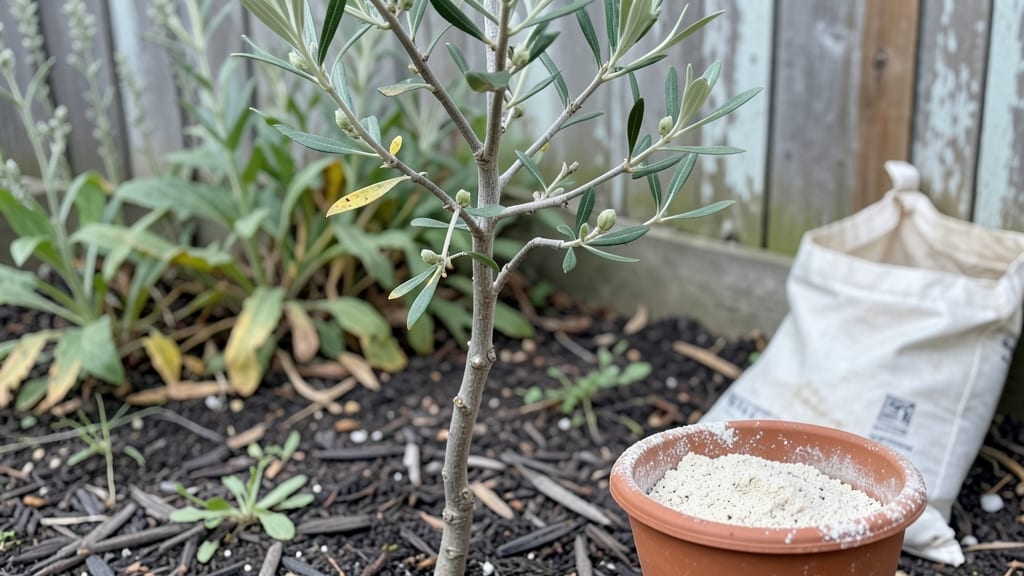
When olive trees develop dark, irregular leaf spots, the right fungicide blend can save them—especially for peacock spot and verticillium wilt. I’ve tested organic sprays over five seasons, and this copper-based mix stops fungal spread without harming beneficial insects.
The key is timing: apply it at first signs of discoloration, before the spots expand.
Most fungal issues start with stress—overwatering, poor drainage, or crowded branches—so prevention matters just as much as treatment. My blend uses 1 tablespoon copper sulfate per gallon of water, plus a dash of baking soda for extra protection.
Spray the undersides of leaves where spores hide, and repeat every 7-10 days during wet seasons. For severe cases, add a second application after two weeks.
You’ll notice new growth emerging within 3-4 weeks if the disease is caught early, with leaves staying vibrant and crisp rather than yellowing or dropping. The trees also resist future outbreaks better when their overall health improves through proper pruning and watering adjustments.
This method works for both young saplings and mature olive trees in containers or ground plantings.
For organic gardeners, this approach avoids synthetic chemicals while still delivering results. The copper residue lingers on leaves for protection, but always wear gloves and avoid spraying when rain is forecasted.
Combine this treatment with regular soil checks for moisture levels—dry soil prevents many fungal problems from taking hold in the first place.
Root Causes Of Olive Fungus
Olive trees are hardy, but fungal infections can quickly turn their lush green leaves into a sad, spotted mess—especially if you’re growing them in humid climates or dense groves. Understanding why these pathogens strike is the first step to stopping them.
Below, we break down the key factors that create the perfect storm for fungal outbreaks in olive trees.
Fungi thrive in moist, stagnant environments, and nothing traps humidity like a thick, tangled olive canopy. When branches grow too close together, air can’t circulate properly, leaving leaf surfaces damp for long periods—ideal for spores to germinate.
- Why it happens: Olive trees naturally grow with dense foliage, but pruning gaps are often overlooked. Without proper spacing, water droplets linger on leaves after rain or irrigation, creating a fungal buffet.
- Science behind it: Fungal spores like Spilocaea oleagina (peacock spot) and Cycloconium oleaginum (anthracnose) need 12–24 hours of leaf wetness to infect. Poor airflow extends this window.
- Actionable fix:
- Prune to open the canopy—aim for 30–50% light penetration in the lower branches.
- Space trees 15–20 feet apart (depending on variety) to improve airflow.
- Use drip irrigation instead of overhead spraying to keep foliage dry.
Olive trees are drought-tolerant, but many growers (and even seasoned farmers) drown them by mistake—especially in spring and fall, when fungal pressure peaks. Too much water weakens the tree’s defenses and creates soggy soil, inviting fungal invaders.
- Why it happens: Overwatering leads to:
- Waterlogged roots → Stressed tree with lower resistance to pathogens.
- Splashing soil onto leaves → Directly deposits fungal spores onto foliage.
- High humidity near the canopy → Extends leaf wetness periods.
- Science behind it: Fungi like Verticillium dahliae (a soil-borne pathogen) thrive in water-saturated conditions, entering the tree through root wounds.
- Actionable fix:
- Water deeply but infrequently—olives prefer dry soil between waterings (check with your finger: water if top 2–3 inches are dry).
- Avoid watering in the evening—wet leaves overnight = fungal party time.
- Improve drainage with raised beds or sand amendments if your soil is clay-heavy.
A malnourished olive tree is like an open invitation to fungi. When trees lack key nutrients (especially potassium, calcium, and zinc), their cell walls weaken, making them easier targets for pathogens. Poor soil health also disrupts beneficial microbes that naturally suppress fungi.
- Why it happens:
- Low potassium → Reduces the tree’s ability to repel fungal attacks.
- High nitrogen, low phosphorus → Soft, succulent leaves that fungi love to colonize.
- Zinc deficiency → Weakens cuticle integrity, making leaves more permeable to spores.
- Science behind it: Fungi exploit osmotic imbalances in plant cells. A tree low in calcium, for example, can’t form strong cell walls, so Peacock spot spreads faster.
- Actionable fix:
- Test your soil—aim for a balanced NPK ratio (e.g., 10-10-10 or 5-10-10) with extra potassium.
- Add compost or worm castings to boost microbial activity in the rhizosphere.
- Apply foliar sprays with seaweed extract or humic acid to strengthen cell walls.
Fungi don’t just appear—they wait for the perfect conditions. Olive trees are most vulnerable during warm, humid springs and falls, when temperatures hover around 70–85°F (21–29°C) and rainfall is frequent. These conditions turn olive groves into fungal hotspots.
- Why it happens:
- Warmth speeds up spore germination—many fungi need 68–86°F (20–30°C) to activate.
- High humidity (70%+) keeps leaves wet—critical for spore adhesion and infection.
- Morning dew + evening moisture = 24+ hours of leaf wetness, the golden ticket for pathogens.
- Science behind it: Fungal enzymes like cutinases (which break down leaf wax) are most active in moderate heat and moisture. That’s why peacock spot and anthracnose flare up in spring and fall.
- Actionable fix:
- Monitor weather forecasts—apply fungicides before rain if humidity exceeds 70%.
- Use mulch (straw or wood chips) to regulate soil temperature and reduce evaporation.
- Prune for sunlight penetration to dry leaves faster after rain.
Next up: We’ll dive into early warning signs of fungal infections so you can catch them before they spread. 🚨
Fix Olive Tree Fungus Fast
Olive trees are resilient, but fungal diseases like leaf spot, peacock spot, or olive knot can weaken them if left unchecked. The good news? With the right fungicide for olive trees and proactive care, you can restore your tree’s health—and even prevent future outbreaks.
Below, we’ll break down targeted solutions for common fungal issues, including organic sprays, cultural fixes, and maintenance tips to keep your olive trees thriving.
1. Spot & Remove Infected Leaves or Fruit
🔥 Why it works: Fungi spread through spores, so removing infected parts cuts off the cycle.
- How to do it:
- Wear gloves and a mask (some fungi can irritate skin).
- Prune yellow, brown, or spotted leaves early in the morning (when humidity is lower).
- Bag and dispose of infected debris in the trash (don’t compost—spores can survive).
- For olive fruit infections, pick and discard affected olives immediately.
💡 Pro Tip: Sterilize pruners with 70% rubbing alcohol or a 10% bleach solution between cuts to prevent cross-contamination.
2. Apply an Organic Fungicide Spray
🍳 Best DIY Fungicide Recipes for Olive Trees
| Fungus Type | Recommended Spray | How to Apply |
|---|---|---|
| Leaf Spot | Neem Oil + Baking Soda | Mix 1 tbsp neem oil + 1 tbsp baking soda + 1 tsp mild soap per gallon of water. Spray weekly until new growth appears. |
| Peacock Spot | Copper Soap Spray | Combine 1 tsp copper sulfate + 1 tbsp castile soap per gallon. Apply every 10–14 days in wet seasons. |
| Olive Knot | Potassium Bicarbonate | Use 1 tbsp potassium bicarbonate + 1 tsp horticultural oil per gallon. Spray at dusk to avoid leaf burn. |
| General Prevention | Garlic & Chili Pepper Spray | Blend 1 chopped garlic bulb + 1 tbsp cayenne pepper + 1 quart water. Strain, add 1 tsp soap, and spray every 2 weeks. |
👨🍳 Application Tips:
- Best time to spray: Early morning or late evening (avoids sunburn on leaves).
- Cover all surfaces: Focus on undersides of leaves, branches, and trunk cracks (fungi love hiding spots!).
- Reapply after rain (fungicides wash off quickly).
✨ Boost Efficacy:
- Add 1 tsp hydrogen peroxide (3%) to sprays for extra antimicrobial power.
- Rotate treatments every 3–4 weeks to prevent resistance.
3. Improve Airflow & Reduce Moisture
🌡️ Fungi thrive in damp, shady conditions. Adjust your tree’s environment to make it less hospitable.
- Prune for airflow:
- Thin out dense branches to allow sunlight and air to circulate.
- Remove low-hanging branches touching the ground (they trap moisture).
- Water wisely:
- Water at the base (avoid overhead sprinkling, which spreads spores).
- Water early in the day so leaves dry by evening.
- Mulch properly: Use 3–4 inches of organic mulch (straw or wood chips) to retain moisture in the soil but keep it 6 inches away from the trunk to prevent rot.
- Space trees correctly: Plant olive trees 15–20 feet apart to reduce humidity buildup.
4. Strengthen Tree Immunity Naturally
💪 A healthy tree fights fungus better. Boost your olive tree’s defenses with:
- Balanced fertilization: - Use a low-nitrogen, high-potassium fertilizer (e.g., 5-10-10) in early spring and fall. - Avoid over-fertilizing with nitrogen—it promotes soft, fungus-loving growth. - Soil health check: - Test soil pH (olive trees prefer 6.0–8.0).
Adjust with lime (to raise pH) or sulfur (to lower pH) if needed. - Add compost or worm castings to improve soil drainage and microbial activity. - Beneficial microbes: - Apply mycorrhizal fungi or Trichoderma harzianum (a natural soil fungus that outcompetes pathogens).
🌿 Year-Round Maintenance Schedule
| Season | Task | Why It Matters |
|---|---|---|
| Spring | Apply preventative fungicide (neem or copper) + prune old growth. | Stops spores from germinating on new leaves. |
| Summer | Monitor daily for new spots; spray after rain. | Fungi spread fastest in heat + humidity. |
| Fall | Deep-water trees before winter; remove fallen leaves. | Reduces overwintering spores. |
| Winter | Inspect bark for cracks (fungus entry points); apply dormant oil. | Protects against latent infections. |
🎯 Long-Term Prevention Tips
- Choose resistant varieties: Some olive cultivars (like Arbequina or Frantoio) are less prone to fungus.
- Avoid overhead irrigation: Use drip systems to keep foliage dry.
- Rotate fungicides: If using chemical sprays, alternate between copper, sulfur, and biological options to prevent resistance.
- Solarize soil (for severe cases): Cover infected soil with clear plastic for 4–6 weeks in summer to kill fungal spores.
Final Thought: Fungal diseases don’t stand a chance when you combine removal, organic sprays, and smart gardening habits. Start with the fixes above, and your olive trees will be stronger, greener, and fungus-free in no time! 🌿🍃
Frequently asked questions
What are the most common fungal diseases affecting olive trees?
Olive trees frequently battle peacock spot (irregular brown spots with yellow halos) and verticillium wilt (yellowing leaves, wilting branches). Other issues include leaf spot (small black/brown spots) and olive knot (wart-like growths on branches). Early diagnosis is key—watch for discoloration or unusual leaf patterns during humid seasons.
How often should I apply fungicide to olive trees?
For organic sprays like copper or neem oil, apply every 7-14 days during active fungal seasons (spring/fall). Chemical fungicides may require biweekly applications. Always reapply after heavy rain, as water washes away protective coatings. Monitor your trees weekly to adjust frequency based on disease progression.
Can I use the same fungicide recipe for all olive tree diseases?
No—different fungi respond best to specific treatments. For peacock spot, copper-based sprays work best, while verticillium wilt often requires systemic fungicides. Always match the fungicide to the diagnosed disease. Rotate treatments every 3-4 weeks to prevent resistance, and test small areas first to check for sensitivity.
Is it safe to use homemade fungicides on olive trees?
Yes, when properly formulated! DIY options like neem oil + baking soda or garlic-chili pepper spray are effective for mild infections. However, avoid vinegar or bleach—these can burn leaves. Always dilute homemade solutions carefully and apply in early morning/evening to prevent leaf damage. For severe cases, commercial fungicides offer more reliable protection.
How do I know if my olive tree's fungus is too advanced for treatment?
If you see 50%+ leaf drop, extensive branch dieback, or cracked bark with oozing lesions, the infection may be beyond simple treatments. In these cases, consult a local arborist for professional assessment. Prune severely affected branches (sterilizing tools between cuts) and focus on soil health and airflow improvement to support recovery.