
Pests and Diseases
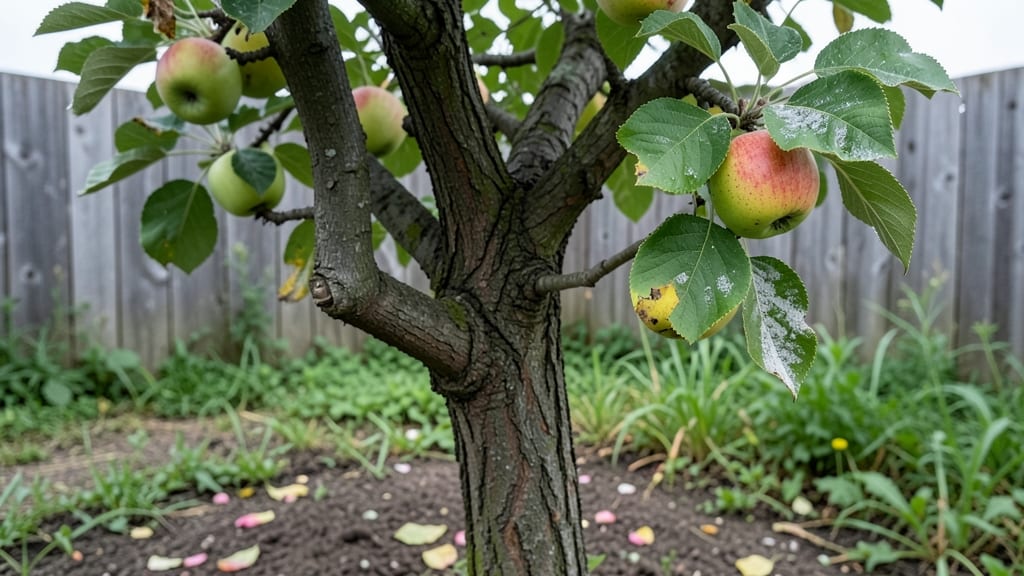
Fungus in apple trees can turn vibrant foliage into a sad, spotted mess—unless you catch it early. 🍎 I’ve watched my own orchard go from lush and productive to nearly lost when apple scab and powdery mildew took hold, but the right steps saved them.
The key isn’t just treating symptoms—it’s understanding what’s causing the problem in the first place.
Most fungal issues start with wet conditions, poor air circulation, or old, infected branches left in the tree. Apple scab thrives in damp springs, while powdery mildew loves hot, humid summers.
Pruning to improve airflow and removing fallen leaves can cut the risk by half—but even then, you’ll need to act fast when you spot those telltale dark spots or white powder on leaves.
With the right mix of organic sprays, copper fungicides, or sulfur treatments, you can bring your tree back to healthy within a season. The first step is knowing what you’re dealing with, so we’ll walk through symptoms, treatments, and prevention—so your apples stay sweet and your tree stays strong.
Whether you’re dealing with a single tree or a whole orchard, these methods work for both home gardens and larger setups. Let’s get your apple trees thriving again—no more sad, fungus-covered branches in sight.
Root Causes of Tree Fungus
Fungal infections in apple trees rarely happen by accident—they thrive when specific conditions align. Understanding these triggers is half the battle in prevention. Below, we break down the key factors that turn your orchard into a fungal buffet, complete with actionable science-backed explanations.
Fungi love moisture—think of them as aquatic invaders waiting for a monsoon.
Apple trees are especially vulnerable when: - Rainfall exceeds 1 inch per week (fungi like Venturia inaequalis, the apple scab pathogen, germinate within 9 hours of wet leaves). - High humidity (above 75%) persists for 12+ hours daily, creating a sauna effect on foliage and fruit. - Poor drainage keeps roots waterlogged, weakening the tree’s defenses and inviting root rot fungi (Phytophthora spp.).
Why it matters: Fungal spores need free water to germinate and infect. Even morning dew can be enough—imagine tiny spores sprouting like mushrooms after a night of condensation.
Tightly packed trees or dense foliage trap stagnant, humid air, turning your orchard into a fungal breeding ground.
Common culprits: - Overcrowded trees (prune to allow sunlight to reach the center). - Thick canopies (fungi like powdery mildew thrive in shaded, damp leaves). - Obstructed walkways (prevents airflow and delays fungicide application).
Why it matters: Fungi spread via spores carried by wind or splashing water. Poor airflow slows drying, giving spores more time to colonize.
A stressed tree is like an open door for fungi. Common stressors include:
- Nutrient deficiencies (low nitrogen or zinc weakens cell walls).
- Physical damage (hail, improper pruning, or animal bites create entry points).
- Drought or overwatering (both disrupt root health and nutrient uptake).
Why it matters: Healthy trees produce antifungal compounds (like phytoalexins). When stressed, these defenses falter, leaving trees vulnerable to Botryosphaeria (a common dieback fungus).
Fungal spores are persistent—they hitchhike on pruners, shoes, or even windblown soil.
High-risk sources: - Reused pruning tools (spores linger on blades; disinfect with 70% alcohol). - Infested mulch or compost (use sterilized materials or cedar chips). - Old stumps or debris (fungi like Armillaria survive in decaying wood for years).
Why it matters: A single contaminated cut can introduce spores directly into the tree’s vascular system, leading to systemic infections.
Leaving mummified fruit, fallen leaves, or infected prunings on the ground is like leaving a buffet for fungi. Key risks:
- Apple scab spores survive winter in infected debris.
- Monilinia fruit rot overwinters in mummified apples.
- Powdery mildew spreads via windblown spores from old leaves.
Why it matters: Cleanup isn’t just cosmetic—90% of fungal spores in spring come from last year’s organic matter. Remove debris before winter to starve fungal populations.
Fungi have optimal temperature ranges—cool, damp springs (50–70°F) are prime time for:
- Apple scab (thrives at 60–70°F with leaf wetness).
- Black rot (Botryosphaeria, active at 77–86°F).
- Powdery mildew (peaks at 75–85°F).
Why it matters: Extreme heat or cold can shock trees, lowering their resistance. Moderate temps + moisture = fungal jackpot.
Most infections require three things:
- A susceptible host (your apple tree).
- Favorable environment (moisture + warmth).
- Inoculum (spores from infected sources).
Break the triangle by:
- Removing inoculum (clean up debris).
- Improving drainage (raise beds or amend soil).
- Using fungicides preventatively (e.g., copper sprays for scab).
Key Takeaway: Fungal infections aren’t random—they’re opportunistic. By targeting moisture, immunity, and sanitation, you can starve out spores before they take hold. Next up: How to Spot Early Signs.
Quick Fixes for Apple Tree Fungus
Apple tree fungus may feel like a daunting challenge, but with the right approach, you can restore your orchard’s health and prevent future outbreaks. Below are targeted solutions based on the most common causes—from environmental conditions to poor maintenance—along with preventive tips to keep your trees thriving.
Fungus like apple scab and powdery mildew love damp conditions. If your soil stays soggy, take action immediately.
- 🔥 Improve Drainage
- Test your soil’s moisture retention with a simple dig-and-check: If water pools after 24 hours, amend the soil with compost or sand to loosen it.
- For container-grown trees, ensure pots have drainage holes and elevate them slightly off the ground.
- 🌧️ Adjust Watering Habits
- Water deeply but infrequently—aim for 1–1.5 inches per week, including rainfall. Avoid overhead sprinkling (use drip irrigation instead).
- Water early in the day so foliage dries quickly, reducing humidity around leaves.
- 🌡️ Boost Airflow
- Prune branches to open the canopy, allowing sunlight and air to circulate. Remove crossing or dead branches that trap moisture.
💡 Pro Tip: Mulch with wood chips or straw (not thick layers) to retain moisture without suffocating roots.
If you spot black spots, white powder, or rust-colored patches, these are classic signs of apple scab, mildew, or rust.
- 🍳 Clean Up Debris
- Remove fallen leaves, mummified fruit, and infected branches from the base of the tree. Burn or compost them far from the orchard (fungus spores can survive in soil).
- 👨🍳 Apply Fungicides (Organic & Chemical Options)
- Preventive spray (before symptoms appear):
- Baking soda spray (1 tbsp baking soda + 1 tbsp oil + 1 tsp dish soap per gallon of water) for mildew.
- Neem oil (1–2%) for early-stage scab or rust.
- Copper-based fungicides (like copper sulfate) work well for scab but apply early in the season (before blooms open).
- Synthetic options: Myclobutanil or Propiconazole for severe cases (follow label instructions).
- Preventive spray (before symptoms appear):
- 🥘 Prune Strategically
- Cut out infected leaves or branches ¼ inch below the damage. Sterilize pruners with rubbing alcohol between cuts.
✨ Prevention Hack: Spray trees with potassium bicarbonate (1–2%) every 10–14 days during wet seasons to deter fungal growth.
A tree under stress (from nutrient deficiency, pests, or drought) is more susceptible to fungus.
- 📊 Test & Amend Soil
- Conduct a soil test (local extension offices offer affordable kits). Apple trees thrive in slightly acidic soil (pH 6.0–6.5).
- Add balanced fertilizer (10-10-10) in early spring and potassium-rich compost to boost immunity.
- 💪 Support with Beneficial Microbes
- Apply mycorrhizal fungi or Trichoderma (a natural soil fungus) to outcompete harmful pathogens.
- 🍏 Monitor for Pests
- Aphids, mites, and borers weaken trees. Use insecticidal soap or horticultural oil for early infestations.
🎯 Long-Term Strategy: Plant resistant apple varieties (like ‘Liberty’ or ‘Enterprise’) if fungus is recurrent in your area.
| Fungus Type | Best Treatment Time | Key Signs to Watch |
|---|---|---|
| Apple Scab | Before buds swell (dormant season) | Olive-green spots on leaves, black fruiting bodies |
| Powdery Mildew | Early spring & summer | White, powdery coating on leaves |
| Rust | Late spring to summer | Orange-yellow pustules on undersides |
| Black Rot | Post-harvest cleanup | Sunken, black fruit lesions |
🔪 Emergency Action: If fungus spreads rapidly (e.g., during a wet spring), repeat fungicide sprays every 7–10 days until conditions improve.
✅ Sanitize tools with bleach or alcohol before/after pruning. ✅ Rotate fungicides to prevent resistance (e.g., alternate copper and sulfur). ✅ Plant companion plants like garlic, chives, or marigolds to deter fungi naturally. ✅ Thin fruit in summer to improve airflow and reduce humidity in the canopy. ✅ Avoid overhead watering—stick to drip irrigation or soaker hoses.
By tackling the root cause (literally and figuratively) and staying proactive, your apple trees can bounce back stronger. Healthy trees = fewer fungal battles! 🍏🌟
Frequently asked questions
How do I tell if my apple tree has fungus?
Look for distinctive markings like olive-green spots with yellow halos (apple scab), white powdery coatings (mildew), or orange-yellow pustules (rust). Check both leaf surfaces and fruit for dark lesions or discoloration. Early signs often appear on younger leaves or fruit first.
Can I use household items to treat fungal infections?
Yes! A baking soda spray (1 tbsp baking soda + 1 tbsp oil + 1 tsp dish soap per gallon of water) works well for powdery mildew. Neem oil (1–2%) is effective against early-stage scab or rust. Always test on a small area first and reapply every 7–10 days during wet conditions.
When is the best time to prune infected branches?
Prune during dormant season (late fall or winter) to remove dead or heavily infected branches. For active infections, prune in dry weather and sterilize tools with rubbing alcohol between cuts. Remove infected material far from the tree to prevent spore spread.
Will fungicides harm bees or other pollinators?
Most fungicides are not toxic to bees when used as directed, but timing matters. Avoid spraying when flowers are open. Copper-based fungicides and sulfur are generally safe, while systemic options like Myclobutanil should be applied before blooming to minimize exposure.
How long does it take to see improvement after treatment?
With proper care, you’ll see noticeable improvement in 2–4 weeks. New growth should appear healthier, and existing symptoms may fade. For severe cases, repeat treatments every 7–14 days until conditions improve. Consistency is key—don’t skip applications during wet seasons!