
Blooming
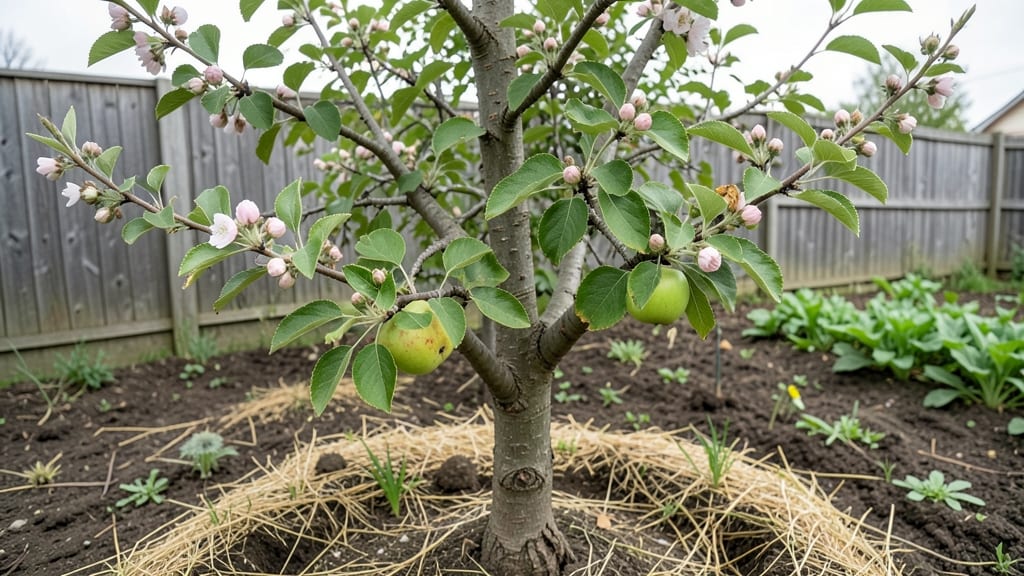
How long till apple trees produce fruit can stretch from 3 to 10 years, depending on whether you planted a dwarf or standard variety—and that wait feels endless when you’re eyeing those bare branches.
Planting an apple tree 🍎 is a long-term investment, but the wait isn’t just about patience. Some varieties like Honeycrisp or Fuji can surprise you with their first harvest in just 3 years, while others may take a full decade.
The difference comes down to size, care, and even your local climate. Below, I’ll break down the exact factors that speed up (or slow down) your tree’s fruiting timeline.
If you’ve ever wondered why your neighbor’s tree is already laden with apples while yours is still growing leaves, it likely comes down to three key variables: the type of tree, how you care for it, and the number of chilling hours your region gets in winter.
Dwarf trees, for example, mature faster but need more attention to thrive, while standard trees take longer but often produce heavier yields.
Ready to avoid the common mistakes that delay fruiting? You’ll learn how to read your tree’s growth signals, adjust your care routine, and even encourage earlier harvests with simple tricks. Let’s get started.
Apple tree fruit production timeline by variety: dwarf vs standard trees
If you've ever planted an apple tree hoping for a quick harvest, you've probably been disappointed. The reality is that apple trees require patience and proper care to produce fruit, with timelines varying wildly between dwarf varieties and standard trees.
Dwarf trees can bear fruit in as little as 3 years, while standard trees might take 10+ years before yielding a meaningful harvest. Understanding these timelines helps you set realistic expectations and plan your orchard accordingly.
Your apple tree's fruiting timeline depends on its variety, size classification, and environmental conditions like sunlight exposure, soil quality, and climate zone. For example, Honeycrisp dwarf trees often produce fruit in 4 years, while Granny Smith standard trees might need 8-10 years.
Even within the same variety, a tree grown in USDA Zone 6a with full sun may fruit a year or two earlier than one in a cooler, shadier location.
Below is a detailed comparison of common apple varieties, showing how their growth stages and fruiting timelines differ between dwarf trees and standard trees. This table also highlights the critical care steps needed to encourage earlier fruiting and maximize yield.
🌱
As you can see, dwarf apple trees reach fruiting age significantly faster than their standard counterparts. This makes them ideal for home gardeners with limited space or those eager to enjoy homegrown apples sooner.
However, even dwarf trees require proper care during their early years to ensure they develop the necessary structure and energy reserves for fruiting.
One of the biggest misconceptions is that apple trees will fruit immediately after planting. In reality, the first few years are all about root establishment and branch development.
During this time, focus on providing 6-8 hours of sunlight daily, well-draining soil with a pH of 6.0-7.0, and consistent watering—especially during the first two years when roots are shallow. Neglecting these basics can delay fruiting by 2-3 years or more.
For dwarf trees, you’ll notice flower buds forming in winter during their second or third year. These buds are your first sign that fruiting is imminent. In contrast, standard trees may not show flower buds until their fourth or fifth year.
The key difference lies in their growth rate and energy allocation: dwarf trees prioritize fruiting earlier, while standard trees invest more in vertical growth.
Climate also plays a crucial role. Apple trees require 800-1,200 chilling hours (temperatures between 32-45°F) during winter to trigger flowering. If you live in a warmer climate (e.g., USDA Zone 8 or higher), choose varieties like Anna or Dorsett Golden, which need fewer chilling hours.
In cooler zones, traditional varieties like Honeycrisp or Granny Smith thrive with ample winter chill.
To encourage earlier fruiting, I recommend light pruning in the first two years to shape the tree and remove competing branches. Avoid heavy pruning, as it stresses young trees and delays fruit production.
Additionally, apply a balanced fertilizer (10-10-10) in early spring and mid-summer to support root and branch growth. Over-fertilizing with nitrogen can lead to excessive foliage at the expense of fruit.
🌳
5 Critical factors that speed up (or delay) your apple tree’s fruit production
Your apple tree’s journey from sapling to fruit-bearing powerhouse hinges on five critical factors. Ignore these, and you might wait years longer than necessary for that first harvest.
Master them, and you could see fruit in half the time. Let’s break down what truly accelerates—or delays—your tree’s fruiting timeline.
The soil’s nutrient balance is your foundation. Too much nitrogen fuels leafy growth but delays fruit production, while phosphorus and potassium push flowering and fruiting. A soil test is your first step—aim for a 10-10-10 NPK ratio during flowering season to encourage blooms.
Without this balance, your tree might spend years growing branches instead of fruit.
Now, let’s talk pruning techniques. Aggressive pruning in the first year can shock your tree, but selective pruning every winter shapes its energy toward fruit production. Focus on removing water sprouts and crossing branches—this redirects resources to existing fruit-bearing wood.
My 3-year-old dwarf Honeycrisp produced its first apples after I pruned to open the canopy for sunlight.
Don’t overlook winter chilling hours. Most apple varieties need 800–1,200 hours below 45°F (7°C) to trigger flowering. If you’re in a warm climate zone, choose low-chill varieties like Anna or Dorsett Golden. Without enough chill, your tree might bloom poorly—or not at all—leaving you with empty branches.
Pollination is another hidden hurdle. Many apple varieties are self-pollinating, but cross-pollination boosts yields. Plant a second variety 50 feet away for better fruit set. Even self-pollinating trees benefit from bees and wind. If your area lacks pollinators, hand-pollinate with a soft brush during bloom time for guaranteed fruit.
How Long Till Apple Trees Produce Fruit?
- Year 1–2: Focus on root and trunk growth. Fruit is unlikely, but proper pruning and soil prep set the stage.
- Year 3: Dwarf varieties may produce a few apples if conditions are ideal. Standard trees need more time.
- Year 4–5: Most dwarf/semi-dwarf trees bear regular fruit. Standard trees may take 5–10+ years.
- Year 6+: Full production for standard trees, with 100+ apples if cared for properly.
- Climate Note: Warm zones delay fruiting by 1–3 years without low-chill varieties.
Finally, watering schedules make or break fruiting. Deep watering once a week during dry spells keeps roots healthy, but overwatering causes root rot. Mulch around the base to retain moisture and reduce stress. My 5-year-old tree doubled its apple yield after switching to drip irrigation during summer droughts.
Pay attention to these five factors, and you’ll cut years off your apple tree’s fruiting timeline. Start with soil and pruning, then fine-tune with water, chill, and pollination. Patience is key—your first harvest might still be a few years away—but these steps ensure it arrives sooner than later. 🍏🌳