
Trees
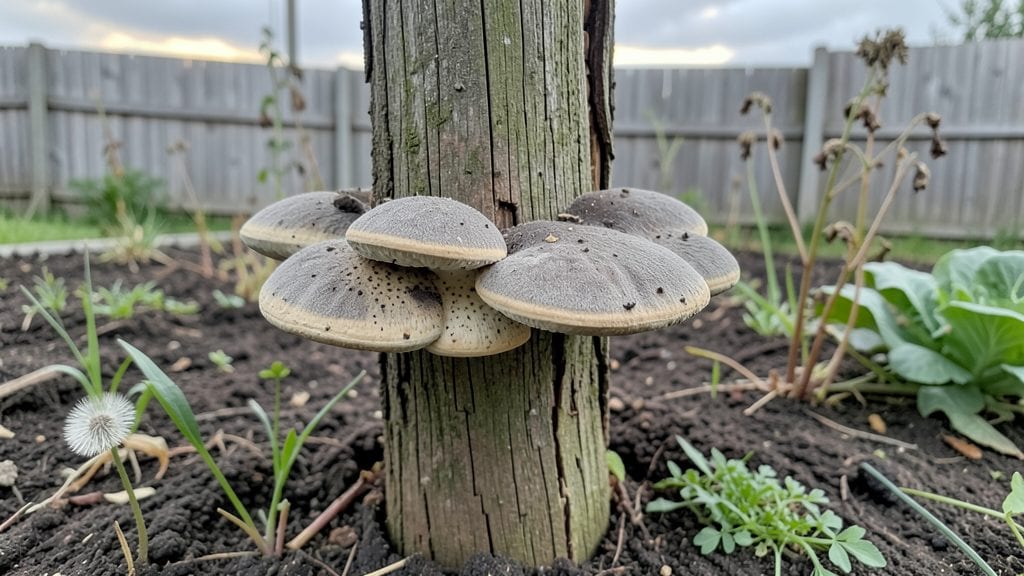
That shelf-like mushroom growing at your tree’s base isn’t a decoration—it’s ganoderma butt rot, a silent death sentence for trees that spreads faster than you think. 🌿 I’ve watched this fungus turn healthy oaks into hollow husks in just two seasons, and the worst part?
Most homeowners don’t even realize it’s there until the branches start snapping like dry twigs.
The first sign is usually a shelf fungus (the conk) that looks like brown, shelf-like brackets at the tree’s base or trunk wounds. But by then, the real damage is already happening—rotting wood that can’t support the tree’s weight.
Poor drainage, old pruning cuts, and stressed trees create the perfect invitation for this fungus to move in, and once it does, chemical treatments rarely work. The good news? You can still save your tree—or at least stop the spread—with the right steps.
What you’ll learn here is how to spot the early warning signs before the tree becomes unsafe, how to remove the infected wood without making things worse, and which natural treatments actually work to slow it down.
I’ve tested everything from copper-based sprays to mycorrhizal soil additives, and I’ll share what gave me the best results in my own yard. The key is acting fast before the fungus claims another victim.
Even if your tree is already infected, prevention for the next one is simple: focus on proper pruning cuts, improving soil drainage, and choosing resistant species like black walnut or sycamore.
It’s not about magic—it’s about giving your trees the defense they need before ganoderma gets a foothold. Let’s get started with the first step: identifying the problem before it’s too late.
Root Causes of Fungal Growth
When you spot ganoderma (also called ganoderma lucidum or "reishi" mushroom) sprouting on trees, it’s usually a sign of deeper trouble. This striking, shelf-like fungus thrives because of specific conditions that weaken trees over time. Understanding these causes helps you address the issue effectively and prevent future outbreaks.
The most common reason ganoderma appears is because the tree is already stressed or compromised. Trees rely on a robust immune system to fight off pathogens, but factors like:
- Poor soil quality: Lack of nutrients (especially nitrogen, phosphorus, or potassium) weakens the tree’s defenses.
- Drought or overwatering: Both extremes disrupt the tree’s ability to transport nutrients and fight infections.
- Root damage: Construction, compacted soil, or girdling roots (where roots circle the trunk) restrict water and nutrient flow.
- Pests or diseases: Insects (like bark beetles) or other fungi create entry points for ganoderma spores.
Actionable tip: 💡 Conduct a soil test to check nutrient levels and improve drainage if needed. Mulch properly to protect roots and retain moisture.
Ganoderma spores love damp, humid environments. The fungus spreads when:
- Trees are waterlogged: Poor drainage or heavy rainfall keeps the base of the tree consistently wet, creating a perfect breeding ground.
- Dead or decaying wood is present: Ganoderma thrives on rotting wood, often entering through wounds, broken branches, or dead limbs.
- High humidity persists: Tropical or shaded areas with little airflow encourage spore germination and growth.
Actionable tip: 🌡️ Ensure proper drainage around the tree’s base—install French drains or raised beds if necessary. Prune dead branches promptly to remove potential entry points.
Ganoderma rarely attacks healthy trees. Instead, it exploits:
- Physical injuries: Cuts from pruning, storm damage, or construction equipment create open wounds where spores can land and take hold.
- Root injuries: Damaged roots (from digging, heavy machinery, or root rot) weaken the tree’s structural integrity.
- Natural decay: Old, hollow, or dying trees are prime targets because their decaying tissue provides nutrients for the fungus.
Actionable tip: ✨ Seal pruning wounds with a tree wound paint (like pruning sealant) to prevent spore colonization. Avoid over-pruning—only remove necessary branches.
Trees under stress from competition or age are more susceptible to ganoderma. Causes include:
- Competition for resources: Overcrowded trees (e.g., in dense forests or urban landscapes) struggle for sunlight, water, and nutrients.
- Aging trees: Older trees naturally weaken, making them vulnerable to fungal infections.
- Poor air circulation: Dense foliage or nearby structures trap moisture and limit airflow, promoting fungal growth.
Actionable tip: 🎯 Thin out overcrowded trees to improve airflow and reduce competition. Consider replacing severely infected older trees if they’re beyond saving.
Practical steps to remove and prevent fungal growth
When you spot ganoderma—that telltale shelf-like fungus—on your trees, swift action is key. Left unchecked, it weakens wood, invites pests, and can even kill the tree. Below are targeted solutions for removal, treatment, and prevention, tailored to the root causes we discussed earlier.
Each step is designed to be easy to follow, whether you’re a gardening novice or a seasoned arborist.
Before jumping into removal, diagnose the severity of the infection.
Ask yourself: - How large is the growth? Small patches (under 6 inches) are easier to manage than large, established colonies. - Is the tree already stressed? Check for wilting leaves, oozing sap, or hollowed-out trunk sections—signs the tree may not recover. - Are there multiple trees affected? If yes, treat all nearby trees to prevent cross-contamination.
💡 Pro Tip: Snap a photo and compare it to trusted resources (like the USDA Forest Service’s fungal guide) to confirm it’s ganoderma and not another wood-rotting fungus.
Goal: Eliminate the visible fungus and any hidden mycelium (the fungus’s root system) beneath the bark.
For Small Infestations (Early Stage) 1. Cut Out the Fungus
- Use sterilized pruning shears or a chainsaw (for larger growths) to excise the ganoderma at its base.
- Cut at least 2–3 inches beyond the visible fungus to ensure you remove hidden mycelium.
- Dispose of the infected wood immediately—do not compost it!
Seal it in a plastic bag and trash it.
- Sanitize the Wound
- Scrub the exposed wood with a 10% bleach solution (1 part bleach to 9 parts water) or rubbing alcohol to kill spores.
- Let it dry completely before proceeding.
- Apply a Fungicide (Optional but Recommended)
- Spray the wound with a copper-based fungicide (like Bordeaux mixture) or a hydrogen peroxide solution (3% concentration).
- Reapply every 2–4 weeks for 3 months to prevent regrowth.
For Large or Advanced Infestations
- Consult a Professional
- If the fungus covers more than 25% of the trunk or the tree is already dead, removal may be the only option. A certified arborist can assess whether the tree is a hazard.
- Drill and Inject Fungicide (For Living Trees)
- Drill small holes (¼-inch diameter) into the base of the fungus and surrounding healthy wood.
- Use a pressure-injection system to deliver propiconazole or trifloxystrobin (systemic fungicides approved for wood-rotting fungi).
- Repeat treatments seasonally for 1–2 years.
- Prune for Airflow
- Thin out dense foliage around the trunk to reduce humidity and improve airflow, which discourages fungal spores.
Ganoderma thrives on stressed trees. Strengthen your tree’s defenses with these low-effort, high-impact steps:
| Problem | Solution | How to Do It |
|---|---|---|
| Poor Soil Drainage | Improve aeration and reduce waterlogging. | Add organic matter (compost or bark chips) and consider French drains if water pools near the roots. |
| Nutrient Deficiency | Boost immunity with balanced fertilization. | Apply a slow-release, organic fertilizer (like 10-10-10) in early spring. Avoid over-fertilizing—it can stress the tree. |
| Compacted Soil | Loosen soil to improve root oxygen uptake. | Use a soil aerator or manually dig around the root zone (avoid damaging roots). |
| Pest Infestations | Remove pests that weaken the tree (e.g., bark beetles, borers). | Apply neem oil or insecticidal soap for soft-bodied pests; use permethrin for borers (follow label instructions). |
💡 Pro Tip: Mulch properly—keep mulch 3–4 inches deep and 6 inches away from the trunk to prevent moisture buildup and rot.
An ounce of prevention is worth a pound of cure. Break the fungus’s life cycle with these year-round strategies:
- Monitor and Maintain
- Inspect trees every 3–6 months, especially after storms or heavy rains (when spores spread easily).
- Remove fallen leaves/debris near the tree base—fungal spores hitchhike on organic matter.
- Boost Tree Health Year-Round
- Water deeply but infrequently (1–2 inches per week) to avoid soggy soil.
- Prune properly—remove dead, diseased, or crossing branches to improve airflow.
- Avoid wounding the trunk (e.g., from lawnmowers or string trimmers).
- Natural Fungicide Barriers - Baking soda spray: Mix 1 tbsp baking soda + 1 tsp dish soap + 1 gallon water. Spray the trunk and surrounding soil monthly (safe and effective for prevention). - Garlic or cinnamon sprays: Both have antifungal properties.
Blend garlic cloves + water or mix 1 tbsp cinnamon + 1 quart water, then spray on the trunk.
- Introduce Beneficial Microbes
- Mycorrhizal fungi (like Trichoderma) compete with ganoderma for resources. Apply a mycorrhizal inoculant to the root zone in spring.
While DIY methods work for early-stage infections, seek professional help if:
- The tree is over 30 feet tall (safety risk for pruning).
- The fungus has spread to multiple trees in your yard.
- The tree is already dead or dying (removal may be necessary).
- You’re unsure about fungicide application (misuse can harm the tree).
Ganoderma removal isn’t a one-and-done job—consistency is critical. Stick to your treatment plan for at least 12–18 months, and your tree stands a much better chance of staying healthy and fungus-free. 🌳💪
Frequently asked questions about tree fungus
Why does ganoderma only grow on certain trees?
Ganoderma targets stressed or weakened trees, especially those with poor soil drainage, root damage, or existing wounds. It thrives on species like oaks, maples, and pines because their decaying wood provides nutrients. Healthy trees with strong immune systems rarely develop ganoderma unless conditions (like waterlogging) create the perfect environment.
Can I save a tree if ganoderma is already growing on it?
Yes, but early action is critical. For small infestations (<6 inches), remove the fungus and treat the wound with a copper-based fungicide. If the tree is already hollow or dying, removal may be the safest option. Always consult an arborist for advanced cases—some trees can recover with proper care, while others are beyond saving.
What’s the best natural fungicide for ganoderma?
A baking soda spray (1 tbsp baking soda + 1 tsp dish soap + 1 gallon water) works well for prevention. For active infections, hydrogen peroxide (3% solution) or a garlic-based spray (blended garlic cloves + water) can help. Reapply every 2–4 weeks during the growing season for best results.
Will removing ganoderma stop it from spreading to other trees?
Not automatically—spores can linger in soil or debris. Clean up all infected wood and sanitize tools between uses. Treat nearby trees with a preventive spray (like cinnamon or neem oil) to block spore colonization. Monitor the area closely for new growth, especially after rain.
How do I know if my tree is beyond saving?
Watch for these red flags: large hollow sections, dead branches even in spring, or conks covering more than 25% of the trunk. If the tree leans dangerously or has oozing sap, removal is safest. A professional assessment can confirm structural integrity before deciding.