
Tools
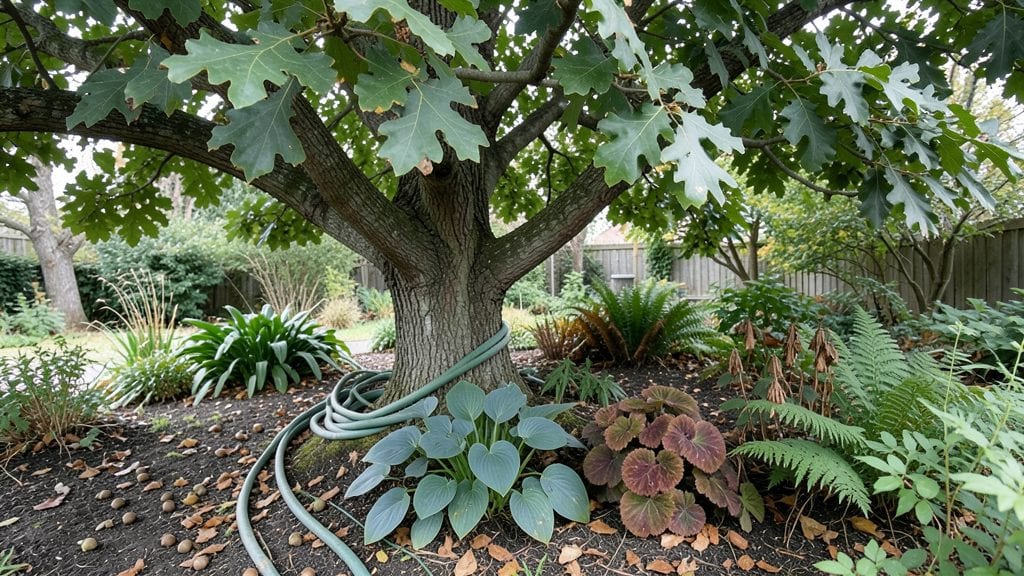
Gardening under an oak tree isn't just possible—it's an opportunity to create a lush, unique space that most gardeners overlook. 🌿 The key lies in embracing the dappled light and acidic soil that oak trees create, turning what seems like a challenge into a thriving microclimate.
I transformed my own shady corner into a vibrant garden by focusing on plants that love these conditions, and the results were shockingly lush.
The first step is working with the oak tree, not against it. Mulch heavily with wood chips to suppress weeds and retain moisture, while also protecting your plants from the tree's aggressive roots.
Choose shade-tolerant perennials like ferns, hostas, and astilbes that thrive in low light, and avoid anything that competes with the oak for water. This approach saves you from constant battles with struggling plants that just can't adapt.
What you end up with is a garden that feels like a secret forest retreat—cool, green, and full of texture. The dappled light creates dramatic patterns on the leaves, and the air stays fresher than in full sun.
My favorite part? The way the space stays cool even on hot summer days, making it perfect for relaxing among the plants. The oak tree becomes part of the garden's charm rather than an obstacle.
This method works for any oak tree, whether it's a young sapling or a mature giant. The same principles apply to other large shade trees too, so you can adapt these ideas to your own yard. Let's bring that shady spot to life!
📚 In This Guide
- What you need
- Instructions
- Tips and common mistakes
- Wrapping up and next steps
What you need
- ● Mulch (3–4 inches thick): Shredded bark, wood chips, or pine straw to retain moisture and suppress weeds. (Avoid dyed mulch—it can harm plants!)
- ● Compost or organic soil amendment: 2–3 bags (2–3 cubic feet each) to improve soil fertility and drainage.
- ● Shade-tolerant plants: 5–10 plants (e.g., ferns, hostas, or astilbes) based on your garden size.
- ● Slow-release fertilizer: 10–20 lbs (e.g., 10-10-10 or organic options like bone meal for phosphorus).
- ● Garden fork or tiller: For loosening compacted soil under the oak’s canopy.
- ● Pruners or loppers: To trim encroaching oak roots or branches if needed.
- ● Garden hose with nozzle: For deep watering (dappled shade = less frequent but thorough watering!).
- ● Gloves and knee pads: Because gardening under oaks can get messy!
- ● Measuring tape or ruler: To space plants 12–24 inches apart (depending on variety).
- ● Soil pH test kit: Oaks thrive in acidic soil (pH 5.0–6.5); adjust with sulfur if needed.
- ● Drip irrigation system: For consistent moisture without overwatering.
- ● Decorative rocks or edging: To define garden borders and deter weeds.
- ● Shade cloth (lightweight): If your oak provides too much shade (e.g., 30–50% coverage).
Step-by-Step guide to creating a thriving garden under oak trees
Here’s how to transform that tricky shade spot into a lush, low-maintenance garden.
🌱 Step 1: Test Your Shade Conditions
First, observe your oak tree’s light patterns for a full week. Oak trees create dappled shade—a mix of bright spots and deep shadows. Note how long each area stays in shade versus sun. Most shade-tolerant plants need at least 3-4 hours of filtered light daily, but some (like ferns) can handle full shade. Mark your garden area with stakes to track light changes.
I like to check light conditions at midday and late afternoon—those are the critical times. If your spot gets less than 2 hours of light, focus on deep-shade plants like hostas or astilbes. If it’s 3-6 hours, you’ve got room for a mix of shade-tolerant perennials and annuals.
🌿 Step 2: Prepare the Soil for Shade Lovers
Shade gardens often struggle with compacted, acidic soil from falling leaves. Start by clearing away thick oak leaf litter—too many leaves can smother plants and create a mat that blocks water and air. Spread a 2-inch layer of compost over the area and mix it into the top 6 inches of soil using a garden fork.
Oak trees also leach tannins into the soil, which can be tough on plants. To counteract this, add 1 cup of garden lime per 100 square feet if your soil tests acidic (pH below 6.0). Water the area deeply after amending to help nutrients settle. Shade plants love moist, well-draining soil, so avoid heavy clay without amending it first.
✂️ Step 3: Choose the Right Plants for Your Light
For dappled shade (3-6 hours of light), plant heuchera (coral bells), astilbe, or bleeding heart—they’ll reward you with vibrant foliage and flowers. If your spot is darker, go for hostas, ferns, or lungwort. Avoid sun-loving plants like daylilies or lavender—they’ll wilt in low light.
I always plant in odd-numbered groupings (3, 5, or 7 plants) for a natural look. Space perennials 12-18 inches apart and annuals 6-12 inches apart, depending on their mature size. Mulch with 2-3 inches of shredded bark to keep roots cool and suppress weeds—critical under oaks where light is limited.
💧 Step 4: Water Wisely Under Oak Trees
Shade gardens stay moist longer, but deep watering is still key. Water deeply once a week (or more in hot weather) to encourage strong root growth. Oak trees compete for water, so drip irrigation or soaker hoses work best—they deliver moisture directly to plant roots without wetting leaves (which can invite fungal diseases).
Watch for yellowing leaves—a sign of overwatering or poor drainage. If the soil feels soggy after watering, your garden needs more organic matter to improve drainage. Shade plants also appreciate morning watering—this gives foliage time to dry before evening, reducing mildew risk.
☀️ Step 5: Maintain and Refresh Your Shade Garden
Remove spent blooms from perennials like astilbe to encourage more flowers. Cut back dead or yellowing leaves in early spring, but leave last year’s foliage on perennials until new growth appears—it protects roots from winter cold. Fertilize lightly in early spring with a balanced, slow-release fertilizer (like 10-10-10) to support growth without overfeeding.
Every 2-3 years, top-dress with 1-2 inches of compost to replenish nutrients. Oak trees drop leaves year-round, so rake up debris to prevent a thick layer from smothering plants. With the right care, your shade garden will thrive—lush, low-maintenance, and full of life—without competing with the oak’s dominance.
Tips & tricks for perfect shade gardens under oak trees
Creating a thriving garden under oak trees takes patience and the right approach—here's what I've learned after years of trial and error.
The Light Factor: That full week of observing light patterns in Step 1 is non-negotiable. I've seen gardeners skip this and plant sun-lovers that quickly wilt. Use a simple app to track sunlight hours—it's worth the investment. Pay special attention to late afternoon when shadows lengthen. If you notice your spot gets less than 2 hours of light, stick to deep-shade plants like hostas or lungwort—they'll reward you with lush growth where others fail.
Soil Prep Secret: Don't rush the soil preparation in Step 2. I once tried planting right after clearing leaves and lost half my perennials to compacted soil. That 2-inch layer of compost should be mixed into the top 6 inches—use a garden fork to break up any clay layers. For acidic soil, test your pH first. If it's below 6.0, that 1 cup of garden lime per 100 square feet makes all the difference—trust me, your plants will thank you.
Plant Placement Strategy: When arranging your odd-numbered groupings in Step 3, place taller plants like astilbe toward the back of your garden bed. I arrange my heuchera in front for that beautiful cascading effect. Remember those 12-18 inch spacing guidelines—crowding leads to competition for nutrients and increased disease risk. That 2-3 inches of mulch isn't just decorative; it's a game-changer for moisture retention and weed suppression.
Watering Wisdom: Those deep waterings once a week in Step 4 are crucial, but timing matters too. I've found that watering in the early morning gives plants all day to absorb moisture before evening humidity sets in. If you notice yellowing leaves, it's often a sign of overwatering—let the top inch of soil dry out between waterings. For large gardens, consider a drip irrigation system—it's worth the investment to avoid wetting leaves and inviting fungal diseases.
Pro Tips for Garden Under Oak Tree
- Creating a thriving garden under oak trees takes patience and the right approach—here's what I've learned after years of trial and error.
- The Light Factor: That full week of observing light patterns in Step 1 is non-negotiable.
- Soil Prep Secret: Don't rush the soil preparation in Step 2.
Frequently asked questions
Got questions about creating a lush garden under oak tree? You’re not alone! Here are some of the most common queries—and their answers—to help you get started with confidence.
What’s the best way to prepare the soil under an oak tree?
Oak roots compete for nutrients, so amend the soil carefully. Test for acidity (oaks prefer pH 5.0–7.0) and mix in compost or well-rotted manure to improve drainage. Avoid heavy mulches like wood chips, which can mat and suffocate roots. Instead, opt for pine straw or shredded leaves for a lighter layer.
How long does it take for plants to thrive under an oak?
Patience is key! Shade-tolerant plants like hostas, ferns, and astilbes may take 1–2 seasons to establish, while slower growers (e.g., heucheras or lungwort) can take 2–3 years to reach their full potential. Focus on consistent moisture and mulch to speed up the process.
Can I grow vegetables under an oak tree?
Yes, but stick to shade-tolerant varieties. Leafy greens like kale, spinach, and Swiss chard thrive in dappled light, as do radishes, green onions, and bush beans. Avoid sun-lovers like tomatoes or peppers—they’ll bolt or struggle. Test soil fertility first, as oak roots deplete nutrients over time.
Why are my plants dying under the oak tree?
Common culprits include root competition, poor drainage, or too much shade. Check for yellowing leaves (nutrient deficiency) or mushy stems (overwatering). If roots are crowding, prune aggressive suckers and add organic mulch to protect soil moisture. Some plants (like azaleas) may need acid-loving amendments.
Are there low-maintenance alternatives to a traditional garden?
Consider a ground cover garden with creeping phlox, ajuga, or wild ginger—they suppress weeds and thrive in shade. For a no-dig approach, try a layered woodland garden with ferns, hellebores, and foamflower. Even a container garden on the tree’s edge works, using self-watering pots for convenience.
Wrapping up and next steps
Creating a garden under an oak tree is all about working with nature’s shade—turning dappled light into a lush, thriving space! 🌿 The key is choosing the right shade-tolerant plants, prepping the soil, and embracing the unique microclimate.
With a little patience and creativity, you’ll transform that tricky spot into a serene, low-maintenance oasis.
Ready to take the next step? Start small—pick one or two plants from our list, test your soil, and observe how your oak’s shade shifts throughout the day. Soon, you’ll be the proud gardener of a hidden green gem that’s as beautiful as it is resilient!