
Light Requirements
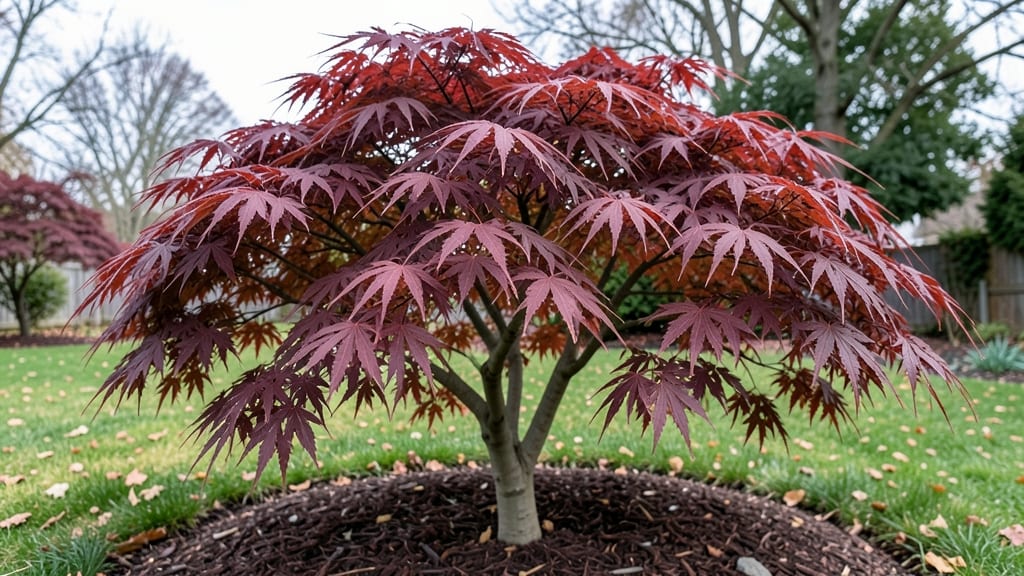
Part shade trees that actually love the light—yes, they exist. 🌿 I’ve planted enough shade-tolerant trees to know most struggle in full sun, but these varieties thrive where others fade, giving you lush foliage and seasonal color without fighting for sunlight.
Think dogwoods with their spring blooms and burgundy fall leaves, or serviceberry with edible fruit and delicate white flowers. These trees handle 3–6 hours of sun daily while still looking stunning in dappled light.
They’re perfect for understory plantings, alongside hostas, ferns, and shade-loving perennials that need a little sun too.
You’ll get year-round interest: spring blossoms, summer shade, and fall foliage that turns heads. Plus, their moderate growth rates mean they won’t outgrow small yards or overwhelm your landscape design. The key is spacing them 15–25 feet apart for airflow and pairing them with ground covers to suppress weeds.
Works in city gardens, woodland edges, or as focal points near patios. Here’s how to pick the right one for your space—no more guessing which tree will actually survive (and shine) in your part-shade spot.
📚 In This Guide
- What you need
- Instructions
- Tips and common mistakes
- Wrapping up and next steps
What you need
- ● Part-shade tree seedlings or saplings: 1–3 trees (depending on spacing needs; check species guidelines—e.g., Dogwood needs 15–20 ft apart, Serviceberry 10–15 ft).
- ● Healthy, disease-free specimens (bare-root or container-grown).
- ● Soil amendments: 5–10 lbs of compost or well-aged manure per tree.
- ● 1–2 lbs of balanced fertilizer (10-10-10 or organic options like bone meal).
- ● Planting tools: 1 shovel (round-point for digging).
- ● 1 garden trowel (for delicate root handling).
- ● 1 pruners (sterilized, sharp).
- ● Mulch: 2–3 inches of organic mulch (wood chips, pine straw, or shredded bark).
- ● Watering supplies: 1 hose with adjustable nozzle or watering can (5+ gallons).
- ○ 1 soaker hose (optional but ideal for deep watering).
- ● Soil pH tester (to adjust acidity if needed—most part-shade trees prefer slightly acidic to neutral soil, pH 6.0–7.0).
- ● Tree stake + ties (for young, top-heavy trees in windy areas).
- ● Post-hole digger (if planting near structures or slopes).
- ● Garden gloves (to protect hands from thorns or rough bark).
- ● Plant support collar (for species prone to leaning, like Japanese Maple).
Step-by-Step guide to planting and caring for part shade trees
Here's how to select, plant, and nurture sun-loving trees that thrive in partial shade—no gardening degree required.
🌱 Step 1: Choose the Right Tree Varieties for Part Shade
Start with trees that naturally tolerate 3-6 hours of sunlight daily but can handle dappled shade. Dogwoods, serviceberry, and Japanese maples are top performers. I always check the mature height—15-25 feet is ideal for most yards—so they don’t outgrow their space. Avoid oaks or pines; they demand full sun and struggle in partial shade.
Look for container-grown trees at nurseries—they establish faster than bare-root stock. If planting in spring, choose 1-2 gallon pots for smaller varieties like serviceberry, or 5-7 gallon pots for dogwoods. These sizes balance root development and transplant shock.
🪴 Step 2: Prepare the Planting Site and Hole
Test your spot’s shade pattern over a week—trees need consistent light, not just occasional sun. Dig a hole twice as wide as the root ball but only as deep as the container’s height. This prevents burying the trunk too deep, which can cause rot.
Loosen the soil at the bottom of the hole with a shovel or hands—no need for amendments unless your soil is heavy clay. Mix the excavated soil with a handful of compost (if available) to improve drainage. Place the tree in the hole so the top of the root ball sits 1 inch above ground level—this ensures proper settling.
☀️ Step 3: Plant and Water for Immediate Support
Remove the tree from its container and gently tease the roots outward if they’re circling. Place it in the hole, then backfill with soil, tamping lightly every 6 inches to eliminate air pockets. Water deeply until the soil 1 foot down is thoroughly moist—this encourages roots to grow outward instead of staying shallow.
Mulch with 2-3 inches of organic mulch (like shredded bark) in a 3-foot diameter ring around the base. Keep mulch 6 inches away from the trunk to prevent rot. Water again after mulching to help the soil settle and retain moisture.
💧 Step 4: Maintain Light and Water Through the First Year
Part shade trees need consistent moisture—water once a week during the first year unless rain provides 1 inch or more. Check soil moisture by sticking your finger 2 inches deep; if it’s dry, water deeply. Overwatering is worse than underwatering, so let the top 1-2 inches of soil dry out between waterings.
Fertilize lightly in early spring with a balanced, slow-release fertilizer (10-10-10). Avoid heavy feeding—part shade trees grow slowly and don’t need extra nutrients to thrive. Prune only to remove dead or crossing branches in late winter or early spring.
⏰ Step 5: Monitor Growth and Adjust Care Seasonally
By year two, your tree should show new growth in spring and vibrant foliage by summer. If leaves yellow or drop early, it’s often a sign of too much shade or overwatering. Move the tree to a slightly sunnier spot if possible, or reduce watering frequency.
In fall, reduce watering as temperatures drop. Apply a 2-inch layer of mulch around the base (again, keeping it away from the trunk) to protect roots from winter cold. Part shade trees are low-maintenance once established—just watch for pests like scale or spider mites and treat early if needed.
Tips & tricks for perfect part shade trees
Planting the right trees in partial shade can transform your yard—here's what I've learned to help them thrive.
Variety Selection: When choosing between dogwoods, serviceberry, or Japanese maples, consider your yard's mature height needs. Dogwoods typically reach 15-25 feet, while serviceberry stays smaller at 10-15 feet. I always check the mature height label at the nursery to avoid future pruning headaches. For instant color, opt for flowering varieties like serviceberry that bloom in spring.
Root Ball Preparation: In Step 2, when loosening the soil, focus on the bottom 6 inches of the hole—this is where most roots will grow. If your soil is heavy clay, mix in 1 part compost to 3 parts soil at the bottom only. The 1-inch above ground level placement is crucial—it prevents stem rot while allowing proper settling. I use a level to check this before backfilling.
Watering Strategy: The 1 foot deep watering in Step 3 is non-negotiable for part shade trees. Use a soil probe or long screwdriver to verify moisture depth—this encourages deep root growth. For the once-a-week watering rule, I set a reminder on my phone during dry spells. The 2-inch deep check before watering helps avoid overwatering, which is the #1 killer of young trees.
Seasonal Adjustments: By year two, watch for new spring growth as your success indicator. If leaves yellow, move the tree to a slightly sunnier spot—part shade trees need that 3-6 hours of sunlight daily. In fall, I always double-check mulch depth is 2 inches and keep it 6 inches from the trunk to prevent moisture buildup against the bark.
Pro Tips for Part Shade Trees
- Planting the right trees in partial shade can transform your yard—here's what I've learned to help them thrive.
- Variety Selection: When choosing between dogwoods, serviceberry, or Japanese maples, consider your yard's mature height needs.
- Root Ball Preparation: In Step 2, when loosening the soil, focus on the bottom 6 inches of the hole—this is where most roots will grow.
Frequently asked questions
Got questions about part shade trees? You’re not alone! Here are some of the most common concerns—plus clear, actionable answers to help you pick the perfect tree for your space.
What exactly does “part shade” mean for trees?
Part shade typically means 3–6 hours of direct sunlight daily, with dappled light or filtered shade for the rest of the day. Trees labeled as part shade can handle morning sun or afternoon shade, making them versatile for yards with partial sun exposure.
Can part shade trees survive in full shade?
Most part shade trees won’t thrive in full shade (less than 3 hours of sunlight), though a few like Japanese maples or dogwoods can tolerate it. If your spot is shady, opt for shade-tolerant varieties or supplement with grow lights for young trees.
How long does it take for part shade trees to mature?
Growth rates vary! Fast growers like redbuds or serviceberries may reach maturity in 5–10 years, while slower trees like ornamental cherries take 10–20 years. Soil quality, water, and sunlight all impact speed—so choose based on your patience and space!
Are there drought-tolerant part shade trees?
Yes! Trees like oakleaf hydrangea, serviceberry, or smoke tree handle dry spells better than others. Once established, they develop deep roots to access water. Mulch heavily and water deeply during the first 2 years for best results.
What if my part shade tree isn’t thriving?
Check these fixes:
- Light: Ensure it’s getting at least 3 hours of sun—move it or prune nearby structures if needed.
- Soil: Amend clay or sandy soil with compost to improve drainage and nutrients.
- Water: Deep water 1–2 times per week (more in extreme heat).
- Pests: Inspect for aphids, scale, or fungal issues—treat early with neem oil or fungicides.
Wrapping up and next steps
Part shade trees are the perfect solution for adding beauty and value to your landscape without the full sun commitment. From the elegant Japanese Maple to the hardy Dogwood, these sun-loving varieties prove that shade doesn’t mean sacrificing vibrancy or growth.
With the right plant, you can create a lush, thriving oasis that’s as functional as it is stunning! 🌿
Ready to transform your space? Start by assessing your yard’s light conditions, then pick a tree that fits your vision—whether it’s a statement focal point or a cozy understory. Plant with confidence, and watch your garden flourish!