
Picking
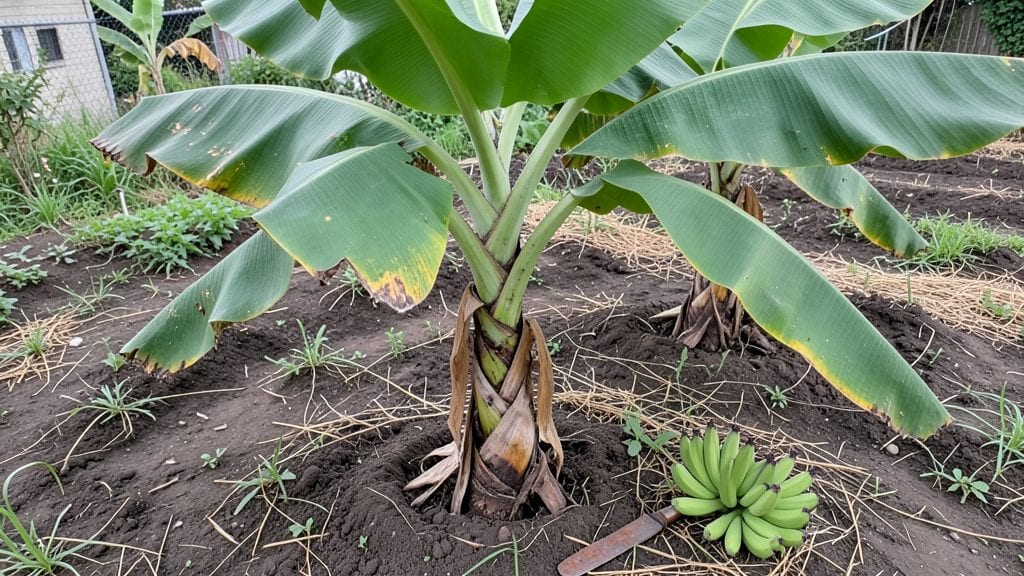
Harvesting banana trees means turning those towering bunches of fruit into sweet, creamy rewards—if you time it right. I still remember the first time I picked a bunch that was just shy of perfect, and how the flavor fell flat compared to when they ripen fully on the tree.
The difference between a good harvest and a great one comes down to watching for those subtle cues: the color shift from green to yellow, the slight softness when gently squeezed, and that unmistakable aroma wafting from the bunch.
You’ll need just a few simple tools: sharp pruning shears for cutting the stem cleanly, thick gloves to protect your hands from the sharp edges, and a sturdy ladder or stool since these trees can grow 10-15 feet tall.
The key is patience—bananas don’t all ripen at once, so you might harvest individual hands (clusters) as they reach peak ripeness, or take the whole bunch down when most of the fruit shows yellow with a few brown spots.
Either way, the goal is to avoid bruising the fruit or damaging the tree’s growth point.
Once you’ve got the bunch in hand, the real magic happens in how you handle it. Let the bananas finish ripening at room temperature, turning from green to that bright, inviting yellow.
Store them away from direct sunlight and drafts, and you’ll wake up to the sweetest, most flavorful bananas you’ve ever tasted—far better than anything from the grocery store.
With the right care, your tree will keep producing year after year, giving you a steady supply of homegrown fruit that’s shockingly lush and satisfying.
Here’s the thing—banana trees are surprisingly forgiving, but a few small mistakes can ruin the harvest. Overpicking too early leads to bland fruit, while waiting too long means mushy, unappetizing bananas.
And if you’re unsure whether to cut the whole bunch or just individual hands, start with one hand at a time. That way, you’ll learn what works best for your specific variety and climate, ensuring your tree stays productive and your kitchen stays stocked with homegrown goodness.
📚 In This Guide
- What you need
- Instructions
- Tips and common mistakes
- Wrapping up and next steps
What you need
- ● Sharp pruning shears or a harvesting knife – A clean, sterilized tool (like a pruning saw for thicker stems) to avoid damaging the tree or spreading disease.
- ● Gloves (cut-resistant) – Protects your hands from thorns or rough edges (especially if harvesting Musa acuminata varieties).
- ● Harvesting basket or cloth bags – Gentle on fruit to prevent bruising (avoid plastic—it traps moisture!).
- ● Ladder or step stool – Banana trees can grow 10–25 feet tall; reach safely without straining!
- ● Disinfectant (rubbing alcohol or bleach solution) – Wipe tools before and after each cut to prevent fungal/bacterial spread.
- ○ Twine or rubber bands – Secure bunches for transport (optional but helpful for large harvests).
- ● Mature banana tree (1–2 years old) – Look for hand-sized bunches (called "hands") turning golden-yellow or speckled.
- ● Know your variety’s ripening cues – Some (like Cavendish) ripen on the tree; others (like plantains) need post-harvest ripening.
- ● Sunny, dry day – Harvest in the morning to avoid heat stress on fruit.
- ● Patience! – Wait until 75–80% of fingers in a hand are yellow-green (overripe = mushy!).
- ● Harvest journal – Track tree age, bunch size, and ripening time for future planning.
- ● Post-harvest ripening box – A ventilated container with ethylene-producing fruit (like apples) to speed up ripening indoors.
- ● Compost bin – Repurpose old pseudostems (the "trunk") as mulch for nutrient-rich soil.
- ● Camera – Capture your first harvest—bragging rights included! 📸
Step-by-Step instructions for harvesting a banana tree
Once your banana tree reaches maturity, you'll know it's time to harvest when the fruit bunches swell and the bracts begin to yellow.
Identify Mature Fruit Bunches
Look for fruit bunches that have fully developed with plump, firm bananas. The protective bract at the base should turn from green to yellow or brown, signaling ripeness. Each bunch typically produces 4-6 hands of bananas, with each hand containing 10-20 individual fruits. Gently shake the bunch—if the bananas feel heavy and firm, they're ready for harvest.
I always check the base of the bunch for this color change, as it’s the most reliable indicator. If the bract is still green, the bananas need more time. Harvesting too early means smaller, less flavorful fruit. Wait until at least 75% of the bananas in the bunch show these signs of readiness.
Gather the Right Tools
You’ll need a sharp pruning saw or long-handled shears to cut through the thick pseudostem without damaging the tree. A ladder may also be necessary if your banana tree is tall. Wear gloves to protect your hands from the sharp edges of the pseudostem and any sap that may irritate the skin.
I keep a small bucket or basket nearby to collect the harvested bunch. This prevents the bananas from bruising when you lower them from the tree. If your tree is in a windy area, harvest on a calm day to avoid dropping the bunch accidentally.
Cut the Bunch from the Tree
Stand back from the tree and locate the stem attachment point where the bunch meets the pseudostem. Make a clean cut about 6-8 inches below the base of the bunch. Angle the cut slightly upward to prevent water from pooling and rotting the wound. Avoid cutting too close to the bunch, as this can damage the developing fruit.
Once cut, gently lower the bunch to the ground or into your waiting bucket. If the bunch is very heavy, have a helper assist you to avoid straining your back. After harvesting, discard the old bunch—it won’t produce fruit again, and leaving it on the tree can attract pests.
Ripen and Store the Bananas
Bananas continue to ripen after harvest, so place the bunch in a cool, shaded area for 3-5 days to allow them to soften slightly. Once they reach your desired ripeness, remove them from the bunch and store them at room temperature for daily use. If you won’t use them immediately, refrigerate them to slow ripening—though they’ll lose some sweetness.
I like to check the bananas daily during ripening. If they soften too quickly, move them to a cooler spot. Overripe bananas can be used for baking or smoothies, so don’t waste them! The key is to harvest at the right time and ripen them gradually for the best flavor.
Maintain the Tree for Future Harvests
After harvesting, the banana tree will gradually die back as it puts its energy into producing new shoots from the base. Once the pseudostem turns yellow and collapses, it’s time to cut it down at the base. This makes room for new growth and prevents disease. The tree will send up 1-3 new shoots within a few months, which will eventually replace the old one.
I fertilize the base lightly after harvest to encourage strong regrowth. Use a balanced fertilizer with equal parts nitrogen, phosphorus, and potassium. Keep the area around the tree free of debris to reduce the risk of fungal infections. With proper care, your banana tree can produce 2-3 harvests per year in tropical climates.
Tips & tricks for perfect banana tree harvesting
Harvesting bananas from your own tree is incredibly rewarding, but there are a few key tricks that make all the difference between a frustrating experience and a bountiful, delicious yield.
Timing is Everything: The 75% ripeness rule in Step 1 is non-negotiable for flavor. I've learned this the hard way—harvesting too early gives you smaller, less sweet bananas. When you see that yellowing bract and feel the weight of the bunch, that's your cue. For tropical climates, this typically happens about 12-15 months after planting, but always check the bunch's readiness rather than relying on time alone.
Tool Preparation Matters: In Step 2, don't overlook the importance of a sharp pruning saw or shears. A dull blade can crush the pseudostem and damage the tree. I always test my tools on a scrap piece of wood first to ensure they're properly sharpened. Also, consider wearing long sleeves and eye protection—the sap can be surprisingly irritating and gets everywhere when cutting.
Cutting Technique: That 6-8 inch cut below the bunch in Step 3 is critical. I've made the mistake of cutting too close and accidentally nicked the developing fruit. Make your cut clean and at a slight upward angle—this prevents water from pooling and causing rot. After cutting, immediately cover the wound with a small amount of garden sulfur or cinnamon powder to help protect against fungal infections.
Ripening Strategy: The 3-5 day ripening period in Step 4 works best when you place the bunch in a well-ventilated area with indirect sunlight. I've found that bananas ripen more evenly when hung upside down from a hook. Check them daily and move to cooler areas if they soften too quickly. For maximum sweetness, let them ripen completely at room temperature—refrigeration reduces sugar content.
Pro Tips for Harvest Banana Tree
- Harvesting bananas from your own tree is incredibly rewarding, but there are a few key tricks that make all the difference between a frustrating experience and a bountiful, delicious yield.
- Timing is Everything: The 75% ripeness rule in Step 1 is non-negotiable for flavor.
- Tool Preparation Matters: In Step 2, don't overlook the importance of a sharp pruning saw or shears.
Frequently asked questions
Got questions about harvesting your banana tree? You’re not alone—growing and picking these tropical gems comes with its own set of curiosities! Here are some of the most common queries (and answers) to help you harvest like a pro.
How do I know when my banana tree is ready to harvest?
Bananas are ripe when their skin turns bright yellow with brown speckles (or fully yellow for stovetop cooking). Gently squeeze the fruit—it should yield slightly but not feel mushy. Pro tip: If you’re growing dessert bananas, harvest when the stem bends easily; for cooking varieties, wait until the fruit is fully yellow and firm.
How long does it take for a banana tree to produce fruit after planting?
Patience is key! A banana tree typically takes 9–18 months to bear fruit after planting, depending on the variety and growing conditions. Dwarf Cavendish (a popular homegrown type) often fruits faster—around 12–15 months. Keep the soil warm, water consistently, and fertilize regularly to speed up the process.
Can I harvest bananas before they’re fully ripe, and how should I store them?
Yes! Unripe bananas are firmer and better for cooking (like plantains). To ripen them indoors, place them in a paper bag with an apple or tomato—the ethylene gas speeds up ripening. For storage, keep them at room temperature (not in the fridge) until ripe. Once ripe, refrigerate to slow spoilage.
What do I do if my banana tree flowers but no fruit develops?
Don’t panic—this is common! Male flowers (small, clustered blooms) won’t produce fruit, but female flowers (larger, with a central stem) should. If no fruit forms, check for pests, poor pollination, or nutrient deficiencies. Hand-pollinate by gently shaking the flower cluster or applying a light spray of water to encourage fruit set.
Can I harvest bananas year-round, or do they have a specific season?
In tropical climates, banana trees can produce fruit year-round with proper care. However, growth slows in cooler months. If you’re in a temperate zone, harvests may be seasonal—typically spring to fall. Extend your harvest by growing in containers and moving them indoors during cold snaps!
Wrapping up and next steps
Harvesting your own banana tree is a rewarding journey that turns a tiny seedling into a tropical treasure trove! 🌱 From selecting the right variety to mastering the perfect timing, every step brings you closer to fresh, homegrown bananas.
Whether you’re a beginner or a seasoned gardener, the key is patience, care, and a little tropical love.
Now that you’re armed with knowledge, why not take the next step? Start small—plant that first seedling or transplant today! With dedication, your banana tree could soon be flourishing, offering year-round fruit and the joy of self-sufficiency. Happy growing! 🌟