
Orchid Care
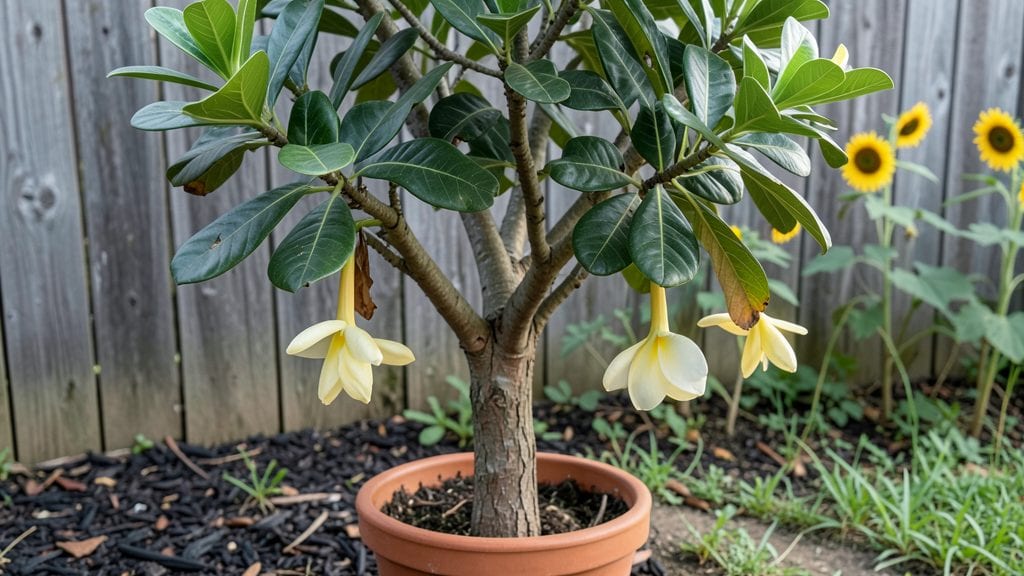
Growing a Hawaiian orchid tree (Plumeria) means bringing a piece of Hawaii’s sun-drenched coasts to your yard or patio. 🌺 These fragrant, fast-growing trees thrive in warm climates but can also survive indoors with the right care—imagine glossy leaves and intoxicating blooms all year long.
The key is mimicking their tropical roots: bright light, well-draining soil, and minimal fuss once established.
Your orchid tree will reward you with vibrant blooms in shades of white, pink, or yellow, often perfumed like vanilla or citrus. In ideal conditions, they can grow up to 20 feet tall, but container-grown specimens stay compact and manageable.
The secret to their success? Avoid soggy soil—they hate wet feet—and give them a spot where they’ll bask in sunlight for at least six hours a day.
Pruning is simple: just trim dead or leggy branches to encourage bushier growth and more flowers. With the right balance of water (let the top inch of soil dry between waterings) and occasional fertilizer, your tree will stay lush and productive.
Even in cooler climates, a sunny windowsill or greenhouse can keep it thriving year-round.
Whether you’re using it as a statement plant in your garden or a fragrant centerpiece indoors, the Hawaiian orchid tree delivers year-round color and scent with minimal effort. Here’s how to keep it happy and blooming—no green thumb required.
📚 In This Guide
- What you need
- Instructions
- Tips and common mistakes
- Wrapping up and next steps
What you need
- ● Seeds or Cuttings: 1–3 Plumeria seeds (if starting from scratch) OR
- ● 3–5 healthy cuttings (4–6 inches long, with nodes) for propagation
- ● Potting Mix: 1 bag (5–10 gallons) of well-draining cactus/succulent mix (or add perlite/pumice for extra drainage)
- ● Containers: 1–2 drainage holes pots (1–2 gallons for cuttings, 5+ gallons for mature trees)
- ○ Optional: Grow bags (for outdoor planting)
- ● Tools: Pruning shears (sterilized with rubbing alcohol)
- ○ Rooting hormone (optional but helpful for cuttings)
- ● Spray bottle (for misting)
- ● Garden gloves (to protect from sap)
- ● Climate: USDA Zones 10–11 (or indoor growing with bright light)
- ● Sunlight: 6+ hours of direct sun daily (partial shade in extreme heat)
- ● Water: Well-draining soil (avoid soggy roots!)
- ● Patience: Seeds take 6–12 months to bloom; cuttings root in 2–4 weeks.
Step-by-step instructions for growing a Hawaiian orchid tree
Transform your landscape into a tropical paradise with this stunning, low-maintenance tree.
🌱 Step 1: Select the Perfect Planting Location
The Hawaiian orchid tree (Plumeria spp.) thrives in full sun—at least 6-8 hours daily—so choose a spot with unobstructed southern or western exposure. I always scout the area mid-morning when the sun is brightest to confirm no nearby structures will cast shadows. If you're in a hotter climate, afternoon shade helps prevent leaf scorch, but morning sun is non-negotiable.
Soil drainage is critical—this tree despises soggy roots. Test your spot by digging a 12-inch hole and filling it with water. If it drains within 30 minutes, your location is ideal. Amend heavy clay soil with 3-4 inches of coarse sand or orchid bark mix to improve aeration. The roots need oxygen as much as they need water.
🪴 Step 2: Prepare the Soil and Plant
Mix 3 gallons of well-draining potting soil with 1 gallon of perlite or pumice to create a loose, airy medium. This mimics the tree’s native volcanic soil and prevents root rot. Spread the blend in the planting hole, then place your 4-inch container-grown Hawaiian orchid tree at the same depth it was in its nursery pot—burying the root flare prevents water pooling.
Backfill around the roots with the amended soil, pressing gently to eliminate air pockets. Water deeply until moisture reaches 6 inches down, then let the soil settle for 24 hours before adding a 2-inch layer of mulch (avoid wood chips—they can compact). Mulching conserves moisture but keep it 3 inches away from the trunk to prevent rot.
☀️ Step 3: Establish Watering and Fertilizing Routines
Water deeply once a week during the first 6 months, allowing the top 2 inches of soil to dry out between sessions. You’ll know it’s time when the soil feels light and crumbly—like a sponge that’s been squeezed and released. Overwatering is the fastest way to kill this tree; yellowing leaves usually mean you’re drowning the roots, not hydrating them.
Start fertilizing 4 weeks after planting with a balanced, slow-release fertilizer (10-10-10) applied every 8 weeks. I switch to a low-nitrogen, high-phosphorus formula (5-10-10) when buds form to encourage blooms. Always water before fertilizing to prevent root burn—this tree’s roots are sensitive, and fertilizer salts can scorch them if the soil is dry.
✂️ Step 4: Prune for Shape and Encourage Blooms
Prune late winter or early spring before new growth begins, cutting back one-third of the previous year’s growth to shape the tree and stimulate flowering. Use clean, sharp pruners to make cuts just above a leaf node or bud—never leave stubs. I always prune after the last frost when temperatures stay above 55°F at night, as cold snaps can stress fresh cuts.
Deadhead spent blooms by snipping the stem ¼ inch above the next leaf pair to redirect energy into new flowers. Avoid heavy pruning in fall—this tree needs its foliage to photosynthesize through cooler months. If you notice leggy growth reaching for light, your tree needs more sun or a grow light during shorter winter days.
🌿 Step 5: Protect and Maintain Year-Round
Hawaiian orchid trees are tender perennials—they’ll die back in frost but often regrow from the roots if protected. In zones colder than USDA 10, dig up the tree in fall, trim back half the foliage, and store it in a cool, dry place (50-60°F) until spring. Water sparingly—just enough to keep the roots from drying out completely.
Watch for scale insects or mealybugs, which love the tree’s sap. Wipe leaves with a soapy water solution (1 tsp mild dish soap per gallon of water) monthly during growing season. If you see white, cottony clusters, isolate the tree immediately—these pests spread rapidly. A strong stream of water often dislodges them before they cause damage.
Tips & tricks for perfect Hawaiian orchid tree growth
These essential insights will help you cultivate a thriving Hawaiian orchid tree that flourishes year after year.
Sunlight Strategy: The 6-8 hours of daily sunlight requirement is non-negotiable, but timing matters just as much. I've found that positioning your tree to receive morning sun (especially in hotter climates) prevents leaf scorch while still providing the full light exposure needed. If you're in a region with intense afternoon sun, provide afternoon shade using a sheer curtain—this mimics the tree's natural tropical habitat where it often grows under partial shade from other vegetation.
Soil Preparation Insight: When mixing your 3 gallons of potting soil with 1 gallon of perlite or pumice, don't just eyeball it—measure precisely. This 3:1 ratio creates the perfect air-to-moisture balance that prevents root rot. I always add a handful of orchid bark mix to the blend for extra aeration, especially if you're planting in heavier soil. The goal is to replicate the volcanic, well-draining soil of Hawaii's native environment where these trees thrive.
Watering Wisdom: The 24-hour settling period after planting is crucial for root establishment. During this time, the soil compact slightly, allowing the roots to make better contact with the amended medium. After the initial planting, that weekly deep watering schedule becomes your best friend—but here's the secret: water until you see moisture emerge from the drainage holes at the bottom of the pot or planting area. This ensures the entire root zone gets hydrated, not just the surface.
Pruning Precision: When pruning in late winter or early spring, focus on making clean cuts just above a leaf node or bud. I use a sharp pair of pruners and make the cut at a 45-degree angle to prevent water from pooling on the cut surface. For the one-third reduction of previous year's growth, visualize the tree's natural shape—you're not just cutting randomly, you're encouraging a fuller, more balanced growth pattern that will support more blooms. The 55°F nighttime temperature threshold is your green light to prune safely.
Pro Tips for Hawaiian Orchid Tree
- These essential insights will help you cultivate a thriving Hawaiian orchid tree that flourishes year after year.
- Sunlight Strategy: The 6-8 hours of daily sunlight requirement is non-negotiable, but timing matters just as much.
- Soil Preparation Insight: When mixing your 3 gallons of potting soil with 1 gallon of perlite or pumice, don't just eyeball it—measure precisely.
Frequently asked questions
Got questions about nurturing your Hawaiian Orchid Tree (Plumeria)? You’re not alone! Here are answers to the most common queries to help you grow a thriving tropical beauty with minimal stress.
How fast does a Hawaiian Orchid Tree grow?
A mature Plumeria can grow 12–24 inches per year under ideal conditions—warmth, full sun, and well-draining soil. Young trees grow faster, while older specimens focus on blooms over height. Pro tip: Prune in late winter to encourage bushier, faster growth!
Can Hawaiian Orchid Trees survive cold weather?
Nope! These tropical darlings thrive in USDA zones 10–11 (50°F+ year-round). Below 32°F (0°C), frost can kill the plant. If you live in colder climates, grow it in containers and bring it indoors during winter. Bonus: Even a light frost may cause leaf drop, but the roots often bounce back!
How often should I water my Orchid Tree?
Water when the top 1–2 inches of soil are dry—usually every 7–10 days in summer, less in winter. Overwatering is the #1 killer! Plumerias hate soggy roots. Use a pot with drainage holes and a cactus/succulent mix for best results. Hot tip: Yellowing leaves? You’re likely overwatering!
Why isn’t my Hawaiian Orchid Tree blooming?
Blooms need 3 key things: sunlight (6+ hours/day), proper rest (dry period in winter), and balanced fertilizer (low nitrogen, high phosphorus). If your tree is leggy or leafy with no flowers, it’s likely starving for light or nutrients. Move it to a sunnier spot and feed it every 4–6 weeks in growing season.
Can I grow a Hawaiian Orchid Tree from a cutting?
Rooting cuttings is the easiest way to propagate.
Take a 4–6 inch stem just below a leaf node, let it dry/callous for 1–2 days, then place it in perlite or water. Roots form in 2–4 weeks! Pro move: Use a clear jar for water propagation to track root growth—kids love this project!
What pests should I watch for on my Orchid Tree?
Keep an eye out for mealybugs, scale, and spider mites—common troublemakers. Neem oil or insecticidal soap works wonders for mild infestations. For severe cases, prune affected areas and isolate the plant. Prevention tip: Inspect new plants before bringing them home!
Wrapping up and next steps
The Hawaiian Orchid Tree isn’t just a stunning addition to your garden—it’s a year-round celebration of tropical beauty with minimal fuss. With the right soil, sunlight, and care, you’ll enjoy its vibrant blooms and lush foliage for decades.
Whether you’re a seasoned gardener or a beginner, this resilient tree rewards patience and effort with breathtaking results.
Ready to bring a taste of Hawaii to your landscape? Start by selecting your plant—whether from a local nursery or a trusted online grower—and give it the love it deserves. Your future tropical canopy awaits! 🌺🌴