
Light Requirements
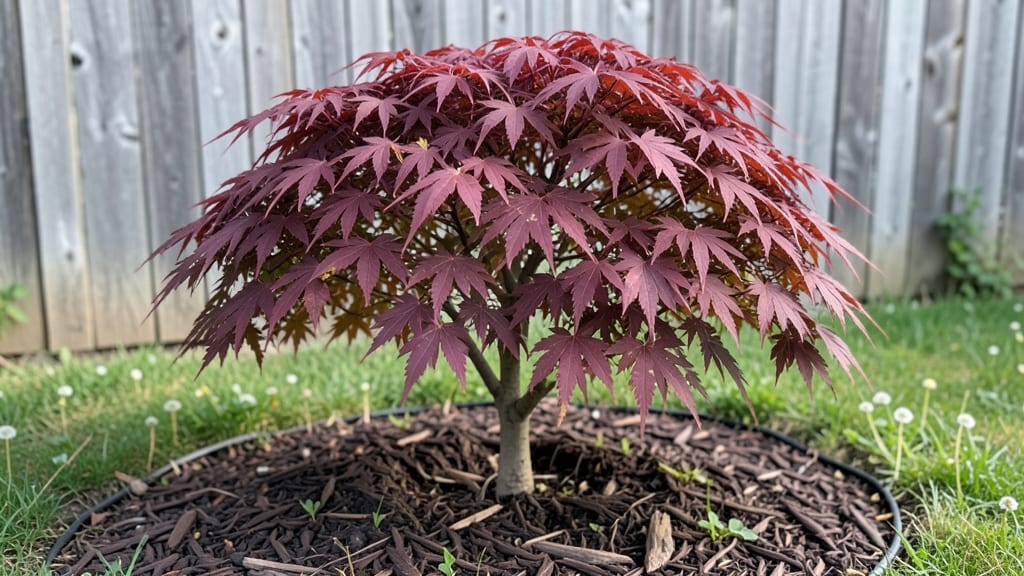
Finding the perfect partial shade trees that still love sunlight might feel like searching for a unicorn—until you discover these sun-loving varieties that actually thrive in dappled light. 🌿 I planted a dogwood last spring, and its white spring blooms and deep red fall foliage have completely transformed my shady corner into a year-round showstopper.
Most people assume partial shade means sacrificing vibrant blooms or lush foliage, but these trees prove otherwise. Think serviceberry for edible berries, Japanese maple for delicate lace-like leaves, or eastern redbud for early purple flowers.
All three handle morning sun and afternoon shade like champions, and they’re tough enough for even beginner gardeners.
You’ll end up with a garden that feels alive even under the canopy—think velvety leaves in summer, fiery fall colors, and maybe even a few edible treats.
The best part? These trees fit seamlessly into small yards, foundation plantings, or woodland-style gardens without needing constant care. Let’s pick the perfect one for your space.
Whether you’re lining a driveway, framing a patio, or filling a shady spot between buildings, these varieties adapt beautifully. The key is matching the tree’s natural light preferences to your yard’s actual conditions—no guesswork, just stunning results. Ready to plant something that actually works?
📚 In This Guide
- What you need
- Instructions
- Tips and common mistakes
- Wrapping up and next steps
What you need
- ● Partial shade tree varieties: Dogwood (Cornus florida) – 1-3 mature trees (6-10 ft tall)
- ● Japanese maple (Acer palmatum) – 1-2 trees (10-25 ft tall)
- ● Serviceberry (Amelanchier) – 1-3 trees (15-25 ft tall)
- ● Fringe tree (Chionanthus virginicus) – 1-2 trees (15-20 ft tall)
- ● Oakleaf hydrangea (Hydrangea quercifolia) – 1-3 shrub-sized trees (6-12 ft tall)
- ● Soil amendments: Composted organic matter (2-3 cubic yards for planting holes)
- ● Slow-release fertilizer (10-10-10 or balanced formula, 1 lb per tree)
- ● Planting supplies: Shovel (round-point or digging spade)
- ● Garden trowel (for smaller roots)
- ● Wheelbarrow or bucket (for mixing soil)
- ● Mulch (3-4 inches of pine bark or shredded leaves, 3-5 ft radius per tree)
- ● Tree stakes & ties (for young/small trees)
- ● Soil moisture meter (to monitor watering needs)
- ● Pruning shears (for shaping or cleanup)
- ● Drip irrigation kit (for consistent moisture)
- ● Epsom salt (for magnesium-rich soil, 1 tbsp per hole)
Step-by-Step guide to selecting and planting partial shade trees
Here's how to transform your shady spots into thriving tree gardens—without sacrificing beauty or health.
🌱 Step 1: Identify Your Light Conditions
First, assess your space for 2-6 hours of direct sun (partial shade). Use a sunlight tracker app for a week to map patterns—trees need consistency. Dappled light through branches creates ideal conditions for sun-loving varieties like dogwood or serviceberry. Avoid spots with deep shade (less than 2 hours of light) or hot afternoon sun (more than 6 hours).
Look for areas where sunlight filters through overhead branches or nearby buildings. These microclimates often have cooler, more humid air—perfect for moisture-loving trees. If your yard has morning sun and afternoon shade, prioritize trees like Japanese maple or fringe tree, which tolerate morning intensity better than afternoon heat.
🌿 Step 2: Choose the Right Tree Species
Select trees with adaptable canopies that naturally filter light. Dogwood (Cornus florida) and serviceberry (Amelanchier) thrive in partial shade while still producing stunning flowers and fruit. For smaller spaces, consider dwarf varieties like the 'Royal Purple' smokebush (Cotinus coggygria), which stays under 8 feet tall while adding vibrant foliage.
Native species are your best bet—they've evolved to handle your local light conditions. Check your USDA hardiness zone and regional guides for proven performers. Avoid tropical imports like royal palms, which demand full sun and won't survive below zone 9. Instead, opt for deciduous trees that drop leaves in winter, preventing winter burn in shaded areas.
☀️ Step 3: Prepare the Planting Site
Dig a hole twice as wide as the root ball but no deeper—this prevents soil compaction around roots. Amend the native soil with 3 gallons of compost mixed into the bottom 12 inches of the hole. Partial shade trees often struggle in compacted or clay-heavy soils, so improve drainage by adding 1 part perlite to the backfill mix if your soil feels dense.
Place the tree so the top of the root ball sits 1-2 inches above ground level—this prevents waterlogging. Stake only if your tree is over 6 feet tall or in a windy location. Use two stakes positioned opposite each other, tied loosely with soft fabric strips to avoid girdling the trunk. Water deeply after planting to settle the soil and eliminate air pockets.
💧 Step 4: Establish a Watering and Mulching Routine
Water newly planted trees 2-3 times per week for the first 3 months, providing 1-2 gallons per watering depending on tree size. Check moisture by pushing a finger 2 inches into the soil—it should feel damp but not soggy. Overwatering in partial shade can lead to root rot, especially for species like serviceberry that prefer well-drained conditions.
Apply a 3-inch layer of mulch (wood chips or shredded bark) around the base, keeping it 6 inches away from the trunk. Mulch conserves moisture and regulates soil temperature, which is critical for partial shade trees that may experience temperature fluctuations between sunny and shaded sides. Replenish mulch annually as it breaks down, but never let it pile against the trunk—this invites pests and disease.
✂️ Step 5: Prune for Light and Airflow
Prune in late winter or early spring before new growth begins. Remove dead, crossing, or inward-growing branches first to improve light penetration to the center of the tree. Partial shade trees often develop dense canopies that block their own sunlight, so thin out 20-30% of the foliage in the upper third to encourage airflow and reduce disease risk.
Shape the tree by pruning back overgrown limbs to maintain a natural, open structure. Avoid heavy pruning in summer—it stresses trees and stimulates vigorous late-season growth that won't harden off before winter. Instead, focus on light structural adjustments to keep the tree's energy balanced between root development and canopy growth.
Tips & tricks for perfect partial shade tree planting
Transforming shady spots into lush tree gardens starts with these game-changing insights that'll help your new trees thrive from day one.
Light Mapping is Everything: Don't rely on guesswork—use a sunlight tracker app for a full week to document when and where light hits your space. The 2-6 hour window is critical for partial shade trees like dogwood and serviceberry. I've planted trees in spots that seemed perfect only to watch them struggle because they actually got less than 2 hours of light. Mark your yard with stakes to visualize the sun's path before making decisions.
Soil Science Matters More Than You Think: When amending that 12-inch layer with compost, go beyond just adding organic matter. Test your soil's pH—most partial shade trees prefer slightly acidic to neutral (6.0-7.0). For clay-heavy soils, mix in that 1 part perlite to create pockets of air around roots. I've seen serviceberry trees double their growth rate when planted in properly amended soil versus native clay.
Watering Wisdom for Partial Shade: The 2-3 times per week rule is your baseline, but timing matters just as much. Water in the early morning so foliage has all day to dry—this prevents fungal diseases that thrive in damp shade. For newly planted trees, I use a soaker hose to deliver water slowly at the base, mimicking natural rainfall patterns. And remember: 2 inches deep is the magic number for moisture checks.
Pruning Like a Pro: When thinning that 20-30% of upper foliage in Step 5, make cuts just above a leaf bud or branch collar. Avoid leaving stubs—these invite disease. For partial shade trees, focus pruning on the outer canopy first to gradually open up the center. I've seen dogwood trees develop dense, impenetrable centers that block sunlight from reaching lower branches, creating dead zones.
Pro Tips for Partial Shade Trees
- Transforming shady spots into lush tree gardens starts with these game-changing insights that'll help your new trees thrive from day one.
- Light Mapping is Everything: Don't rely on guesswork—use a sunlight tracker app for a full week to document when and where light hits your space.
- Soil Science Matters More Than You Think: When amending that 12-inch layer with compost, go beyond just adding organic matter.
Frequently asked questions
Got questions about partial shade trees? You’re not alone! Here are some of the most common concerns—plus straightforward answers to help you pick the perfect tree for your space.
What’s the difference between partial shade and full shade?
Partial shade means dappled light—think sunlight filtering through branches or a mix of morning sun and afternoon shade (typically 3–6 hours of direct sun daily). Full shade, however, gets little to no direct light, often under dense canopies or north-facing walls. Trees like dogwood or serviceberry thrive in partial shade but may struggle in deep shade.
How long does it take for partial shade trees to mature?
Most partial shade trees take 5–10 years to reach full maturity, though growth speed varies by species. For example, Japanese maples grow slowly (6–12 inches/year), while redbuds mature faster (12–24 inches/year). Patience pays off—young trees focus on root development before rapid canopy growth!
Can I plant partial shade trees in containers?
Yes! Many varieties—like dwarf flowering cherries or ornamental pears—adapt well to containers if given well-draining soil and regular watering. Just ensure the pot is at least 18–24 inches wide and use a lightweight potting mix. Move containers seasonally to adjust light exposure (e.g., more sun in winter).
Why is my partial shade tree’s leaves yellowing?
Yellow leaves often signal overwatering, nutrient deficiencies (like iron or nitrogen), or root stress from compacted soil. Check the soil moisture—it should be damp but not soggy. If yellowing starts at the edges, it’s likely underwatering; if it’s uniform, amend soil with compost or a slow-release fertilizer. Fungal issues (like powdery mildew) can also cause yellowing—prune affected branches and improve airflow.
Are there drought-tolerant partial shade trees?
Opt for native species like eastern redbud, serviceberry, or American hornbeam, which have deep roots to access moisture. Once established (after 2–3 years), these trees need only occasional watering. Mulch heavily (2–3 inches) to retain soil moisture and reduce evaporation. Avoid thirsty varieties like weeping willows, which demand constant hydration.
Wrapping up and next steps
Partial shade trees are the perfect solution for spaces that get just enough sunlight—balancing beauty, resilience, and practicality. 🌿 From the elegant Japanese Maple to the sturdy Dogwood, these varieties prove that even dappled light can nurture stunning landscapes.
Whether you're enhancing curb appeal or creating a cozy garden retreat, these trees offer low-maintenance charm with high rewards.
Ready to transform your space? Start by assessing your yard’s light conditions, then pick a tree that fits your vision—plant it, nurture it, and watch it grow into a thriving centerpiece! 🌱