
Trees
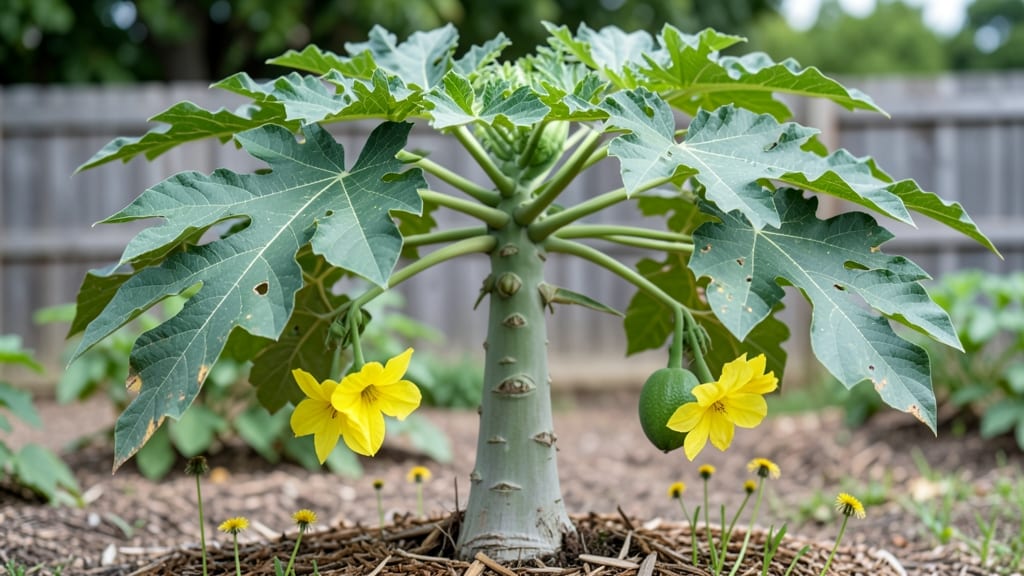
Growing hermaphrodite papaya trees changed how I think about tropical fruit in my zone 10 garden—no separate male plants needed, just reliable fruit year-round. 🌱 The secret lies in their self-pollinating flowers, which means fewer bees buzzing around and more fruit on the tree.
My first tree produced 40 pounds of fruit in its second year, and I’ve never looked back.
These trees thrive in warm climates with well-draining soil and full sun, but they’re fussier than they look. You’ll need to mimic their native tropical environment—think rich, slightly acidic soil, consistent moisture, and protection from strong winds.
The key to success? Planting in containers if your winters dip below 50°F, so you can move them indoors or under cover when needed.
What you’ll end up with is a tree that bears fruit continuously, not just once a year. The papayas are sweeter, seedless varieties like ‘SunUp’ or ‘Solo,’ and you’ll harvest them at their peak ripeness—no more waiting for store-bought fruit that’s past its prime.
Plus, the glossy leaves add a tropical vibe to any patio or garden corner.
Fair warning: these trees grow fast—up to 20 feet tall—and they’re heavy feeders. Prune regularly to shape them and fertilize every 6 weeks during growing season. The payoff? A harvest that keeps giving, even in small spaces. Ready to grow your own tropical oasis?
📚 In This Guide
- What you need
- Instructions
- Tips and common mistakes
- Wrapping up and next steps
What you need
- ● Hermaphrodite papaya seeds or seedlings: 1–3 plants (choose disease-resistant varieties like SunUp or Solo for best results).
- ● Well-draining potting mix: 5–10 gallons (use a blend of coconut coir, perlite, and compost for optimal aeration).
- ● Containers or garden bed: Containers: 5–15 gallon pots with drainage holes (1 per plant).
- ● Garden bed: Full sun (6+ hours daily), rich soil with a pH of 6.0–7.0.
- ● Slow-release fertilizer: 10–20-10 NPK ratio (apply at planting and monthly).
- ● Pruning shears: Sharp, sterilized tools for trimming.
- ● Watering can or hose with a gentle nozzle: Avoid over-saturating roots.
- ○ Mulch (optional but recommended): Straw or wood chips to retain moisture.
- ● Grow lights: LED full-spectrum bulbs for indoor setups (12–16 hours/day).
- ● Soil moisture meter: Prevents over/under-watering.
- ● Pollination aid: Small paintbrush to hand-pollinate flowers (if indoors).
- ● Trellis or stakes: For support as vines grow (2–3 feet tall).
- ● Organic pest control: Neem oil or insecticidal soap for aphids/spider mites.
Step-by-step instructions for growing hermaphrodite papaya trees
Here’s how to cultivate these self-pollinating wonders for bountiful harvests.
🌱 Step 1: Select and Prepare the Right Site
Hermaphrodite papaya trees thrive in full sun with 6-8 hours of direct light daily. Choose a spot sheltered from strong winds, as their large leaves can tear easily. The soil must drain well—papayas hate soggy roots—so amend heavy clay with 3-4 inches of organic compost mixed into the top 12 inches of soil.
Test your soil’s pH before planting; papayas prefer 6.0-7.0. If yours runs acidic, add crushed limestone to raise the pH gradually. I always dig a hole twice as wide as the root ball but only as deep as the container’s base—too deep will suffocate the roots.
🌿 Step 2: Plant Seedlings at the Correct Depth
Set the young tree in the hole so the top of the root ball sits 1 inch above ground level. This prevents water from pooling around the stem, which causes rot. Backfill with native soil, tamping lightly as you go to eliminate air pockets. Water deeply right after planting to settle the soil and encourage root contact.
Mulch around the base with 2-3 inches of organic mulch, keeping it 6 inches away from the trunk to avoid moisture buildup. This conserves soil moisture and regulates temperature—critical in hot climates where papayas grow best. Watch for the first flush of new leaves within 2-3 weeks; that’s your sign the tree has taken root.
☀️ Step 3: Water and Fertilize for Optimal Growth
Water deeply 2-3 times per week, soaking the soil to a depth of 12 inches each time. Papayas are drought-tolerant once established, but young trees need consistent moisture. You’ll know you’re watering correctly when the top 2 inches of soil feel dry before the next watering.
Start fertilizing 4-6 weeks after planting with a balanced 10-10-10 fertilizer, applying ½ cup per tree every 4 weeks. Switch to a low-nitrogen, high-phosphorus formula like 5-10-10 when flowers appear to encourage fruiting. Avoid over-fertilizing—yellowing leaves signal excess salts, which papayas despise.
✂️ Step 4: Prune for Shape and Fruit Production
Remove any suckers (shoots growing from the base) immediately—they divert energy from fruit production. Prune leggy branches back to a leaf node to encourage bushier growth. I also thin crowded canes to improve airflow, which reduces fungal diseases like powdery mildew that plague papayas.
When flowers appear, gently shake the tree in the morning to aid self-pollination. Hermaphrodite varieties don’t need cross-pollination, but a little help ensures heavier fruit set. Harvest fruits when they’re fully colored and slightly soft to the touch—usually 4-6 months after flowering. Cut stems with pruners to avoid damaging the tree.
⏰ Step 5: Protect and Maintain Through Seasons
In cooler climates, papayas are tropical and need winter protection. Cover young trees with frost cloth if temperatures dip below 50°F, but avoid plastic, which traps moisture and causes rot. Mature trees handle brief cold snaps better but still prefer warmth—75-85°F is ideal for fruiting.
Monitor for pests like aphids or mealybugs, which suck plant juices and weaken growth. Spray with neem oil weekly as a preventative. You’ll know your tree is thriving when it produces 2-3 fruits per season and grows new leaves steadily. With proper care, hermaphrodite papayas reward you with sweet, seedless fruit year-round—no cross-pollination drama required!
Tips & tricks for growing hermaphrodite papaya trees
Real talk: Growing hermaphrodite papaya trees isn't rocket science, but these small details make all the difference between a struggling plant and a fruit-bearing powerhouse.
Sunlight Strategy: Those 6-8 hours of direct sunlight are non-negotiable, but here's what I learned the hard way: if your tree starts looking pale or leggy after 4 weeks, it's not getting enough light. Consider using reflective surfaces like white walls or mirrors to bounce extra light onto the tree. In containers, move them to sunnier spots as the sun's position changes throughout the day.
Soil Science: The 6.0-7.0 pH range is crucial, but don't just test once—check it again after amending with compost. I've seen pH drop unexpectedly when organic matter breaks down. If you're unsure about your soil's pH, grab a cheap test kit from your garden center. Remember, papayas hate soggy roots, so if you're in a rainy climate, consider raised beds or containers with drainage holes.
Watering Wisdom: That 2-3 times per week guideline works for most climates, but here's the secret: water in the morning so leaves dry quickly, preventing fungal issues. I use a moisture meter to check that 12-inch depth—it's worth the investment. If you're in a hot, dry area, you might need to water daily until established, but always let the top 2 inches dry between waterings.
Pruning Payoff: When those suckers appear, don't hesitate to remove them immediately—they're energy vampires. I prune mine every 4-6 weeks during growing season to maintain shape and airflow. For the first year, focus on shaping rather than fruit production. The tree will thank you with stronger growth and more fruit in subsequent seasons.
Pro Tips for Hermaphrodite Papaya Trees
- Real talk: Growing hermaphrodite papaya trees isn't rocket science, but these small details make all the difference between a struggling plant and a fruit-bearing powerhouse.
- Sunlight Strategy: Those 6-8 hours of direct sunlight are non-negotiable, but here's what I learned the hard way: if your tree starts looking pale or leggy after 4 weeks, it's not getting enough light.
- Soil Science: The 6.0-7.0 pH range is crucial, but don't just test once—check it again after amending with compost.
Frequently asked questions
Got questions about hermaphrodite papaya trees?
You’re not alone! Here are answers to the most common queries—from curious gardeners to seasoned growers.
What makes a hermaphrodite papaya tree different from regular ones?
A hermaphrodite papaya tree has both male and female flowers on the same plant, eliminating the need for cross-pollination. This means no separate male trees are required—just one plant can produce fruit! Regular papayas often need male and female plants for pollination, but hermaphrodites simplify the process for home growers.
How long does it take for a hermaphrodite papaya tree to bear fruit?
Patience is key! Most hermaphrodite papaya trees take 8–12 months to mature from seed and start flowering. Once established in warm climates (60–90°F), expect first fruits within 12–18 months. Early blooms may drop, but consistent care (water, sunlight, and fertilizer) speeds up the process.
Can I grow hermaphrodite papayas in containers?
Yes! These trees thrive in large containers (15+ gallons) with drainage holes. Use well-draining soil and repot every 2–3 years. Place them in full sun (6+ hours daily) and ensure the pot stays moist but not soggy. Just avoid freezing temps—they’re tropical!
Why aren’t my hermaphrodite papaya flowers turning into fruit?
Common culprits include:
- Pollination issues: Hand-pollinate with a brush if bees aren’t visiting.
- Nutrient deficiency: Boost potassium/phosphorus (use banana peel tea!).
- Temperature stress: Keep soil warm (70°F+).
- Immature tree: Wait until the plant is 1–2 years old.
Are hermaphrodite papayas available worldwide, or only in tropical regions?
While native to tropical/subtropical zones, hermaphrodite papayas are now grown in USDA Zones 10–11 and greenhouses in cooler climates (e.g., Florida, California, Hawaii). For colder areas, start seeds indoors in spring or grow in pots you can move inside during winter.
Wrapping up and next steps
Discovering the wonders of hermaphrodite papaya trees unlocks a world of year-round harvests and bountiful yields! 🌱 These unique trees offer gardeners the perfect blend of convenience and productivity, making them a standout choice for tropical and subtropical climates.
Whether you're a seasoned grower or just starting, embracing this dual-fruit secret can transform your gardening game.
Now that you’re armed with the knowledge to nurture and care for these remarkable trees, why not take the next step? Start planting your own hermaphrodite papaya tree today—your future harvests will thank you! 🌟