
How To
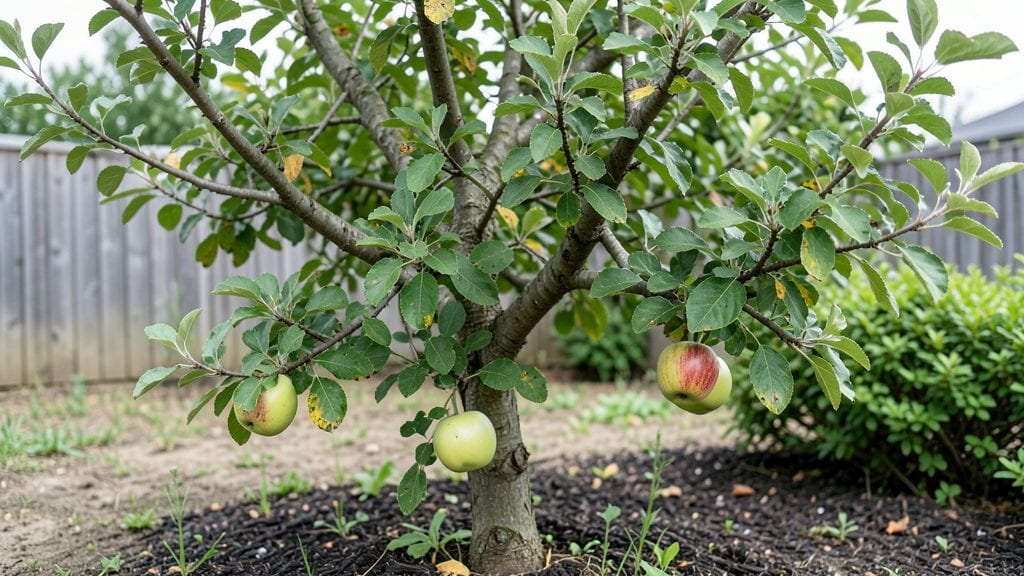
Wondering how tall does an apple tree grow, you’ll find the answer varies wildly—from a cozy 6 feet to a sky-scraping 30 feet, depending on the variety and your pruning style 🍎.
Dreaming of a backyard apple orchard but unsure whether a towering giant or a compact dwarf tree fits your space? The height of an apple tree isn’t just about aesthetics—it determines your harvest potential, pruning needs, and even the tools you’ll need.
Dwarf varieties stay under 12 feet, perfect for small yards or containers, while standard trees can reach 20-30 feet, making them ideal for large orchards. Semi-dwarf trees strike a balance, growing 12-18 feet tall.
Below, I break down the differences, how to choose the right size for your garden, and tips to manage growth if you want a smaller (or larger!) harvest.


Apple tree height by variety: dwarf to standard to giant sizes
The size of your apple tree isn’t just about how much space it takes—it determines harvest ease, pruning challenges, and even fruit quality. Most apple trees fall into four categories: dwarf, semi-dwarf, standard, and giant. The difference? Rootstock.
This is the underground part of the tree that controls height, not the scion (the fruiting variety you love). For example, a Granny Smith grafted onto a dwarfing rootstock will stay small, while the same scion on a standard rootstock will tower.
Choosing the right size starts with your garden space and maintenance goals. A 6-foot dwarf fits a balcony container, while a 25-foot standard needs a full backyard. Even giant varieties (like Mammoth Red) can reach 30+ feet, making them better suited for rural orchards.
Below, we break down the heights, spacing needs, and best uses for each category so you can pick the perfect tree for your space and lifestyle.
| Category | Mature Height | Rootstock Examples | Spacing Needs | Best For |
|---|---|---|---|---|
| Dwarf | 6–12 ft | B9, M9, M26 | 8–12 ft apart | Containers, small yards, urban gardens |
| Semi-Dwarf | 12–18 ft | MM106, MM111 | 15–20 ft apart | Backyards, home orchards, low-maintenance yards |
| Standard | 20–30 ft | Seedling, Antonovka | 25–35 ft apart | Rural orchards, large properties, traditional farms |
| Giant | 30–40+ ft | None (seedling) | 40+ ft apart | Commercial orchards, heritage varieties |
Dwarf apple trees are the space-savers of the orchard world, typically reaching 6–12 feet at maturity. Varieties like Fuji or Gala grafted onto M9 rootstock stay compact, making them perfect for containers or small urban yards.
These trees produce full-sized fruit but require more frequent pruning to maintain shape. Spacing them 8–12 feet apart ensures good airflow and sunlight penetration, reducing disease risk.
Semi-dwarf trees strike a balance, growing 12–18 feet tall and offering a middle ground for home orchards. Rootstocks like MM106 or MM111 are popular choices for varieties such as Honeycrisp or Pink Lady.
These trees need 15–20 feet of space between them, making them ideal for backyard gardens with moderate room. They’re easier to manage than standard trees but still yield high-quality fruit with minimal effort.
Standard apple trees are the classic orchard giants, reaching 20–30 feet tall and requiring ample space—25–35 feet apart is standard. Varieties like Granny Smith or Jonathan on seedling rootstock thrive in rural settings or large properties.
While they produce heavy yields, their size demands heavy-duty pruning tools and ladder access. If you love the idea of a traditional orchard but lack space, consider a semi-dwarf instead.
For the truly ambitious, giant apple trees can soar 30–40+ feet tall, often grown from seedling rootstock without dwarfing influences. These trees are rare in home gardens but prized for heritage varieties like Mammoth Red or Ashmead’s Kernel.
They need 40+ feet of spacing and are best suited for commercial orchards or agricultural settings. Their massive canopies provide shade and wildlife habitat
How apple tree size affects your garden: space, care, and harvest
Choosing the right apple tree size isn’t just about fitting it into your yard—it impacts harvest size, pruning effort, and even fruit quality. A dwarf variety might produce fewer apples but require less space, while a standard tree yields more but needs heavy pruning and space.
Your garden’s layout and your willingness to maintain it should guide your choice.
In urban gardens, dwarf or semi-dwarf trees (6–12 feet tall) thrive in containers or small plots, while rural areas can accommodate standard trees (20–30 feet) for larger harvests.
Even the tools you’ll need—like ladders or pole pruners—change based on tree height. Let’s break down how size affects your garden’s daily care and long-term success.
Dwarf vs. Standard Apple Trees: Key Differences
- ✅ Space-saving (fits patios, containers)
- ✅ Easier pruning (no ladders needed)
- ✅ Faster fruiting (3–5 years to harvest)
- ✅ Higher yield per sq ft (ideal for small yards)
- ✅ Larger harvests (more apples per tree)
- ✅ Longer lifespan (50+ years with care)
- ✅ Natural shade (great for rural gardens)
- ❌ Smaller fruit yield (fewer apples total)
- ❌ Shorter lifespan (20–30 years)
- ❌ Needs staking (young trees may topple)
- ❌ Requires space (20+ ft spacing needed)
- ❌ Heavy pruning (ladders, professional help)
- ❌ Slower to fruit (5–10 years to harvest)
For urban gardens, dwarf trees are a game-changer. They fit in containers or raised beds, making them perfect for balconies or tiny backyards. I’ve grown ‘Columnar’ varieties like ‘Red River’ in 5-gallon pots—no ladder needed!
Just ensure the container has drainage and is at least 18 inches deep to support root growth.
In contrast, standard trees dominate rural orchards, producing hundreds of pounds of fruit per season. However, they demand regular pruning (2–3 times yearly) to manage height and shape.
Without care, branches can become unruly, blocking sunlight and reducing yields. If you’re not prepared for this commitment, a semi-dwarf (12–16 feet) offers a middle ground.
Harvest potential also shifts with size. A dwarf tree might yield 50–100 pounds of apples annually, while a standard tree can produce 500+ pounds. For families or small-scale selling, standard trees are ideal—but only if you have the space and time.
I once grew a ‘Granny Smith’ standard that fed my neighborhood for years, but pruning it alone was a workout!
Long-term maintenance is another factor. Dwarf trees need annual pruning to encourage bushiness, while standard trees require structural pruning to control height. Soil health matters too—well-draining, slightly acidic soil (pH 6.0–6.5) helps all varieties thrive.
If your soil is heavy clay, amend it with compost to prevent root rot, especially in larger trees.
Before planting, measure your space and consider future growth. A 6-foot dwarf today could reach 10 feet in 5 years, while a 25-foot standard needs a 20-foot radius for full growth.
For containers, choose rootstocks like M.9—they stay compact and fruit faster. Whether you prioritize space, harvest, or ease of care, the right size makes all the difference.