How To
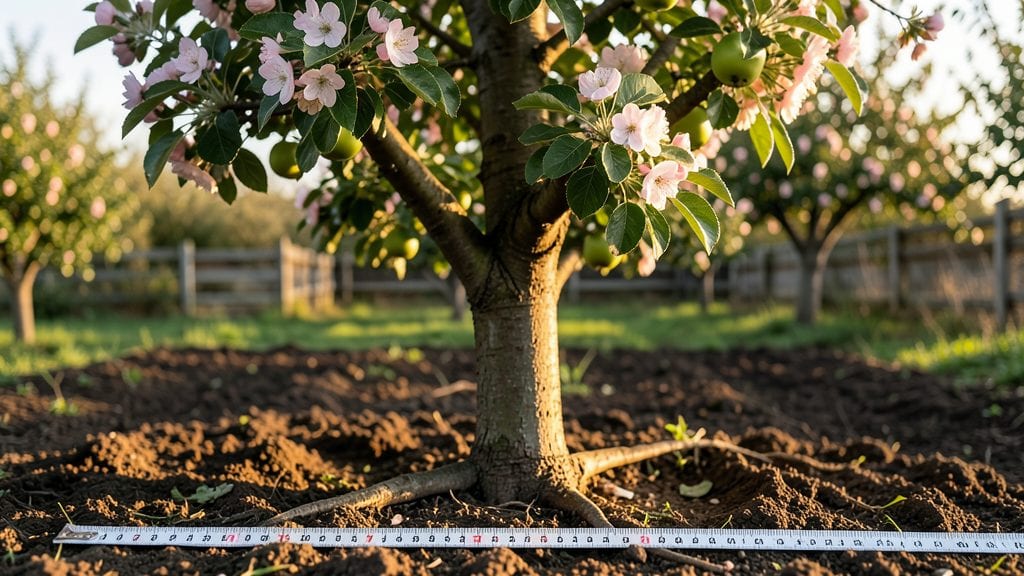
Wondering how tall does an apple tree grow? They range from 8 feet to 40 feet tall—depending on the variety and how you cultivate them 🍎—and picking the right one for your space is key.
Imagine planting a 25-foot standard apple tree in your suburban backyard, only to watch it outgrow your patio in a decade. Or picture a dwarf variety thriving in a container on your balcony, producing fruit every year without needing a ladder.
The height of your apple tree isn’t just about aesthetics; it dictates where you plant it, how you prune it, and even which varieties you can grow successfully.
From columnar apples that stay under 10 feet to classic standard varieties reaching 30 feet, the options can feel overwhelming. But the key lies in understanding how soil, sunlight, and pruning habits influence growth—and how to pick a tree that fits your garden’s reality.
In this guide, I’ll walk you through the height ranges of popular apple trees, the factors that shape their growth, and practical tips to keep them at your desired size—whether that’s a 6-foot patio tree or a 20-foot backyard giant.


Apple tree height by variety: dwarf to standard mature sizes explained
Choosing the right apple tree variety starts with understanding their mature heights. A dwarf apple tree might stay under 10 feet, while a standard variety can tower over 30 feet. Your space, pruning habits, and even your climate play huge roles in how tall your tree grows.
Let’s explore the key differences between dwarf, semi-dwarf, and standard apple trees to help you make the best choice for your garden.
Dwarf apple trees are the perfect solution for small yards, patios, or even large containers. These varieties are genetically bred to stay compact, typically reaching 6 to 12 feet at maturity. They’re ideal if you want to enjoy fresh apples without sacrificing space for other plants or outdoor activities.
However, they often require more frequent pruning to maintain their shape and encourage fruiting.
Semi-dwarf apple trees strike a balance between size and productivity. They usually grow between 12 to 18 feet tall, making them a great fit for medium-sized backyards.
Semi-dwarfs produce more fruit than dwarfs and require less intensive pruning, but they still need enough space to avoid overcrowding nearby plants or structures.
Standard apple trees are the classic choice for large properties, orchards, or rural settings. These trees can reach 20 to 30 feet or even taller, providing ample shade and a bountiful harvest.
However, their size means they need plenty of room to grow and may require professional pruning to manage their height and shape over time.
| Variety Type | Mature Height | Space Needed | Pruning Needs | Best For |
|---|---|---|---|---|
| Dwarf | 6–12 ft | Containers, small yards | Frequent (shape control) | Urban gardens, patios |
| Semi-Dwarf | 12–18 ft | Medium yards, orchards | Moderate (annual pruning) | Family backyards, small orchards |
| Standard | 20–30+ ft | Large properties, orchards | Intensive (professional help) | Rural settings, shade trees |
| Columnar | 8–12 ft (narrow) | Tight spaces, small plots | Minimal (vertical growth) | Balconies, narrow gardens |
Note: Heights can vary based on soil, climate, and pruning.
One of the most popular dwarf apple tree varieties is the 'Liberty' apple, which typically grows to about 8 to 10 feet tall. It’s disease-resistant and produces sweet, red apples perfect for fresh eating or baking.
Another great option is the 'Eve' apple, a columnar variety that stays narrow but can reach 10 to 12 feet in height. Columnar trees are fantastic for small spaces because they grow upright like a pole, saving horizontal space.
If you’re considering a semi-dwarf apple tree, the 'Granny Smith' variety is a classic choice. It usually matures around 15 feet and is known for its tangy, green apples. For a more traditional flavor, the 'Fuji' semi-dwarf can grow up to 16 feet and produces large, sweet apples.
These varieties are easier to manage than standard trees but still offer a generous harvest.
For those with ample space, standard apple trees like the 'Golden Delicious' or 'Honeycrisp' can grow up to 25 feet or more. These trees are hardy and productive but require regular pruning to keep them healthy and manageable.
If you’re planting a standard tree, ensure it’s at least 20 feet away from your house, fence, or other structures to allow for proper growth and airflow.
Pruning plays a critical role in controlling the height of your apple tree. For dwarf varieties, you’ll want to prune in late winter or early spring to remove any dead or crossing branches and encourage a bushier shape.
Semi-dwarf and standard trees benefit from annual pruning to maintain their structure and improve fruit production. Always use clean, sharp tools to make precise cuts just above a bud or branch collar.
When planning your garden layout, consider not only the mature height of your apple tree but also its spread or canopy width. A standard apple tree can have a spread of 15 to 20 feet, while dwarf varieties typically spread 6 to 10 feet.
Leave enough space between trees to ensure good airflow, which helps prevent diseases like apple scab and powdery mildew.
Ready to plant? Start by choosing a variety that fits your space and climate. Whether you opt for a compact dwarf, a versatile semi-dwarf, or a classic standard, your apple tree will reward you with years of fresh fruit and shade.
Just remember: the right variety and proper care will determine how tall—and how happy—your tree grows! 🌳
How growing conditions affect apple tree height: sunlight, soil, and pruning tips
Your apple tree’s height isn’t set in stone—it’s shaped by three key factors: sunlight exposure, soil quality, and your pruning habits. A standard apple tree in full sun with rich soil can reach 20-25 feet, while the same tree in partial shade or poor soil may stay shorter.
Even dwarf varieties can grow taller if given ideal conditions. Let’s explore how to control your tree’s height through smart cultivation practices.
Sunlight is the single biggest factor in apple tree growth. Trees need 6+ hours of direct sun daily to reach their full height potential. In partial shade (4-6 hours of sun), growth slows, and the tree may develop weak branches.
If your yard only offers partial shade, consider a columnar variety like ‘Columnar Red Delicious,’ which naturally stays compact even with less sun. Remember, young trees need full sun to establish strong root systems.
The soil’s fertility and drainage directly impact your tree’s height. Well-draining, nutrient-rich soil fuels rapid growth, while compacted or nutrient-poor soil stunts development. Before planting, test your soil’s pH (ideal range: 6.0-7.0) and amend with compost or aged manure.
Overwatering or soggy soil can also limit height by causing root stress. Mulch around the base to retain moisture and improve soil structure over time.
Now, let’s talk pruning—the most effective way to control apple tree height. Pruning in late winter or early spring (before buds swell) helps shape the tree and redirect energy. To keep a tree shorter, remove vertical water sprouts and thin out crowded branches.
For dwarf varieties, prune aggressively in the first few years to encourage bushier growth. Always use sterilized pruners to prevent disease spread.
- Sunlight: Full sun (6+ hours) = faster height growth; partial shade = stunted growth. Example: ‘Fuji’ grows 15-20 ft in full sun but only 10-12 ft in partial shade.
- Soil: Rich, well-draining soil = 30% taller mature height vs. poor soil. Test pH and add compost if needed.
- Watering: Deep weekly watering promotes height; shallow watering causes weak, stunted growth. Drought-stressed trees grow 20% slower.
- Pruning: Prune 20-30% of branches annually to control height. Dwarf varieties need more aggressive pruning to stay compact.
- Seasonal Care: Spring pruning promotes height; summer pruning slows vertical growth. Avoid heavy pruning in fall or winter.
Seasonal adjustments are key to managing your apple tree’s height. In spring, focus on pruning to shape the tree and remove dead wood. During summer, monitor watering—drought stress can cause sudden height slowdowns.
In fall, reduce watering to prepare the tree for dormancy, which naturally slows growth. Winter is the best time to assess the tree’s structure and plan pruning for the next season.
If you’re growing an apple tree in a small space, consider espalier training to keep it flat against a fence or wall. This technique doesn’t just control height—it also makes harvesting easier and improves air circulation to reduce disease.
For container-growing, choose a dwarf variety like ‘Patio Pearl’ and prune regularly to maintain a 6-8 ft height. Always use a pot with drainage holes and repot every 2-3 years to refresh the soil.
Remember, the goal isn’t just to control height—it’s to create a healthy, productive tree. By balancing sunlight, soil care, and pruning, you can grow an apple tree that fits your space while still yielding delicious fruit.
Start with the right variety, give it the best conditions, and prune thoughtfully. Your tree’s height—and your harvest—will thank you! 🍏✂️🌳