
How To
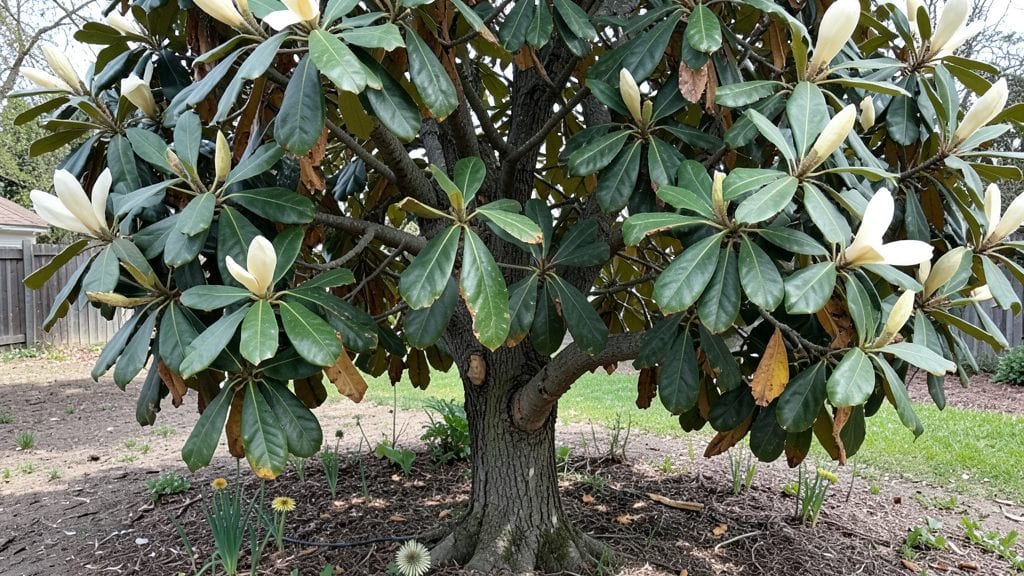
Wondering how tall does a magnolia tree grow? The answer varies widely—from just 8 feet to towering over 100 feet—based on species and growing conditions.
If you’re dreaming of a majestic magnolia tree in your yard but wondering whether it’ll dwarf your home or blend seamlessly into the landscape, the answer depends entirely on the species.
Some magnolias stay compact enough for small gardens, while others tower over 100 feet—transforming your property into a serene woodland retreat.
For gardeners in USDA Zone 6a, the best time to plant a magnolia tree is late winter to early spring, when the soil is workable and the risk of frost has passed.
This timing ensures your tree gets a strong start, which is especially important for varieties that can grow 40 feet or taller in just a few decades.
Below, we’ll break down the height ranges by species, share tips for managing growth, and help you choose the perfect magnolia for your space—whether you want a dwarf variety or a grand specimen that will be the centerpiece of your landscape.


Magnolia tree height ranges by species: from dwarf to giant varieties
Choosing a magnolia tree for your landscape means weighing aesthetics against space—some varieties stay small enough for urban courtyards, while others become towering landmarks. The height of a magnolia at maturity can vary dramatically, from 8 feet to over 100 feet, depending on the species.
Understanding these ranges helps you select the perfect fit for your yard, whether you want a dwarf specimen or a grand statement tree.
Magnolias are divided into four broad height categories: dwarf (under 15 ft), small (15-25 ft), medium (25-40 ft), and towering (40+ ft). Each category offers unique blooms and foliage, but their mature sizes dictate where they thrive.
For example, a Southern Magnolia can reach 80-100 feet, while a Star Magnolia stays under 25 feet. Let’s explore the height ranges and growth habits of popular varieties to help you plan.
| Variety | Mature Height (ft) | Growth Rate | Best For |
|---|---|---|---|
| Magnolia 'Little Gem' | 8-15 ft | Slow (1-2 ft/year) | Small yards, containers |
| Magnolia stellata | 15-25 ft | Moderate (2-3 ft/year) | Urban landscapes, patios |
| Magnolia 'Elizabeth' | 15-25 ft | Slow to moderate | Foundation planting |
| Magnolia 'Jane' | 20-30 ft | Moderate (3 ft/year) | Medium-sized gardens |
| Magnolia grandiflora | 60-80 ft | Fast (3-5 ft/year) | Large estates, parks |
| Magnolia tripetala | 40-60 ft | Moderate (2-4 ft/year) | Woodland gardens |
| Magnolia soulangeana | 20-30 ft | Slow to moderate | Small to medium yards |
Dwarf magnolias like Magnolia 'Little Gem' are perfect for small spaces or container gardening. These varieties rarely exceed 15 feet and grow at a slow pace, making them ideal for city gardens or patios.
Their compact size also means they require minimal pruning, though they still produce fragrant blooms similar to their larger counterparts. If you’re limited on space but want the classic magnolia look, this is your best bet.
Small to medium magnolias, such as Magnolia stellata and Magnolia 'Jane', strike a balance between manageability and grandeur. These trees typically reach 15 to 30 feet at maturity, making them suitable for urban landscapes or as focal points in medium-sized yards.
They grow at a moderate rate, so you’ll see noticeable height gains each year without overwhelming your property. Their early spring blooms add a splash of color before most other trees leaf out.
For those with larger properties, medium to towering magnolias like Magnolia grandiflora and Magnolia tripetala deliver dramatic impact. The Southern Magnolia (Magnolia grandiflora) can soar to 80 feet or more, creating a shade canopy that’s perfect for parks or sprawling estates.
These giants grow quickly, especially in southern climates, so plan accordingly if you’re planting near structures or power lines. Their evergreen foliage and large, glossy leaves add year-round interest.
Growth habits also play a role in height management. Some magnolias, like Magnolia 'Little Gem', grow in a narrow,
How fast do Magnolia trees grow? Growth rates and time to maturity
Magnolia trees are known for their stunning blooms and lush foliage, but their growth speed can vary dramatically depending on the species and growing conditions. While some varieties grow just a few inches per year, others can shoot up 3 feet annually under ideal circumstances.
Understanding these growth rates helps you plan your landscape design and set realistic expectations for your magnolia’s maturity.
For most magnolias, the first few years focus on establishing a strong root system, which means slower height growth. However, once established, many species can reach their mature height within 15 to 30 years, depending on the variety.
For example, a Southern Magnolia might take 25 years to reach its towering 60-foot height, while a Star Magnolia could mature in just 10 years at 15 feet.
Here’s what you need to know about magnolia growth rates, factors that influence their height, and how long it takes for them to reach full maturity:
- 1. Annual Growth Rate: 2-3 feet per year (fastest-growing species like Magnolia 'Little Gem'); 6-12 inches per year (slower growers like Southern Magnolia).
- 2. Time to Maturity: 10-30 years to reach full height, with dwarf varieties maturing in 5-10 years and giants taking 25+ years.
- 3. Fastest Growers: Magnolia 'Little Gem' (3 ft/year), Magnolia stellata (2 ft/year), and Magnolia 'Black Tulip' (1.5 ft/year).
- 4. Slowest Growers: Southern Magnolia (6-12 in/year), Magnolia tripetala (8-12 in/year), and Magnolia grandiflora (1 ft/year).
- 5. Key Growth Factors: Sunlight (full sun accelerates growth), soil drainage (avoid waterlogged roots), and climate (warmer zones speed up growth).
Climate plays a huge role in how fast your magnolia grows. Trees in USDA Zones 7-9 thrive with rapid growth, especially in humid, subtropical regions where Southern Magnolias dominate.
In cooler climates like Zone 5 or 6, growth slows significantly, and some varieties may struggle to reach their full potential height. For instance, a Star Magnolia in Zone 4 might only grow 1 foot per year compared to 2-3 feet in Zone 7.
Soil quality is another critical factor. Magnolias prefer well-draining, slightly acidic soil (pH 5.0-6.0). Poor drainage or compacted soil can stunt growth, while nutrient-rich, loamy soil with added compost can boost height gains by 30-50%. Always amend heavy clay soil with organic matter to improve aeration and root development.
To optimize your magnolia’s growth, focus on these three strategies: plant in full sun to partial shade, water deeply but infrequently (once established), and avoid over-fertilizing, which can lead to weak, leggy growth.
Pruning is best done in late winter to shape the tree, but avoid heavy pruning, as magnolias respond poorly to aggressive cuts and may take years to recover.
With the right conditions, your magnolia can become a stunning focal point in your garden—whether it’s a dwarf variety for a small yard or a towering giant for a sprawling estate. Patience is key, as these trees reward long-term care with breathtaking blooms and year-round interest.