
Landscaping
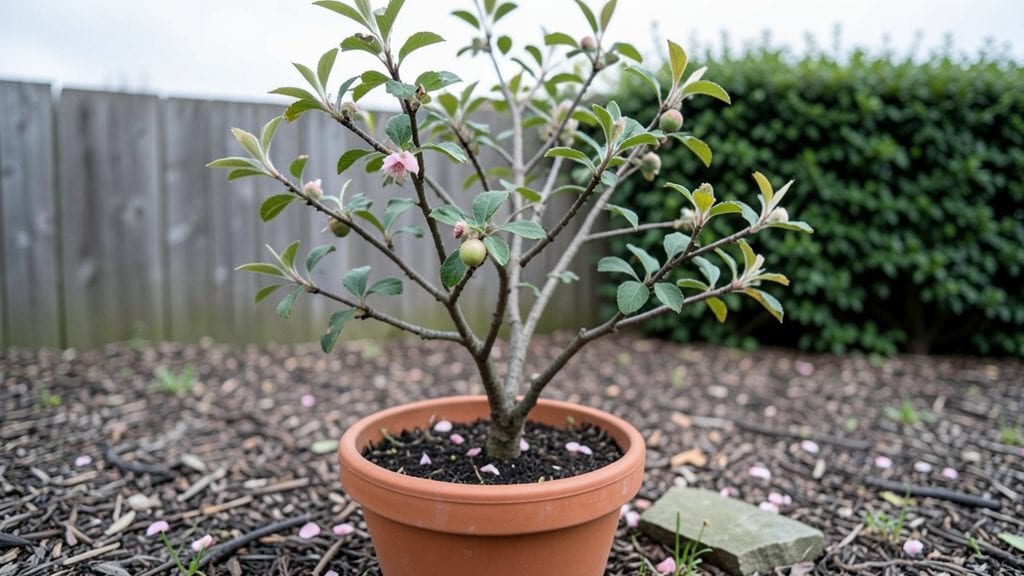
Decorating a small tree can transform it from a simple plant into a stunning focal point that steals the show. 🌿 I’ve turned my own backyard’s tiny Japanese maple into a year-round conversation piece using nothing but a few clever tricks and seasonal swaps.
The key is working with what you’ve got—whether it’s a dwarf fruit tree, a bonsai, or even a potted olive tree—and letting your personality guide the choices.
You don’t need fancy tools or expensive supplies to make it happen. A handful of themed ornaments, some climbing plants, and a few strategic lights can create magic with minimal effort.
For example, a painted trunk with geometric patterns or hand-carved designs instantly elevates a plain tree, while fairy lights draped gently among branches add warmth and charm—especially at night. The best part? Most of these ideas work indoors too, making them perfect for small patios or cozy porches.
Imagine your tree as the centerpiece of a whimsical fairy garden in spring or a festive holiday display in winter. With the right decorations, it’ll look like it belongs in a storybook—without requiring constant upkeep.
You’ll love how a single tree can tie together your entire garden design, even in the tightest spaces. Let’s get creative and make it uniquely yours.
Fair warning: once you start, you’ll want to decorate every small tree in sight. The possibilities are endless, from seasonal wreaths to miniature sculptures tucked into the branches.
And don’t worry—most of these ideas are budget-friendly and can be swapped out as your style evolves. Ready to give your tree the spotlight it deserves?
📚 In This Guide
- What you need
- Instructions
- Tips and common mistakes
- Wrapping up and next steps
What you need
- ● Small tree (3-6 feet tall) – Choose a healthy, pruned variety like a bonsai, dwarf fruit tree, or ornamental tree (e.g., Japanese maple, dogwood, or crepe myrtle).
- ● Decorative accents (pick 2-3): Miniature garden flags or solar-powered lights (5-10 pieces)
- ● Fairy lights (50-100 feet, battery-operated or solar)
- ● Hand-painted rocks or ceramic ornaments (5-15 pieces)
- ● Dwarf garden statues (1-2, like gnomes, animals, or figurines)
- ● Moss or artificial greenery (1-2 small bundles for texture)
- ● Soil & mulch: 1-2 bags of organic mulch (for moisture retention)
- ○ Slow-release fertilizer (optional, for nutrient boost)
- ● Basic tools: Pruning shears (for shaping)
- ● Garden gloves (1 pair)
- ● Small trowel or hand shovel (for planting)
- ○ Optional but helpful: Spray paint (for customizing ornaments)
- ● Twine or decorative ribbon (for hanging lights/ornaments)
- ● Birdhouse or bat box (for a functional touch)
- ● Small watering can (with a narrow spout)
Step-by-step instructions for decorating a small tree
Transform your compact tree into a stunning focal point with these refined techniques.
🌿 Step 1: Assess Your Tree’s Structure and Light
Start by examining your tree’s natural form—notice where branches grow thickest and where gaps create opportunities. A small tree’s charm lies in its organic shape, so work with its existing silhouette rather than against it. Observe its light exposure: full sun trees can handle bold, vibrant decorations, while partial shade varieties benefit from softer, muted tones.
I always sketch a rough outline of the tree’s structure on paper, marking dense branch clusters and bare spots. This helps visualize where decorations will look most balanced. For example, a tree with a full canopy at the top but sparse lower branches might need upward-growing vines or hanging ornaments to fill the void. Avoid overcrowding—aim for 10-15% coverage of the tree’s surface area with decorations to maintain its natural elegance.
🪴 Step 2: Select Complementary Decorative Materials
Choose decorations that harmonize with your tree’s scale and style. For a delicate dwarf ornamental cherry, opt for lightweight materials like ceramic figurines, woven baskets, or glass ornaments. Larger trees, like a Japanese maple, can handle bolder elements such as metal sculptures or large woven hangings.
I prefer natural textures—think wooden slices, dried citrus slices, or feathered accentssoft twine or leather straps to prevent bark abrasion.
☀️ Step 3: Arrange Decorations for Visual Balance
Begin with the tree’s highest branches and work downward, placing the largest or heaviest decorations first. This creates a natural progression that guides the eye upward. For a symmetrical look, mirror decorations on opposite sides of the tree—place a ceramic birdhouse on the left branch and its twin on the right. Asymmetrical trees benefit from a more organic scatter, focusing on filling gaps rather than creating perfect symmetry.
Step back frequently to assess the overall effect. You’re aiming for a layered, textured appearance—mix heights, shapes, and materials to add depth. If a decoration feels out of place, adjust its position slightly rather than forcing it. For example, a woven basket might look better on a lower branch if it’s too heavy for the upper limbs. Use small bamboo stakes or wire to temporarily secure decorations while you refine their placement.
✂️ Step 4: Secure Decorations Without Harming the Tree
Use soft plant ties or decorative ribbons to attach items to branches—never nails, screws, or tight wires that can girdle the bark. For lightweight decorations, a simple twist-tie or hook works perfectly. If you’re hanging items, tie them to branches with 100% natural fiber twine or leather thongs to prevent cutting into the bark over time.
I avoid wrapping decorations directly around the trunk, as this can restrict growth and trap moisture. Instead, focus on branches or use freestanding bases for heavier items. For example, place a stone lantern on the ground beneath the tree rather than attaching it to the trunk. After securing everything, give the tree a gentle shake to ensure decorations stay in place without wobbling or shifting.
💧 Step 5: Maintain Decorations Seasonally
Check decorations every 2-3 months to ensure they remain secure and haven’t caused damage. Adjust ties or remove any items that look worn or unsafe. Seasonal changes mean your tree’s appearance will evolve—swap out summer decorations for autumn leaves or winter ornaments to keep it fresh. For example, replace a brightly colored summer basket with a woven evergreen garland as temperatures drop.
Clean decorations annually with a damp cloth and mild soap to remove dust or sap buildup. If any decorations develop mold or mildew, replace them immediately to protect the tree’s health. I also recommend rotating decorations occasionally—move items to new branches or swap them out entirely—to prevent permanent marks on the bark. This keeps your tree looking vibrant and well-cared-for year-round.
Tips & tricks for perfect small tree decorations
Transforming a small tree into a garden masterpiece takes thoughtful planning—and these refined techniques will elevate your design from charming to extraordinary.
Visual Planning Pays Off: Before you even touch your tree, sketch a simple diagram of its structure. I always mark the densest branch clusters and note any gaps in coverage. This pre-visualization helps you distribute decorations strategically, creating a balanced look that feels intentional rather than haphazard. Think of it as the architectural blueprint for your decorative vision—where you'd place a ceramic birdhouse on one side should mirror its twin on the other, even if your tree isn't perfectly symmetrical. The key is to maintain that 10-15% coverage guideline while filling voids with upward-growing elements like vines or hanging ornaments.
Material Matters More Than You Think: The difference between a delicate dwarf ornamental cherry and a robust Japanese maple isn't just size—it's about material selection. For smaller trees, lightweight wooden slices or glass ornaments create visual interest without overwhelming the branches. I've learned the hard way that heavy metal decorations can actually damage tender branches over time, so I always test-fit items before securing them. For hanging decorations, 100% natural fiber twine is my go-to—it's strong yet gentle on bark, and it blends beautifully with organic textures. Pro tip: Avoid plastic items entirely; they trap moisture and can lead to mold or mildew.
Layering Creates Depth: The magic happens in the details, and that means thinking vertically. Start with your largest or heaviest decorations at the top branches, then work your way downward with progressively smaller items. This creates that coveted layered effect that makes your tree look professionally styled. I like to mix textures—pairing a woven basket with feathered accents adds visual complexity. And here's a secret: If a decoration feels too heavy for its branch, don't force it. Move it lower or to a sturdier branch—your tree's health comes first, and the visual impact will still be stunning.
Seasonal Rotation Keeps It Fresh: Your tree's decor should evolve with the seasons, and that's where the real artistry comes in. I maintain a seasonal inventory of decorations—brightly colored summer baskets give way to woven evergreen garlands in winter, while autumn leaves add natural beauty in fall. The key is to check your decorations every 2-3 months and make adjustments. Not only does this keep your tree looking vibrant year-round, but it also prevents decorations from becoming permanent fixtures that could damage the bark. Think of it as a living canvas that changes with the seasons.
Pro Tips for Decorate A Small Tree
- Transforming a small tree into a garden masterpiece takes thoughtful planning—and these refined techniques will elevate your design from charming to extraordinary.
- Visual Planning Pays Off: Before you even touch your tree, sketch a simple diagram of its structure.
- Material Matters More Than You Think: The difference between a delicate dwarf ornamental cherry and a robust Japanese maple isn't just size—it's about material selection.
Frequently asked questions
Got questions about decorating your small tree? We’ve got answers!
Whether you’re working with limited space, seasonal constraints, or just curious about creative alternatives, here’s what you need to know to make your tiny tree the star of your garden.
What’s the best time of year to decorate a small tree?
For outdoor trees, spring or early summer is ideal—when the tree is lush but not yet in full bloom. If decorating for holidays (like Christmas), opt for lightweight, weather-resistant materials like LED string lights or faux greenery. Indoor trees? Year-round decor works, but avoid heavy ornaments that could damage delicate branches.
Can I decorate a small tree without damaging its branches?
Use clip-on ornaments, twist ties, or soft wire to secure decorations without piercing bark. For lightweight decor like ribbons or fairy lights, wrap gently around branches. Pro tip: Skip heavy ornaments—they can bend or break tender shoots. When in doubt, opt for hanging ornaments from higher branches.
What are some space-saving decor ideas for tiny trees?
Think vertically and minimalist! Try:
- Miniature toppers (like a tiny star or bow) to cap the tree.
- Sheer fabric drapes (tulle, lace) for a dreamy, airy look.
- Single-stem ornaments (e.g., a single pearl, feather, or small lantern).
- Projection mapping (for a tech-savvy twist—project stars or patterns onto the tree at night!).
For indoor trees, consider magnetic ornaments if the tree is in a metal pot!
How do I protect my tree decorations from rain or wind?
Outdoor decor needs a little extra TLC. Use:
- Waterproof ornaments (plastic, resin, or sealed wood).
- Clear sealant spray on fabric or paper decorations.
- Wind-resistant placement—avoid dangling items that can flap or tear.
- Removable covers (like a mesh bag) for extreme weather.
For holiday trees, store decor indoors in a dry place when not in use.
What if my tree is sick or has bare spots—can I still decorate it?
Yes! Focus on strengths over flaws. Use greenery garlands to camouflage bare spots, or highlight healthy areas with clustered ornaments. If the tree is struggling, skip heavy decor and opt for lightweight, natural elements like pinecones or dried flowers. For recovery support, pair decor with balanced pruning and proper watering.
Wrapping up and next steps
Decorating a small tree doesn’t mean sacrificing style—it’s all about creativity and smart planning! With the right materials, a little patience, and a dash of imagination, you can transform even the tiniest tree into a stunning focal point.
Whether you choose whimsical ornaments, lush greenery, or elegant lighting, your tree will shine as a unique garden treasure.
Ready to take the next step? Sketch a quick design based on your tree’s size and your vision, then gather your supplies and start decorating! 🌿✨ Your garden’s new centerpiece awaits—go make it magical!