
How To
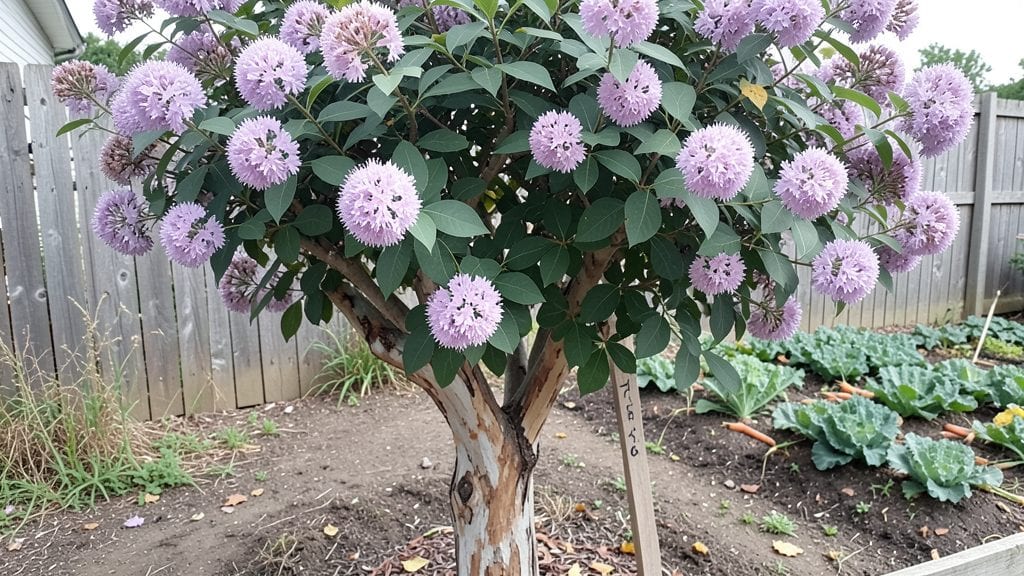
How tall does a crepe myrtle tree grow—it can range from just 3 feet to a stunning 30 feet tall, depending on the variety and care.
If you're dreaming of a stunning shade tree with vibrant blooms but limited space, crepe myrtles offer a perfect balance—yet their height varies dramatically. Understanding how tall crepe myrtles grow by variety and climate zone can help you choose the ideal specimen for your landscape.
Some varieties, like the 'Arapaho', stay compact at just 6 feet, making them ideal for small yards, while others, such as the 'Natchez', can reach heights of 30 feet or more. The difference isn’t just about space—it’s also about sunlight, soil, and pruning habits.
In this guide, I’ll break down the height ranges by variety, how climate zones affect growth, and 5 simple tips to control their size naturally—so you can enjoy their beauty without sacrificing your yard.


Crepe myrtle height ranges by variety: dwarf to giant options
Choosing the right crepe myrtle variety depends entirely on your space and vision. Some cultivars stay compact enough for small yards, while others grow into towering shade providers. The mature height of a crepe myrtle can range from just 3 feet to over 30 feet, making variety selection critical.
Whether you need a privacy screen or a specimen tree, understanding these differences ensures you pick the perfect fit for your landscape.
For urban gardens or tight spaces, dwarf varieties like 'Arapaho' or 'Tonto' are ideal, topping out at 6 feet or less. These low-growing crepe myrtles offer all the beauty of their larger cousins without overwhelming your yard.
Meanwhile, traditional varieties like 'Natchez' or 'Muskogee' can soar to 30 feet or taller, providing dramatic shade and seasonal interest. Let’s explore the full spectrum of options so you can make an informed choice.
📊 Comparison Table: Crepe Myrtle Height by Variety
| Variety | Mature Height (ft) | Spacing Needs (ft) | Best For |
|---|---|---|---|
| Arapaho | 3–6 | 4–6 | Containers, small yards |
| Tonto | 4–6 | 4–5 | Foundation plantings |
| Catawba | 6–12 | 6–8 | Medium yards, privacy screens |
| Muskogee | 15–20 | 12–15 | Shade trees, large properties |
| Natchez | 25–30+ | 20–25 | Park-like settings, statement trees |
| Sioux | 10–15 | 8–10 | Medium to large yards |
Dwarf varieties like 'Arapaho' and 'Tonto' are perfect for small-space gardening or container planting. Their 3–6 foot height makes them ideal for patios, balconies, or even as bush-style specimens. Just ensure you provide 4–6 feet of spacing around them to allow for airflow and future growth.
These varieties also bloom prolifically, offering vibrant flowers in shades of pink, purple, and white from summer to fall.
If you’re aiming for a medium-height crepe myrtle, varieties like 'Catawba' or 'Sioux' strike the perfect balance. Growing 6–15 feet tall, they’re versatile enough for privacy screens, yard accents, or even as specimen trees in medium-sized yards.
Their spreading habit adds visual interest while keeping maintenance manageable. For these varieties, maintain 6–10 feet of spacing between plants to prevent overcrowding.
For those with larger properties or a desire for dramatic shade, taller varieties like 'Muskogee' or 'Natchez' are unbeatable. These giants can reach 20–30 feet, providing ample shade and a grand focal point in any landscape.
Plant them 20–25 feet apart to ensure they have room to develop their full canopy without competing for resources. Their towering presence also makes them excellent choices for street trees or park-like settings.
When selecting a
How climate zones affect crepe myrtle growth height and speed
Your crepe myrtle may thrive in your backyard, but its growth height and speed depend heavily on your USDA hardiness zone.
In warmer climates like zone 9-10, these trees can shoot up 3 feet per year, while in cooler zone 5-6, growth slows to just 1-2 feet annually. Understanding this variation helps you plan for the right variety and spacing from day one.
Southern climates offer ideal conditions for crepe myrtles: longer growing seasons, full sun exposure, and minimal frost stress. Meanwhile, northern gardeners must choose hardier varieties or provide extra care to encourage growth. Let’s break down how your climate zone impacts height and what you can expect seasonally.
In zone 5-6, crepe myrtles grow more slowly due to shorter seasons and colder winters. If you’re planting in these areas, opt for dwarf varieties like 'Arapaho' (6 ft) or 'Centennial' (8 ft) to avoid overgrowth. These varieties also handle late frosts better, making them ideal for northern gardens.
Gardeners in zone 7-8 enjoy a sweet spot for crepe myrtles. With moderate growth rates and reliable blooms, varieties like 'Natchez' (25+ ft) or 'Tonto' (15 ft) thrive here.
Prune in late winter to shape growth and encourage vibrant summer flowers. The extended growing season allows for faster recovery after pruning.
For those in zone 9-10, crepe myrtles can become giants if unchecked. Standard varieties like 'Catawba' or 'Muskogee' may reach 30 feet or taller with minimal effort. To manage height, prune in early spring before new growth begins.
These climates also support year-round interest, with some varieties holding bark and foliage even in mild winters.
Regardless of your zone, always plant crepe myrtles in well-draining soil with full sun exposure for optimal growth. Mulch around the base to retain moisture and protect roots, especially in drier southern zones.
With the right care, your crepe myrtle will reward you with season-long color and a perfect fit for your landscape.