
Fertilization
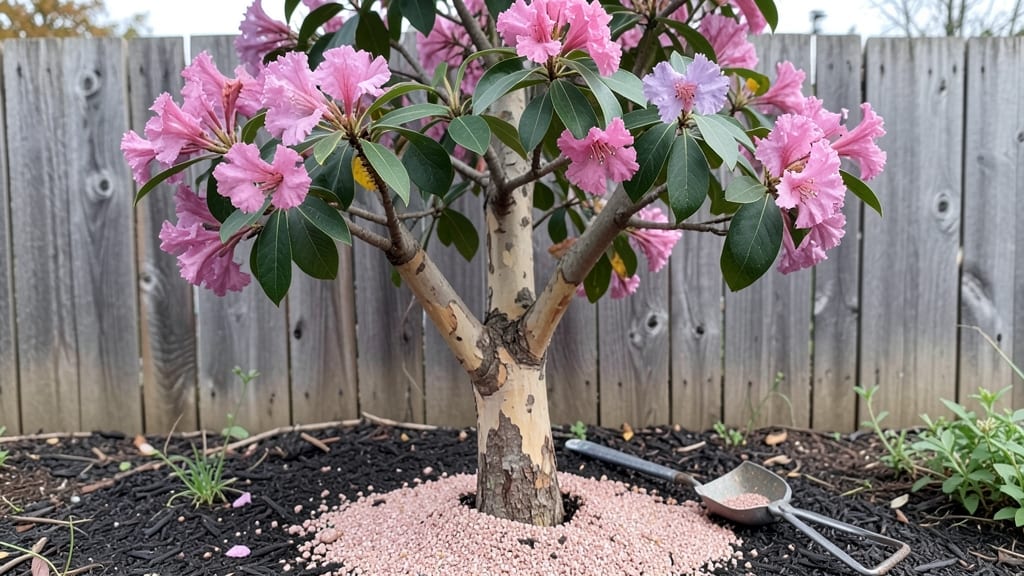
To fertilize crepe myrtle trees properly, use a balanced low-nitrogen formula like 10-10-10 in early spring when new growth begins.
Crepe myrtle trees 🌳 burst with vibrant blooms year after year—but without the right fertilization strategy, their growth can stall, leaving you with sparse flowers and leggy branches. Discover the science-backed seasonal schedule that transforms your crepe myrtle into a showstopper, from early spring prep to winter care.
Most gardeners make one critical mistake: overdoing nitrogen, which fuels leaves instead of flowers. The key is a balanced approach—applying fertilizer at the right time with the right ratio ensures lush blooms without burning the roots.
Below, I’ll walk you through the exact timing, fertilizer types, and application methods that keep your crepe myrtle thriving for decades—no guesswork required.

Best fertilizer types and application rates for crepe myrtle trees
Choosing the right fertilizer for your crepe myrtle makes all the difference between vibrant blooms and leggy growth. These trees thrive on a balanced NPK ratio of 3-4-3 or 8-3-9, designed to support both root development and flower production.
High-nitrogen fertilizers might give you lush foliage, but they’ll leave you with fewer blooms—the showstopper feature of crepe myrtles!
Organic options like compost, fish emulsion, or bone meal build soil health over time, while synthetic granular fertilizers provide quick nutrient bursts.
For young trees, I recommend starting with slow-release granules to avoid overloading their roots. Mature trees can handle more frequent feedings, but timing matters just as much as the type.
Here’s a quick guide to help you pick the best fertilizer and apply it correctly based on your tree’s age and size:
🌱
<summary-table>| Fertilizer Type | NPK Ratio | Best For | Application Rate | Frequency |
|---|---|---|---|---|
| Granular (Synthetic) | 8-3-9 | Mature Trees | 1 cup per 1-inch trunk diameter | Every 6-8 weeks (spring-summer) |
| Slow-Release (Organic) | 3-4-3 | Young Trees | ½ cup per 1-inch trunk diameter | Every 8-10 weeks (spring-fall) |
| Fish Emulsion (Liquid) | 5-1-1 | New Plantings | 1 tbsp per gallon of water | Every 4 weeks (spring) |
| Compost or Bone Meal | N/A (Organic) | All Trees (Soil Amendment) | 2-3 inches around base | Once per season (spring) |
For young crepe myrtles (under 3 years old), I always start with a light dose of fertilizer—think half the recommended amount—to avoid shocking their roots.
As they mature, you can gradually increase the dosage. Mature trees (over 5 years) can handle the full 8-3-9 ratio, but split applications into two feedings per season to prevent nutrient burn.
One of my favorite tricks? Mixing granular fertilizer with compost before applying. This combo gives your tree a steady nutrient supply while improving soil structure. Always water the area thoroughly after application to help the nutrients reach the roots.
If you notice yellowing leaves or leaf burn after fertilizing, flush the soil with water to dilute excess salts. This is a common sign of over-fertilization, especially in hot, dry weather. In these cases, switch to a more diluted solution or organic options until the tree recovers.
For container-grown crepe myrtles, use a water-soluble fertilizer diluted to half-strength. These trees have limited root space, so less is more—over-fertilizing can lead to root rot or nutrient toxicity. Always check the drainage holes to ensure excess water escapes.
Pro tip: Mark your calendar for early spring (just as buds swell) and late summer (after blooming) as the best times to fertilize. Avoid feeding in fall or winter, as crepe myrtles enter dormancy and won’t benefit from nutrients during this time.
🌿
Seasonal fertilization schedule for maximum blooms and growth
Timing your crepe myrtle's fertilization is just as important as the product you use. These trees thrive with a balanced approach—too much fertilizer at the wrong time can lead to leaf burn or reduced blooms.
The key is feeding them when they need energy most: early spring for root growth, summer for flower production, and avoiding fall/winter entirely. Let’s break down the exact schedule to keep your crepe myrtle lush and blooming year after year.
I’ve learned from years of gardening that crepe myrtles respond best to a three-season fertilization plan. Skipping winter and fall feedings prevents stress, while strategic spring and summer applications fuel vibrant blooms.
The goal is to mimic natural growth cycles—supporting roots in spring, blooms in summer, and letting the tree rest in cooler months. Here’s how to do it right.
- Early Spring (March-April): Apply a balanced fertilizer (10-10-10 NPK) when new leaves emerge. Use ½ cup per inch of trunk diameter (e.g., 1 cup for a 2-inch trunk). Water deeply after application to prevent root burn.
- Late Spring (May): Feed again with a low-nitrogen fertilizer (e.g., 3-4-3) to encourage blooms. Avoid high-nitrogen products—they promote foliage over flowers. Spread fertilizer in a 3-foot ring around the base and scratch it into the soil.
- Early Summer (June): Lightly feed with a bloom-boosting fertilizer (e.g., 8-3-9) if flowers appear sparse. Reduce dosage by half to prevent over-fertilization before dormancy. Water thoroughly to activate nutrients.
- Mid-Summer (July-August): Skip feeding unless you notice pale leaves or poor blooms. Instead, focus on mulching (2-3 inches of organic mulch) to retain moisture and cool roots. This helps the tree recover from blooming stress.
- Fall (September-October): Stop fertilizing entirely. New growth in fall is vulnerable to frost damage. Let the tree store energy for next year’s blooms. Remove old mulch and replace it with fresh organic matter to protect roots over winter.
- Winter (November-February): Do not fertilize. Crepe myrtles are dormant and cannot absorb nutrients. Focus on light pruning (removing dead wood) and monitoring for pests like scale insects.
Pro Tip: Always water your crepe myrtle before fertilizing to prevent root damage.
One common mistake I’ve seen is fertilizing crepe myrtles in late summer or fall, which tricks the tree into growing new shoots that won’t survive winter. This weakens the tree and reduces next year’s blooms.
Instead, think of fall as a rest period—like tucking your tree in for a long nap. I’ve also noticed that over-fertilizing in spring can cause yellowing leaves or even leaf drop, so always follow the dosage guidelines.
For established trees, I recommend sticking to a slow-release granular fertilizer in spring. It releases nutrients gradually, reducing the risk of fertilizer burn. If you prefer organic options, try a composted manure or bone meal blend in early spring.
Just remember: organic fertilizers take longer to break down, so apply them 2-3 weeks before you plan to feed with synthetic products.
If your crepe myrtle isn’t blooming as expected, it might be getting too much nitrogen. Switch to a phosphorus-heavy fertilizer (like 5-10-5) in late spring to encourage flowering.
And always pair fertilization with proper watering—deep watering 2-3 times per week during dry spells helps the tree absorb nutrients efficiently. With this schedule, your crepe myrtle will reward you with showstopping blooms for years to come.