
Fertilization
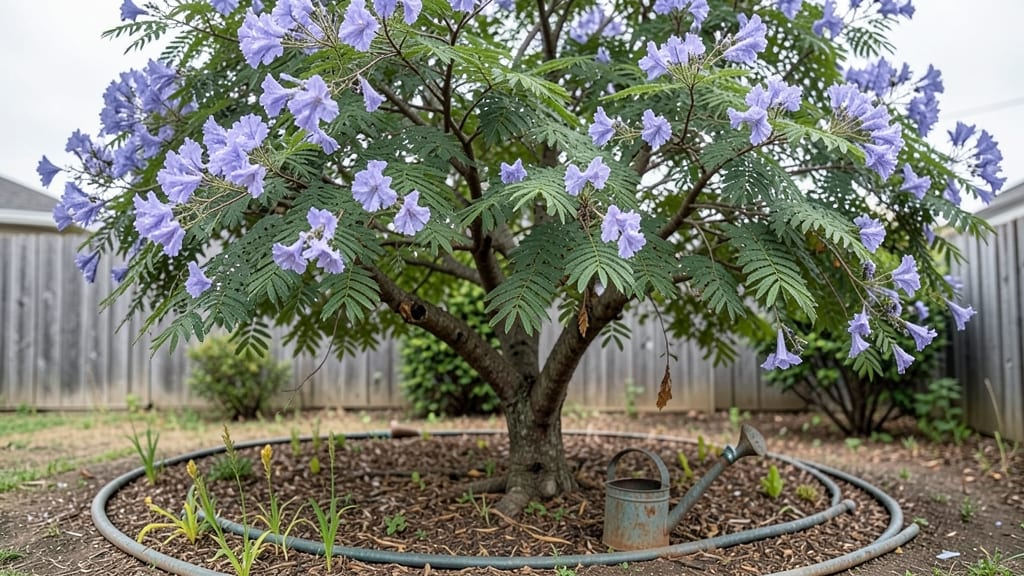
Choosing the right jacaranda tree fertilizer makes all the difference in coaxing out those breathtaking purple blooms you’ve been longing for.
Struggling to get your jacaranda tree to burst into its signature purple glory? The secret might be hiding in the numbers—your nitrogen-phosphorus-potassium (NPK) ratios could be the difference between sparse blooms and a breathtaking floral display.
Jacarandas thrive in well-draining soil with a balanced fertilizer, but too much nitrogen can actually stunt those vibrant flowers you love. Instead, a low-nitrogen, phosphorus-rich blend in early spring is the game-changer for encouraging healthy growth and abundant blooms.
In this guide, I’ll break down the best fertilizer types, application timing, and how to spot signs of over- or under-fertilization—so you can keep your jacaranda looking its best year after year.

Optimal NPK ratios for jacaranda trees to maximize flowering
Jacaranda trees are famous for their stunning purple blooms, but achieving that showstopping display requires precision in fertilizer application. Unlike many trees, jacarandas thrive on low-nitrogen formulas to prevent excessive foliage growth at the expense of flowers.
Instead, they need phosphorus-rich fertilizers to fuel blooming and potassium for vibrant flower production. Getting the NPK ratios right ensures your tree puts energy into showy blossoms rather than leafy branches.
The key to maximizing jacaranda blooms lies in adjusting NPK ratios based on the tree’s age and growth stage. Young trees need balanced nutrients for root and trunk development, while mature trees benefit from phosphorus-heavy formulas to stimulate flower buds.
Seasonal timing also plays a critical role—spring feeding encourages new growth, but summer applications should be minimal to avoid stress during peak heat. Let’s break down the ideal ratios for each stage.
| Tree Stage | NPK Ratio | Best Time to Apply | Key Nutrient Focus | Application Rate |
|---|---|---|---|---|
| Newly Planted (0-2 years) | 5-10-10 | Early spring (Feb-Mar) | Root development | 1 tbsp per sqft |
| Established (3-5 years) | 6-12-6 | Late winter (Jan-Feb) | Flower bud formation | 2 tbsp per sqft |
| Mature (5+ years) | 3-9-6 | Early spring (Feb-Mar) | Vibrant blooms | 3 tbsp per sqft |
| Post-Blooming (Summer) | 2-4-4 | June-July (light feed) | Root recovery | 1 tbsp per sqft |
| Dormant (Fall-Winter) | 0-0-0 (none) | September-November | Rest period | N/A |
For newly planted jacarandas, a 5-10-10 NPK ratio is ideal because young trees prioritize root establishment over flowering. The higher phosphorus (second number) helps stimulate early root growth, while moderate potassium (third number) supports overall tree health.
Apply this slow-release granular fertilizer in early spring—just as new growth begins—to avoid shocking the delicate roots.
Once your jacaranda reaches 3-5 years old, switch to a 6-12-6 ratio to encourage flower bud formation. The high phosphorus (12) is critical here, as it directly fuels bloom production.
This is the stage where many gardeners see their first dramatic purple cascades, but only if the NPK balance is correct. Avoid high-nitrogen fertilizers—these will produce leafy growth instead of flowers, leaving you with a lush but barren tree.
Mature jacarandas (5+ years) need a 3-9-6 ratio to maintain vibrant, abundant blooms. The low nitrogen (3) prevents excessive foliage, while the high phosphorus (9) ensures energetic flower production.
Potassium (6) plays a supporting role by strengthening cell walls, which keeps blooms long-lasting and resilient against heat and wind. Apply this blend in early spring, just as the tree breaks dormancy, to set the stage for summer’s floral spectacle.
After the blooming season, a light feed with a 2-4-4 ratio in late summer helps the tree recover without overstimulating new growth. This low-nitrogen, balanced approach ensures the tree stores energy for next year’s blooms rather than wasting resources on late-season foliage.
Think of it as a maintenance tune-up—just enough to keep the tree healthy without disrupting its natural cycle.
Best organic vs synthetic fertilizers for jacaranda trees compared
Choosing the right jacaranda tree fertilizer can transform your tree from a sleepy green giant to a showstopper with vibrant purple blooms. But with so many options—from organic compost to synthetic NPK blends—how do you decide?
Let’s break down the key differences to help you pick what works best for your tree’s needs without risking root burn or nutrient overload.
Jacarandas thrive on phosphorus-rich fertilizers to fuel their spectacular flowers, but they’re sensitive to high nitrogen, which can stunt blooming. Organic options like compost and bone meal release nutrients slowly, while synthetic fertilizers offer precise NPK ratios.
Each has pros and cons, especially when it comes to cost, application frequency, and soil health. Let’s compare them side by side so you can make an informed choice.
Organic Fertilizers for Jacaranda Trees
Synthetic Fertilizers for Jacaranda Trees
For organic fertilizers, I recommend starting with a well-aged compost (2-3 inches spread around the base in early spring) paired with a bone meal application (1/2 cup per tree) to boost phosphorus for blooms.
This combo mimics the tree’s natural nutrient needs while improving soil health. Worm castings are another great option—they add micronutrients without overwhelming the tree.
If you prefer synthetic fertilizers, opt for a balanced NPK blend like 6-6-6 or a low-nitrogen, high-phosphorus formula (e.g., 3-12-6). Apply it in early spring (February-March) when new growth begins, and always water thoroughly afterward to prevent salt buildup.
Avoid fertilizing during summer heat—jacarandas go dormant in high temperatures, and extra nutrients can stress the roots.
Pro tip: Mix both approaches! Use organic compost in fall to rebuild soil and synthetic fertilizer in spring for a quick bloom boost. This hybrid method gives you the best of both worlds—long-term soil health and seasonal flowering power.
Just remember, less is more with jacarandas; they’re sensitive to over-fertilization, which can lead to leaf yellowing or reduced blooms.
🌿