
Picking
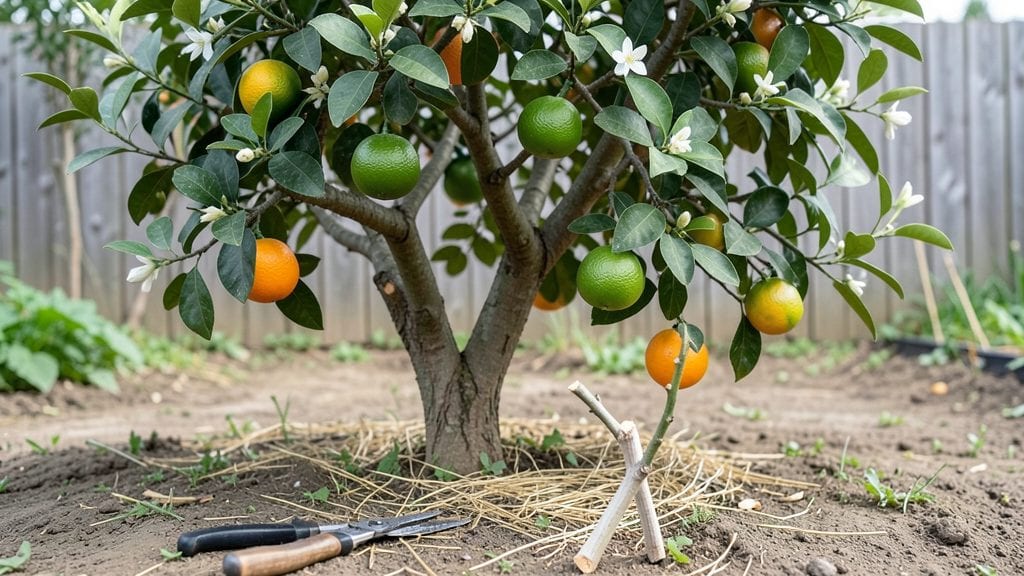
Picking oranges straight from the tree delivers fruit that’s sweeter, juicier, and packed with flavor you won’t find in the grocery store. 🌿 I’ve learned the hard way that timing, technique, and a little patience make all the difference between a handful of perfect oranges and a bin of bruised, bitter ones.
The secret starts with knowing when to harvest—wait until the fruit is fully colored, slightly soft when gently squeezed, and separates easily from the tree with a gentle twist. You’ll need a sturdy ladder, a basket or bucket, and a sharp knife or pruning shears for stubborn stems.
Most varieties peak in late fall to winter, but exact timing depends on your climate zone.
By following these steps, you’ll end up with vibrant, fragrant oranges that burst with juice and sweetness when sliced. The right technique keeps the tree healthy for next season while giving you fruit so good, you’ll never buy store-bought again. Here’s how to do it without a single bruise.
This method works for both backyard trees and larger groves, whether you’re harvesting just a few for fresh juice or a bushel for long-term storage. The key is working with the tree’s natural rhythm—not against it—and that’s what we’ll cover next.
📚 In This Guide
- What you need
- Instructions
- Tips and common mistakes
- Wrapping up and next steps
What you need
- ● Ladder or step stool: A sturdy 6- to 10-foot extension ladder (for taller trees) or a 4-foot step stool (for shorter ones). Ensure it’s rated for at least 250 lbs of weight.
- ● Harvesting gloves: A pair of gardening gloves (preferably with grip pads) to protect your hands from thorns and rough branches.
- ● Harvesting bags or buckets: 2-4 large canvas or mesh bags (capacity: 5-10 gallons each) to collect oranges gently without bruising them.
- ● OR 2 sturdy 5-gallon buckets with handles (line with a towel to prevent fruit damage).
- ● Pruning shears or harvesting clippers: A pair of bypass pruners (for cutting stems) or orange-specific harvesters (like the Fruit Picker tool) to avoid damaging branches.
- ○ Sharp knife or pruning saw: A small folding knife or hand pruning saw for thicker stems (optional but helpful for stubborn fruit).
- ● Harvesting pole: A 3- to 6-foot telescoping pole with a basket attachment to reach high branches without climbing.
- ● Spray bottle with water: A small misting bottle to dampen dry branches and prevent dust from sticking to fruit.
- ● Sunscreen & hat: Broad-spectrum SPF 30+ and a wide-brimmed hat for long harvest sessions under the sun.
- ● Orange ripeness tester: A simple color chart or refractometer (for precise sugar content checks).
- ● First-aid kit: A small kit with bandages, antiseptic wipes, and tweezers (for thorn pricks or minor cuts).
Step-by-Step guide to picking oranges from your tree
Harvesting oranges at peak ripeness ensures maximum flavor and juiciness—here's how to do it right.
🍊 Step 1: Determine Ripeness Through Color and Texture
Look for oranges that have turned a deep, solid color—no lingering green near the stem. Gently squeeze the fruit; it should yield slightly but not feel mushy. I always check the underside of the orange where it meets the branch—this is where ripeness shows most clearly. The skin should also feel slightly rougher than when green, with a slight bloom that rubs off easily.
Don't rely solely on color—some varieties stay greenish even when ripe. Instead, focus on the bright, even hue and the slight give when pressed. If the orange feels hard or still has green patches, it needs more time on the tree. Remember, oranges won't ripen further once picked, so patience here pays off in juicy rewards.
⏰ Step 2: Choose the Right Time of Day and Season
Harvest oranges on a cool morning after any overnight dew has dried. The fruit will be firmer and less prone to bruising. Most citrus varieties ripen in late fall through winter, but your exact timing depends on your climate. In warmer zones, oranges may stay on the tree until early spring, while colder areas should pick before the first frost.
If you're unsure about timing, check your tree's blooming history. Oranges typically take 6-12 months from flower to fruit, so track when flowers appeared last year. The first fruit to ripen is usually on branches that bloomed earliest. I always pick a few test oranges first to check flavor before harvesting the whole tree.
✂️ Step 3: Use Proper Techniques to Avoid Damaging the Tree
Never pull oranges directly from the branch—this can tear the fruit or damage the tree. Instead, twist the orange gently while holding the branch steady. The fruit should separate cleanly at the stem. If it resists, don't force it; let it ripen further or use clean pruning shears to cut the stem flush with the branch.
Work carefully around the tree to avoid stepping on branches or knocking fruit from neighboring limbs. I like to harvest from the ground when possible, using a sturdy ladder only if necessary. Always face the tree while climbing to maintain balance. After picking, inspect the tree for any remaining green or undersized fruit—these can be left to ripen for next year's harvest.
💧 Step 4: Handle and Store Picked Oranges Properly
Place freshly picked oranges in a single layer in a cardboard box or mesh bag to allow airflow. Avoid plastic bags, which trap moisture and promote rot. Store them in a cool (55-65°F), dry place away from direct sunlight. Oranges will keep for 2-4 weeks under these conditions, maintaining their juiciness and flavor.
If you plan to use them immediately, sort through your harvest right away. Remove any bruised or damaged fruit—these won't store well and can spoil others. For long-term storage, you can also freeze peeled oranges in single-layer trays before transferring to bags. This preserves their juiciness perfectly for smoothies or cooking later in the year.
☀️ Step 5: Maintain the Tree for Next Year's Harvest
After harvesting, give your orange tree a light pruning to remove any dead, diseased, or crossing branches. This improves airflow and sunlight penetration, which are crucial for next year's fruit production. I always prune in late winter when the tree is dormant, but you can do a light cleanup right after harvest if needed.
Apply a balanced citrus fertilizer (following package instructions) to replenish nutrients. Water deeply but infrequently—orange trees prefer dry conditions between waterings. Mulch around the base with 2-3 inches of organic material to retain moisture and regulate soil temperature. This sets your tree up for a bountiful harvest next season.
Tips & tricks for perfect orange harvesting
A few simple tricks will help you pick oranges at their juiciest peak and keep them that way for weeks.
The Ripeness Test: In Step 1, when checking for ripeness, pay special attention to the stem end of the orange—the color change is most noticeable there. Also, give the fruit a gentle twist while holding the branch. If it releases easily with a slight pop, that's your signal it's ready. I learned this the hard way after picking oranges that were still hard inside!
Seasonal Timing: Step 2 mentions late fall through winter, but here's the thing: if you're in a warmer climate, your oranges might stay ripe until early spring. I always check the local citrus harvest calendar for my area—it gives exact weeks when fruit is at its peak. For cooler climates, don't wait until frost; pick before temperatures drop below 30°F.
Handling Techniques: When using pruning shears in Step 3, cut just above the fruit's stem to avoid leaving a stub. This prevents potential rot and makes the orange look more professional when presented. I keep a small bucket under the tree to catch fallen fruit—it's amazing how many perfect oranges you'll miss if you're not looking down!
Storage Secrets: For that 2-4 week storage life mentioned in Step 4, I like to add a few apple slices to my storage box (optional). The ethylene gas from apples helps maintain juiciness, though I remove them before eating. Keep a small note in your storage area marking the date you picked them—this helps track freshness.
Pro Tips for Pick Oranges From Tree
- A few simple tricks will help you pick oranges at their juiciest peak and keep them that way for weeks.
- The Ripeness Test: In Step 1, when checking for ripeness, pay special attention to the stem end of the orange—the color change is most noticeable there.
- Seasonal Timing: Step 2 mentions late fall through winter, but here's the thing: if you're in a warmer climate, your oranges might stay ripe until early spring.
Frequently asked questions
When is the best time to pick oranges?
Oranges are ripe for picking when they’re firm, heavy for their size, and have a vibrant color—no green! In most regions, harvest season runs from late fall to early spring, but timing depends on your climate. A gentle squeeze should yield slightly, but avoid overripe fruit (it’ll be soft or mushy).
How do I pick oranges without damaging the tree?
Use sharp pruning shears or a small knife to twist and cut the stem just above the fruit. Avoid yanking—this can tear branches. For delicate trees, support the branch with your other hand to prevent snapping. Always pick from the bottom up to avoid overloading limbs.
What if my oranges fall off before they’re fully ripe?
This usually means the tree is stressed (drought, pests, or poor soil). Check for thrips, aphids, or citrus leaf miners and treat accordingly. If it’s a heatwave, provide shade and water deeply. For next season, improve drainage and mulch to retain moisture.
Can I pick oranges year-round, or do they only grow in certain seasons?
Oranges are seasonal, but timing varies by variety and location. Navels peak in winter, while Valencia oranges ripen in summer. If you’re in a warm climate (like Florida or California), you might get two harvests! For off-season fruit, opt for grocery-store oranges—but they won’t match fresh-picked flavor.
What should I do if I can’t reach the oranges on high branches?
Safety first! Use a sturdy ladder or harvesting pole with a basket to avoid climbing. Wear gloves and non-slip shoes. For very tall trees, consider a harvesting bag on a rope to pull fruit down gently. Never stand on wobbly branches—it’s a recipe for disaster!
How do I store picked oranges to keep them fresh?
Store oranges at room temperature for up to a week, or refrigerate for longer shelf life (up to 3 weeks). Avoid washing until ready to eat—moisture speeds up spoilage. For extended storage, freeze peeled segments in airtight bags (perfect for smoothies!).
Wrapping up and next steps
Picking oranges from your tree doesn’t have to be a challenge—just follow these simple steps to enjoy juicy, ripe fruit at its peak! Whether you’re a seasoned gardener or a first-timer, the key is patience, the right tools, and a little know-how.
Now that you’re armed with tips on timing, techniques, and even troubleshooting, there’s nothing left to do but get out there and harvest!
Ready to turn your orange tree into a bounty of fresh, delicious fruit? Start by checking your tree today—grab a ladder, some gloves, and a basket, and make the most of your harvest season. 🍊✨