
How To
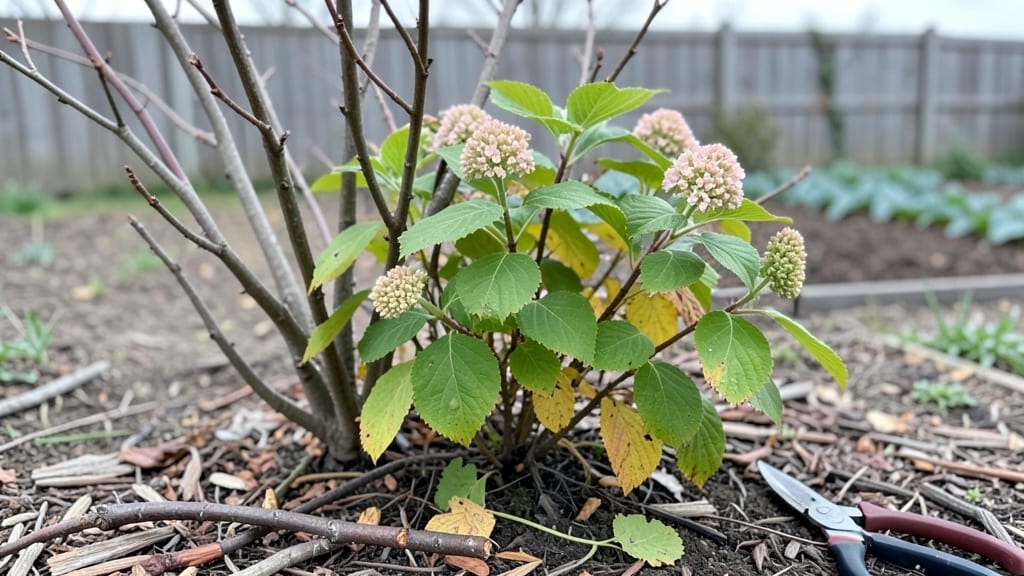
Pruning hydrangea trees transforms them from scraggly shrubs into showstopping bloomers—once you know the right moves. 🌿 I’ve turned my own neglected hydrangeas from sparse branches to lush, flower-covered canopies in just two seasons, and the secret lies in timing, technique, and a few sharp cuts.
The key isn’t just hacking away but understanding whether your hydrangea blooms on old wood, new wood, or both—which changes everything about when and how you prune.
Start with basic tools: clean pruners, sharp shears, and thick gloves (hydrangeas have thorns that pack a punch). You’ll also need a ladder or sturdy stool for taller varieties, and a spray bottle with rubbing alcohol to sterilize cuts between branches.
The goal is to shape without stressing the plant—think of it like giving your hydrangea a haircut that makes it look effortlessly polished, not like it just survived a hurricane.
📚 In This Guide
- What you need
- Instructions
- Tips and common mistakes
- Wrapping up and next steps
What you need
- ● Pruning shears or secateurs: Sharp, clean, and bypass-style (for clean cuts). Size: 6–8 inches (for medium-sized branches). Quantity: 1 pair.
- ● Loppers: For thicker branches (1–2 inches in diameter). Quantity: 1 pair.
- ● Hand pruners (for fine-tuning): Smaller, precise cuts. Quantity: 1 pair.
- ● Gloves: Heavy-duty, gardening-grade (to protect from thorns and sap). Quantity: 1 pair.
- ● Disinfectant (rubbing alcohol or bleach solution): To sterilize tools between cuts and prevent disease spread.
- ● Heavy-duty trash bags: For collecting pruned branches. Quantity: 2–3 bags.
- ○ Safety glasses: Optional but highly recommended if branches are large or thorny.
- ● Pruning saw: For very thick branches (3+ inches). Quantity: 1 (if needed).
- ● Ladder or step stool: For reaching higher branches safely.
- ● Marking twine or flags: To tag branches for future reference (e.g., "keep" vs. "remove").
- ● Plant food or fertilizer: To nourish the hydrangea post-pruning (apply after cutting).
- ● Mulch: To protect the base of the tree after pruning.
Step-by-step instructions for pruning hydrangea trees
Here’s the precise, seasonal approach I use to keep my hydrangeas thriving and blooming abundantly year after year.
✂️ Step 1: Identify Your Hydrangea Type and Bloom Time
Hydrangeas bloom on old wood, new wood, or both, and pruning at the wrong time can mean no flowers. Bigleaf hydrangeas (like 'Endless Summer') bloom on new wood—wait until late winter or early spring before buds swell. Oakleaf hydrangeas also bloom on new wood, but panicle and smooth hydrangeas (like 'Limelight') bloom on old wood, so prune right after flowering in summer or early fall.
Examine your tree’s growth: old wood stems are thick, woody, and last multiple seasons, while new wood stems are slender and emerge from the base each spring. If you’re unsure, observe when your hydrangea blooms—if flowers appear on last year’s growth, prune after blooming; if they’re on current season’s stems, prune in late winter.
✂️ Step 2: Prune for Shape and Airflow in Late Winter (New-Wood Bloomers)
For bigleaf and oakleaf hydrangeas, prune in late February or early March before new growth begins. Start by removing dead, diseased, or crossing branches—these compete for energy and block airflow, inviting fungal issues. Cut back to the nearest outward-facing bud or branch collar (the swollen area where the branch meets the trunk) using clean, sharp pruners.
Next, thin the canopy by selectively removing 20-30% of the oldest stems at ground level. This encourages stronger new growth and prevents overcrowding. Avoid cutting back more than one-third of the plant’s height in a single season—hydrangeas recover slowly from severe pruning. Step back frequently to check balance; your goal is an open, vase-like shape that lets sunlight penetrate to the center.
✂️ Step 3: Deadhead and Lightly Trim After Summer Blooming (Old-Wood Bloomers)
For panicle and smooth hydrangeas, prune immediately after flowers fade in summer or early fall. Remove spent blooms by cutting the stem just above the first set of healthy leaves or buds below the flower head. This redirects energy to next year’s flowers instead of seed production. Use bypass pruners for clean cuts—dull blades tear stems and invite disease.
Lightly shape the tree by trimming back overgrown branches to maintain its natural form. Avoid heavy pruning now—old-wood bloomers set next year’s buds in late summer, so aggressive cuts risk removing potential flowers. If a branch is damaged or weak, remove it entirely at the collar. Water deeply after pruning to help the tree recover.
⏰ Step 4: Clean Up and Protect for Winter (Year-Round)
After pruning, sterilize your tools with rubbing alcohol to prevent spreading disease. Rake up and dispose of all pruned material—never compost hydrangea clippings, as fungal spores can survive and reinfect the plant. For new-wood bloomers, apply a 2-3 inch layer of mulch around the base (but not touching the trunk) to insulate roots and retain moisture.
If your hydrangea is in a windy or exposed location, consider wrapping young trees with burlap in late fall to protect tender new growth. In cold climates, add a light frost cloth over the canopy in extreme freezes. Hydrangeas are hardy, but young trees or newly pruned branches benefit from this extra care—think of it as a cozy blanket for their recovery period.
☀️ Step 5: Monitor and Adjust Through the Growing Season
Check your hydrangea monthly for signs of stress: yellowing leaves may indicate overwatering or poor drainage, while drooping blooms suggest underwatering. If new growth appears leggy or sparse, it’s a sign of too much shade—hydrangeas need at least 4-6 hours of sunlight daily for optimal blooming. If needed, thin nearby plants or relocate the tree to a sunnier spot.
Fertilize in early spring with a balanced, slow-release fertilizer (like 10-10-10) to support new growth. Avoid high-nitrogen fertilizers—they promote leafy growth at the expense of flowers. Water deeply once a week (or more in extreme heat), ensuring the top 6 inches of soil stay moist but not soggy. Hydrangeas are drought-tolerant once established, but consistent moisture keeps blooms vibrant and stems sturdy.
Tips & tricks for pruning hydrangea trees
These seasoned strategies will help you transform your hydrangea pruning from a guess into a precise, rewarding process that guarantees abundant blooms year after year.
Timing is Everything: The late February to early March window for new-wood bloomers is critical because it allows the plant to establish new growth before summer heat arrives. I've seen too many gardeners rush this step and end up with sparse blooms—wait until you see those fat, swollen buds forming. For old-wood bloomers, that "right after flowering" timing is equally precise; I always mark my calendar for when my panicle hydrangeas finish blooming in early summer.
The 20-30% Rule for Canopy Thinning: When you're removing those oldest stems in Step 2, think of it like giving your hydrangea a spa day—you're not just cutting back, you're creating space for new growth. The 20-30% guideline prevents over-pruning, which can stress the plant. I learned this the hard way after accidentally removing too much from my oakleaf hydrangea and watching it struggle to recover. Remember, hydrangeas are slow to bounce back from aggressive pruning.
Branch Collar Precision: Cutting back to the branch collar—the swollen area where the branch meets the trunk—isn't just about appearance. This technique prevents unsightly stubs and promotes faster healing. I always use my thumb to locate that collar before making my cut. For thicker branches, I make a small undercut first to prevent tearing. And never leave a stub—it's an open invitation for disease to enter the plant.
Seasonal Protection Strategy: That 2-3 inch layer of mulch around new-wood bloomers isn't just decorative—it's insulation for the roots. I've found that mulching right after pruning helps maintain consistent soil temperatures, which is especially important in climates with temperature swings. For young trees or newly pruned branches, that frost cloth in extreme freezes can make all the difference between thriving and struggling through winter.
Pro Tips for Prune Hydrangea Tree
- These seasoned strategies will help you transform your hydrangea pruning from a guess into a precise, rewarding process that guarantees abundant blooms year after year.
- Timing is Everything: The late February to early March window for new-wood bloomers is critical because it allows the plant to establish new growth before summer heat arrives.
- The 20-30% Rule for Canopy Thinning: When you're removing those oldest stems in Step 2, think of it like giving your hydrangea a spa day—you're not just cutting back, you're creating space for new growth.
Frequently asked questions
Got questions about pruning your hydrangea tree? You’re not alone!
Here are answers to the most common concerns—so you can confidently trim for stunning blooms all season long.
When is the best time to prune a hydrangea tree?
The ideal window depends on your hydrangea type:
- Bigleaf & Oakleaf hydrangeas: Prune in late winter or early spring (before buds swell) to avoid cutting off next year’s blooms.
- Panicle & Smooth hydrangeas: Prune in late winter or early spring—they bloom on new wood, so timing is flexible.
How do I know if I’m pruning too much or too little?
Over-pruning (cutting back more than 1/3 of the plant) can stunt growth or reduce blooms. Signs you’ve gone too far:
- Sparse foliage or no new growth in spring.
- Blooms appearing smaller or fewer than usual.
What should I do if my hydrangea isn’t blooming after pruning?
No blooms? Check these fixes:
- Bigleaf/Oakleaf: You likely pruned old wood (where flowers form). Next time, only trim back to the first set of buds or leave last year’s stems.
- Panicle/Smooth: Needs more sunlight or fertilizer. Try a balanced 10-10-10 formula in spring.
- Both types: Ensure it gets 6+ hours of sun and well-draining soil.
Can I prune hydrangeas in summer or fall?
Yes, but with caution:
- Summer pruning: Light trimming (e.g., shaping or removing spent blooms) is fine. Avoid heavy cuts—it stresses the plant before winter.
- Fall pruning: Only prune dead or diseased branches. Never prune in late fall (near frost)—it encourages tender new growth that won’t survive.
What’s the difference between pruning a hydrangea bush vs. a hydrangea tree?
Hydrangea trees (like Panicle or Smooth varieties) are pruned the same way as bushes, but with one key difference:
- Shape focus: Trees need structural pruning to maintain a single trunk or central leader. Remove suckers (shoots at the base) to keep the tree form.
- Height control: Trim top branches to encourage upward growth, but avoid heading cuts (cutting back to a bud)—they create weak, leggy growth.
Wrapping up and next steps
Pruning your hydrangea tree doesn’t have to be intimidating—with the right timing, tools, and techniques, you’ll unlock bigger, healthier blooms and a stunning shape year after year! 🌸 Whether you’re tackling dead wood in winter or shaping growth in spring, remember: patience and precision are your best friends.
Now that you’re armed with the know-how, grab those shears and give your hydrangea the TLC it deserves.
Ready to see the results? Monitor your plant’s progress over the next few months and adjust as needed—your hydrangea will thank you with showstopping blooms! For extra inspiration, explore hydrangea care guides or join gardening forums to share your pruning triumphs. Happy gardening! 🌿✨