
How To
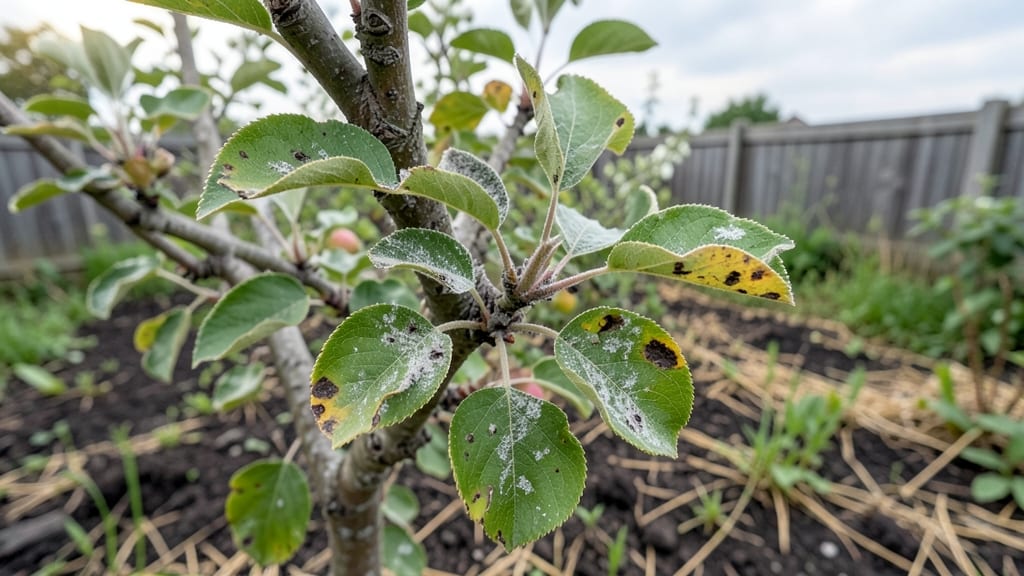
Removing tree fungus doesn’t have to mean harsh chemicals or waiting weeks for results. I’ve seen black spots disappear within 24 hours using a simple, natural spray that cuts off spores at the source—no arborist needed.
The key is acting fast when you spot those telltale powdery patches or slimy cankers, before the fungus spreads deeper into the bark.
Most fungal issues start with moisture—whether from rain, overhead watering, or poor airflow. My go-to spray combines neem oil, baking soda, and a drop of dish soap (the kind that cuts grease) to smother spores without harming bees or soil.
You’ll need 1 tablespoon of each mixed with a gallon of water, plus a sprayer for even coverage. The soap breaks down the waxy fungal walls, while neem oil disrupts their growth cycle.
After spraying, watch for new growth in 7–10 days—fresh leaves should emerge without those ugly blemishes. The best part? This works on powdery mildew, anthracnose, and even early-stage root rot when applied to the soil line.
For stubborn cases, repeat every 5–7 days until the tree looks clean. Prevention is easier: water at the base, avoid mulch piles against the trunk, and prune for airflow.
When in doubt, check the bark for cracks or oozing sap—those mean the fungus has moved beyond surface treatment. That’s when you call an arborist, but for 90% of backyard cases, this spray does the trick. Your tree’s health starts with a quick spray and a little patience.
Underlying Causes Of Tree Fungus
Tree fungus isn’t just a random nuisance—it thrives because of specific conditions that create the perfect breeding ground for spores. Understanding these root causes helps you prevent outbreaks and treat existing infections effectively. Below, we break down the key factors that turn your healthy trees into fungus magnets.
Fungi love water—it’s their lifeline. When trees sit in soggy soil or receive prolonged moisture (like from overwatering or poor drainage), spores germinate and spread rapidly. Here’s why it’s a problem:
- Waterlogged roots: Oxygen-starved roots weaken, making trees vulnerable to fungal pathogens like Armillaria root rot or Phytophthora. These fungi thrive in anaerobic (low-oxygen) conditions.
- Fungal spore germination: Many tree fungi (e.g., Valsa canker) release spores in damp conditions. A single heavy rain can turn a few spores into a full-blown infection within days.
- Mulch & bark buildup: Thick mulch or bark against the trunk traps moisture, creating a humid microclimate ideal for canker fungi or honey fungus.
Actionable fix: Improve soil drainage with organic matter (compost or sand) and avoid over-mulching near the trunk.
Healthy trees naturally resist fungus, but stress opens the door for infections. Common stressors include:
| Stress Factor | How It Helps Fungus |
|---|---|
| 🍃 Nutrient deficiencies | Lack of nitrogen, phosphorus, or potassium weakens cell walls, making trees easier targets for rust fungi or powdery mildew. |
| 🌡️ Extreme temperatures | Freeze-thaw cycles crack bark, while heat stress (e.g., drought) reduces sap flow, allowing fungi like Nectria canker to invade. |
| 🪓 Physical damage | Pruning wounds, storm breaks, or insect bites create entry points for Hypoxylon canker or cytospora. |
| 🐛 Pest infestations | Boring insects (e.g., bark beetles) leave tunnels that introduce Ophiostoma fungi, causing Dutch elm disease. |
Actionable fix: Prune properly (use sterilized tools!), fertilize with balanced nutrients, and monitor for pests early.
Fungal spores are tiny but tenacious. They hitchhike on pruners, shoes, or even wind from infected trees or plants. Common culprits:
- Pruning tools: Unsterilized shears can transfer canker or anthracnose spores between trees.
- Nearby infected plants: Lawn fungi like Rhizoctonia or Fusarium can jump to tree roots if they’re too close.
- Wind & rain splash: Spores from fallen leaves or nearby trees land on healthy bark, starting new infections.
Actionable fix: Sterilize tools with 70% rubbing alcohol between cuts, and remove fallen leaves/debris promptly.
Trees packed too closely together create a fungus-friendly greenhouse effect. Stagnant, humid air slows evaporation, keeping moisture trapped on leaves and bark. This is a major trigger for:
- Powdery mildew (white fungal growth on leaves).
- Leaf spot diseases (e.g., Septoria or Cercospora).
- Root rot from excess humidity at the soil level.
Actionable fix: Thin out overcrowded plantings, space trees 8–10 feet apart, and prune to improve airflow.
💡 Pro Tip: Most fungal infections start small—check your trees regularly for discolored leaves, oozing cankers, or unusual growths. Early detection = easier treatment!
Fixing Fungal Tree Problems
Now that you understand why tree fungus takes hold, it’s time to tackle it head-on. The good news? Most fungal issues can be resolved with targeted treatments—whether you’re dealing with powdery mildew, root rot, or unsightly trunk stains.
Below, we’ve mapped out practical, step-by-step solutions for common causes, along with prevention tips to keep your trees healthy long-term.
Cause: Fungal spores thrive in humid, shaded conditions, often appearing as white, powdery patches on foliage.
How to Fix It:
- 🌿 Prune for Airflow Trim overgrown branches to improve sunlight and airflow around the tree. Fungus loves damp, stagnant air—so keep the canopy open! Use sterilized pruners (wipe with rubbing alcohol) to avoid spreading spores.
- 💦 Apply a Natural Fungicide Spray Mix 1 tsp baking soda + 1 quart water + a few drops of dish soap (as a surfactant). Spray both sides of leaves in the early morning or evening (avoid direct sunlight). Reapply every 7–10 days until the mildew disappears.
- 🌱 Boost Tree Health Fertilize with compost or a balanced organic fertilizer (10-10-10) to strengthen the tree’s defenses. Weak trees are fungus magnets!
💡 Prevention Tip: Install drip irrigation instead of overhead sprinklers to keep leaves dry. If your tree is prone to mildew, consider resistant varieties like honey locust or ginkgo.
Cause: Overwatering, poor drainage, or compacted soil creates anaerobic conditions, inviting Phytophthora or Armillaria fungi to attack roots.
How to Fix It:
- 💧 Adjust Watering Habits Let the top 2–3 inches of soil dry out between waterings. If your tree is in a container, ensure pots have drainage holes. For ground-planted trees, consider a soil moisture meter to avoid guesswork.
- 🔄 Improve Soil Drainage Dig a 12-inch-deep trench around the tree (but not too close to the trunk) and fill it with gravel or coarse sand. This encourages water to drain away from roots.
- 🌿 Fungal Treatment for Roots - For early-stage rot: Apply hydrogen peroxide (3%) to the soil (1 part H₂O₂ to 10 parts water).
Water the root zone monthly to inhibit fungal growth. - For severe cases: Consult an arborist for systemic fungicides like phosphite-based treatments (e.g., Subdue or Aliette).
💡 Prevention Tip: Plant trees in well-draining soil and avoid mulching too close to the trunk (keep mulch 3–6 inches away to prevent moisture buildup).
Cause: Sap-sucking insects (like scale or aphids) leave behind honeydew, which feeds sooty mold—a black, velvety fungus that coats bark and branches.
How to Fix It:
- 🐞 Eliminate the Pest Source Spray the tree with neem oil (1 tbsp per gallon of water) or insecticidal soap to kill aphids/scale. Reapply every 5–7 days until pests are gone.
- 🧼 Clean the Tree Gently scrub the trunk and branches with a soft brush dipped in a mix of water and mild dish soap. Avoid harsh chemicals—they can damage bark.
- 🌿 Prevent Reinfestation Introduce beneficial insects like ladybugs or lacewings to control pests naturally. For severe cases, use systemic insecticides (e.g., imidacloprid) as a last resort.
💡 Prevention Tip: Regularly inspect trees for early signs of pests. A strong, healthy tree (with proper fertilization) is less attractive to sap-suckers!
Cause: Fungal spores (e.g., Anthracnose or Septoria) create brown spots with yellow halos, often appearing in wet springs.
How to Fix It:
- 🗑️ Remove Infected Leaves Rake up and dispose of fallen leaves (do not compost them). Burn or bag them to prevent spore spread.
- 🌿 Copper Fungicide Spray Use an organic copper fungicide (like Bordeaux mixture) and spray every 2 weeks during rainy seasons. Follow label instructions—copper can be toxic to plants if overused.
- 🌱 Strengthen the Tree Apply potassium-rich fertilizer (like kelp meal) to help the tree recover. Avoid nitrogen-heavy fertilizers—they promote soft, fungus-prone growth.
💡 Prevention Tip: Space trees at least 6–8 feet apart to reduce humidity in the canopy. If leaf spot is recurrent, consider fungus-resistant tree species like serviceberry or dogwood.
Want to stop fungus before it starts?
Follow these year-round tips: ✅ Mulch correctly – Use 3–4 inches of organic mulch (wood chips, straw) but keep it 6+ inches from the trunk. ✅ Water wisely – Deep watering (1–2 times per week) is better than daily shallow watering. ✅ Inspect regularly – Check for discoloration, wilting, or unusual growth every few weeks. ✅ Promote airflow – Thin out dense branches to reduce humidity in the tree’s canopy. ✅ Clean up debris – Remove fallen leaves, branches, and fruit (especially in autumn) to starve fungal spores.
Final Thought: Most tree fungus issues are manageable with early action—but the key is consistency. Combine natural remedies with good tree care habits, and your trees will stay strong, healthy, and fungus-free! 🌳✨
Frequently asked questions
How do I know if my tree has fungus instead of just normal wear?
Look for unusual growths like powdery white coatings (powdery mildew), black velvety patches (sooty mold), or oozing cankers on bark. Healthy trees have smooth bark and vibrant leaves—fungus often causes yellowing, wilting, or premature leaf drop. Check the undersides of leaves too, where many spores hide.
Can I use vinegar to kill tree fungus?
White vinegar (1 part vinegar to 1 part water) can help as a natural fungicide, but it’s best for leaf surfaces like powdery mildew. Avoid spraying bark directly—vinegar’s acidity can damage it. For stubborn cases, combine it with 1 tsp baking soda and spray in the early morning to prevent leaf burn.
How often should I spray my tree to prevent fungus?
For prevention, spray every 2–4 weeks during spring and fall (peak fungus seasons). If your tree is already infected, apply treatments weekly until symptoms disappear, then switch to monthly maintenance. Always spray in the evening to avoid burning leaves in direct sunlight.
Will pruning my tree help stop fungus?
Yes! Pruning improves airflow and removes infected branches, but do it correctly. Use sterilized tools (wipe with rubbing alcohol) and prune only in dry weather. Cut back dead or diseased branches first, then shape the tree. Avoid heavy pruning during wet seasons—it stresses the tree and invites more spores.
When should I call an arborist instead of DIY treatments?
Consult an expert if you see large cankers oozing sap, wilted branches despite treatment, or mushrooms growing at the base (signs of root rot). Arborists can diagnose deep-rooted issues like Armillaria or Phytophthora and prescribe systemic fungicides or soil treatments that DIY methods can’t match.