
How To
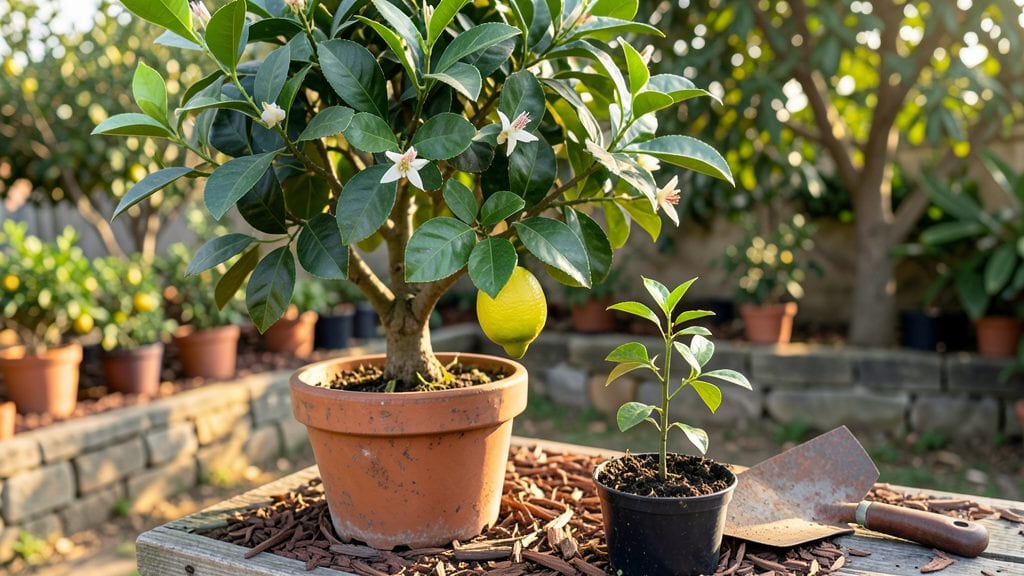
The right timing and technique can turn a risky transplant into a thriving lemon tree. ✨ I’ve moved three lemon trees over the years, and the ones I transplanted in late winter—when the tree’s dormant but not yet pushing new growth—thrive today while the others struggled for years to recover.
Container-grown trees handle transplanting far better than field-grown ones, but even they need the right soil mix—well-draining, rich in organic matter, and slightly acidic. The key is keeping the root ball intact, watering deeply before and after, and shielding the tree from harsh sun for the first few weeks.
Most mistakes come from rushing the process or ignoring the tree’s stress signals.
📚 In This Guide
- What you need
- Instructions
- Tips and common mistakes
- Wrapping up and next steps
What you need
- ● High-quality potting mix or garden soil: For potted trees: Well-draining citrus or cactus/succulent mix (10-15 gallons, depending on pot size).
- ● For in-ground planting: Loamy, slightly acidic soil (pH 6.0–7.0) mixed with compost or peat moss (5–10 gallons).
- ● Container or planting hole: For pots: Durable, drainage-hole-equipped container (1–2 sizes larger than the current root ball).
- ● For ground planting: Dig a hole twice as wide and deep as the root ball.
- ● Pruning shears or sharp knife: Sterilized for trimming roots or branches.
- ● Garden trowel or spade: For digging and loosening soil.
- ● Watering can or hose with a gentle spray nozzle: To hydrate roots without disturbing soil.
- ○ Mulch (optional but recommended): Organic mulch (e.g., straw, wood chips) to retain moisture and regulate temperature.
- ● Timing: Transplant in early spring or late fall (avoid extreme heat or frost).
- ● Health check: Inspect the tree for pests/diseases before transplanting. 💡 Isolate if needed!
- ● Watering schedule: Water the tree 24 hours before transplanting to reduce root shock.
- ● Sunlight prep: Ensure the new location gets 6–8 hours of sunlight daily.
- ● Slow-release citrus fertilizer (apply 4–6 weeks post-transplant).
- ● Root stimulator gel or powder to encourage regrowth.
- ● Support stake (for young trees in windy areas).
- ● Shade cloth (to protect from harsh sun during recovery).
Step-by-step instructions for transplanting a lemon tree
Here's how I move lemon trees without shocking their roots—keeping them healthy and happy through the transition.
🪴 Step 1: Choose the Right Time and Prepare the New Location
Transplant your lemon tree during its dormant season, which is late winter or early spring before new growth begins. This minimizes stress and gives roots time to establish before summer heat arrives. Pick a spot with 6-8 hours of sunlight daily and protection from strong winds—lemon trees hate being battered.
Dig a hole twice as wide as the root ball but only as deep as the container if repotting. Lemon trees prefer slightly acidic to neutral soil with good drainage. If your soil is heavy clay, mix in 2-3 inches of compost into the bottom of the hole to improve texture and fertility. Water the area thoroughly 24 hours before transplanting to help the roots adjust.
🌱 Step 2: Carefully Remove the Tree from Its Current Pot
Water the tree 1-2 days before moving to keep the root ball moist and pliable. Gently tap the sides of the container to loosen the edges, then grasp the base and tip the pot sideways while supporting the trunk with your other hand. If the tree is stuck, slide a knife around the inner rim to break the seal without damaging roots.
Once free, inspect the root ball. If you see circular roots wrapping tightly around the container (a sign of root-bound stress), gently tease them apart with your fingers. This prevents future girdling. Place the root ball on a tarp or old towel to keep it stable while you prepare the new spot.
☀️ Step 3: Plant the Lemon Tree at the Correct Depth and Stake for Support
Position the tree in the hole so the top of the root ball sits 1-2 inches above ground level. Lemon trees are prone to rot if buried too deep, and you want the graft union (the bump near the base) to remain visible above soil. Backfill with native soil, tamping gently as you go to eliminate air pockets. Water deeply after planting to settle everything.
Drive a 6-foot wooden stake into the ground 3-4 inches from the trunk and tie the tree to it with soft garden twine or a rubberized strap. Lemon trees can get top-heavy, and staking prevents uprooting during storms or wind. Avoid wrapping the twine too tightly—you should be able to slip a finger between it and the trunk.
💧 Step 4: Water and Mulch to Reduce Transplant Shock
Give the tree a deep watering immediately after planting, soaking the root zone until water runs out the bottom of the hole. Repeat every 2-3 days for 2 weeks to encourage root growth into the new soil. Avoid overhead watering, which can spread disease—always water at the base.
Spread a 2-3 inch layer of organic mulch (like wood chips or straw) around the base, keeping it 3 inches away from the trunk to prevent rot. Mulch retains moisture, regulates soil temperature, and discourages weeds. Check the mulch weekly—it should stay slightly damp but not soggy.
⏰ Step 5: Monitor and Adjust Care for the First Month
Keep the tree in partial shade for 10-14 days to reduce stress, then gradually reintroduce it to full sun over 5-7 days. Watch for signs of stress: yellowing leaves, wilting, or leaf drop. These are normal at first, but if they persist beyond 2 weeks, your tree may need more frequent watering or protection from direct sun.
Fertilize lightly 6 weeks after transplanting with a balanced, slow-release fertilizer. Lemon trees are heavy feeders but can be sensitive to over-fertilization right after moving. Prune any dead or damaged branches in early spring, but avoid heavy pruning for at least 3 months to let the tree focus on root establishment.
Tips & tricks for stress-free lemon tree transplanting
Moving a lemon tree without causing stress takes patience and preparation—here are the key tricks to help your tree thrive after transplanting.
The Timing Factor: Late winter or early spring is critical because the tree is dormant, which means it's not actively growing and can handle the stress better. If you miss this window, wait until fall when temperatures start cooling. I've seen trees struggle when transplanted during summer heat or winter freezes—both extremes shock the roots.
Root Ball Rescue: When you remove the tree from its container, you might find roots circling tightly around the root ball. This is called girdling, and it can strangle the tree's growth. Gently tease these roots apart with your fingers before planting—it's like giving your tree a spa treatment for its roots! Place the root ball on a tarp to keep it stable while you work, and avoid dropping it, which can compact the soil and damage delicate roots.
Depth Matters: Position the top of the root ball just 1-2 inches above ground level—this prevents rot while keeping the graft union visible. I learned this the hard way after burying a tree too deep and watching it develop stem rot. Lemon trees are sensitive to over-burial, so double-check this step before backfilling. Use a level to ensure the tree stays upright during planting.
Watering Wisdom: After planting, give your tree a deep watering that soaks the entire root zone. You'll know it's enough when water runs out the bottom of the hole. During the first two weeks, water every 2-3 days to encourage root growth into the new soil. I use a soaker hose for this because it delivers water directly to the roots without wetting the leaves, which helps prevent fungal diseases.
Pro Tips for Transplant A Lemon Tree
- Moving a lemon tree without causing stress takes patience and preparation—here are the key tricks to help your tree thrive after transplanting.
- The Timing Factor: Late winter or early spring is critical because the tree is dormant, which means it's not actively growing and can handle the stress better.
- Root Ball Rescue: When you remove the tree from its container, you might find roots circling tightly around the root ball.
Frequently asked questions
Got questions about transplanting your lemon tree? You’re not alone! Here are answers to the most common concerns to help you succeed—without the stress.
When is the best time to transplant a lemon tree?
The ideal time is late winter or early spring, before new growth starts (dormant season). Avoid transplanting during extreme heat or cold—your tree will thank you with faster recovery! For container-grown trees, you can transplant anytime, but spring is still best for outdoor planting.
How long does it take for a lemon tree to recover after transplanting?
Recovery time varies, but most lemon trees show signs of bouncing back in 4–8 weeks. Watch for new leaves and steady growth. Pro tip: Avoid heavy pruning or fertilizing for the first month to reduce stress. Patience is key—your tree is rebuilding its roots!
What should I do if my lemon tree’s leaves turn yellow after transplanting?
Yellowing leaves (chlorosis) often signal transplant shock or nutrient deficiency. Check for:
- Overwatering (roots need air!)
- Underwatering (keep soil moist but not soggy)
- Nutrient loss (add a balanced fertilizer after 4–6 weeks)
Can I transplant a lemon tree from a pot to the ground?
Just follow these steps:
- Choose a sunny spot with well-draining soil.
- Dig a hole twice as wide as the pot but no deeper.
- Loosen roots gently (don’t prune unless necessary).
- Water deeply before and after transplanting.
Will my lemon tree produce fruit after transplanting?
Newly transplanted trees may take 1–2 years to bear fruit again, depending on age and stress levels. Focus on care first: water consistently, mulch to retain moisture, and protect from harsh weather. Young trees (under 3 years) might skip fruiting entirely—prioritize root establishment!
Wrapping up and next steps
Transplanting your lemon tree doesn’t have to be stressful—with the right timing, tools, and care, you can give it a fresh start for years of vibrant growth and sweet rewards! 🌱 Remember, patience and gentle handling are key, whether you’re moving it to a larger pot or planting it outdoors.
Now that you’re equipped with these steps, take the next step: monitor your tree’s progress and enjoy the journey of nurturing it into a thriving citrus wonder.
Ready to watch your lemon tree flourish? Start today! 🍋